Innovative Dome on Wiltshire Landfill to Produce British Avocados Year-Round
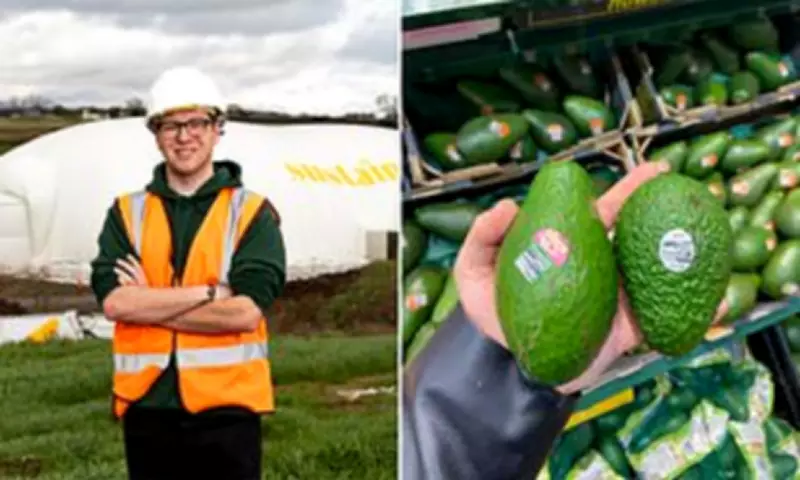
In a groundbreaking development for sustainable agriculture, eco-farmers have revealed ambitious plans to cultivate British avocados on a rubbish dump throughout the entire year. A substantial dome has been erected at a landfill site in Wiltshire, designed to harness gases generated from decomposing waste to foster the growth of fruit and vegetables.
Harnessing Waste for Year-Round Food Production
The methane produced from rubbish at the location near Royal Wootton Bassett is already utilised to generate electricity, with carbon dioxide emerging as a by-product of this process. This electricity will be channelled into the dome to power essential systems such as heating, ultraviolet lighting, and fans required for cultivating avocados and various exotic fruits. Simultaneously, the carbon dioxide will be employed to enhance plant growth through photosynthesis, creating a closed-loop system.
This pioneering technology has been developed by CIC Sustain Wiltshire, who are confident it will enable continuous food cultivation regardless of seasonal constraints. The company asserts that this innovation will even permit the growth of avocados, which are not typically suited to the UK climate, during the harshest British winters.

Scale and Impact of the Project
The dome itself measures an impressive 20 metres by 40 metres, standing 9 metres tall, and has the capacity to yield up to 10 tonnes of fruit and vegetables. These produce will be distributed directly to local families, promoting community access to fresh, locally grown food.
Sustain Wiltshire anticipates that their locally cultivated food will be priced more competitively than offerings from major supermarkets. Sales will be conducted via a dedicated mobile application, with any food waste subsequently collected and returned to the site to be reintegrated into the production cycle, further enhancing sustainability.
Vision for Global Transformation
Nick Ash, Project Director for Sustain Wiltshire and Crapper and Sons Landfill Ltd, emphasised the transformative potential of this technology if implemented on a global scale. He stated, "This is a huge day for Sustain Wiltshire, for our local community, for the environment, and for the waste sector." Ash elaborated that this single site alone could produce over 8,000 tonnes of affordable fruit and vegetables annually, create 130 new jobs, and prevent the release of 3,800 tonnes of CO2 each year.
He further highlighted, "Combined with plans to capture polymers from landfill plastic that cannot yet be recycled, we believe our Super-Midden solution has the potential to transform the future of landfill internationally, turning it into one of the most climate friendly methods of waste treatment."
Addressing Current Supply Challenges
The announcement of British-grown avocados arrives amidst recent shortages of fruit and vegetables in supermarkets, attributed to torrential rainfall across continental Europe. Strawberry crops have been particularly affected, with noticeable gaps on shelves at major retailers including Tesco, Lidl, Sainsbury's, and Asda, according to Assosia data.
Raspberry shortages have also been reported at Morrisons and Lidl, alongside reduced availability of avocados and peppers in stores, as analysed by The Grocer. These supply issues stem from an exceptionally wet start to the year in key producing regions such as Spain and Morocco, which supply significant quantities of fresh produce to the UK during this period.
Supply constraints have been exacerbated by extreme downpours in Britain, with domestic growers contending with saturated soil and extensive flooding in recent weeks. Abel & Cole noted that low light levels are further impacting production, resulting in smaller-than-expected crops of purple sprouting broccoli, January King cabbages, and bok choy.
Caroline Dodds, fresh produce and quality control buying manager at the UK firm, indicated that Spanish oranges and clementines would also conclude their season earlier this year due to the adverse weather. A spokesperson for the UK Fresh Produce Consortium cautioned, "Shoppers may see price increases as the market adjusts to limited supply. We urge consumers to be aware, but panic buying will only make matters worse."

This innovative approach in Wiltshire not only offers a sustainable solution to food production but also presents a potential buffer against such supply chain vulnerabilities, marking a significant step forward in resilient and eco-friendly agriculture.