Major Renovation Project Forces Extended Closure at Big Bend National Park
A significant portion of Big Bend National Park in West Texas will be inaccessible to visitors for an extended period as authorities prepare for substantial construction work. The National Park Service has announced that the popular Chisos Basin area will close for approximately two years, with work scheduled to commence on May 1, 2026.
Dual Construction Projects Target Aging Infrastructure
The comprehensive renovation involves two major initiatives that will transform the visitor experience at one of Texas's most iconic natural destinations. The first project focuses on replacing the deteriorating Chisos Mountains Lodge, originally constructed in 1964. The current structure has suffered extensive damage due to foundation movement on unstable clay soils, affecting walls, roofing, windows, and essential systems.
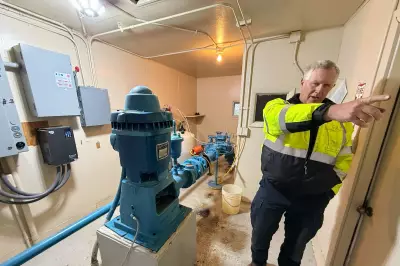
Simultaneously, crews will undertake a complete overhaul of the area's water infrastructure, which dates back to the 1950s and requires modernization to meet contemporary standards and visitor demands.

Complete Basin Closure During Construction Phase
Park officials have confirmed that when construction begins, the Chisos Basin Road will be closed at the base of the hill, effectively cutting off all visitor access to the developed area. This closure encompasses the park store, restaurant, lodge, visitor center, and campground facilities.
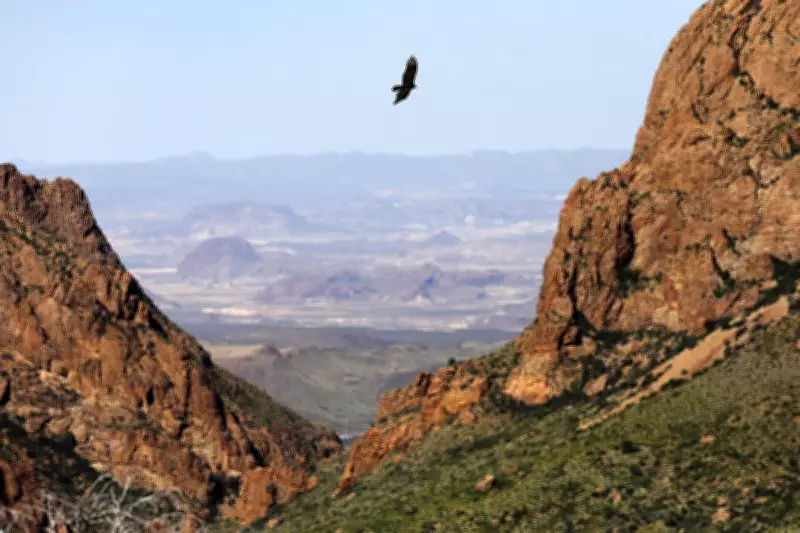
The basin, renowned for its spectacular desert vista known as "The Window," is typically reached via a single access road that will remain blocked throughout the construction period. This decision has generated controversy among some park advocates who believe alternative arrangements could maintain partial access.
Extensive Park Areas Remain Accessible
Despite the basin closure, the vast majority of the 801,163-acre park along the Rio Grande River will remain open to visitors. Park service representatives emphasize that hundreds of miles of scenic drives, both paved and unpaved, will continue to be available alongside developed and primitive campsites.
Additionally, river access points and over 150 miles of hiking trails will remain operational, ensuring that the park's natural beauty can still be experienced throughout the construction timeline.
Funding and Timeline Details
The ambitious renovation project receives substantial financial backing from the 2020 Great American Outdoors Act, with $22.63 million allocated to support the improvements. Originally slated to begin in May 2025, the project experienced delays before the current May 2026 start date was established.
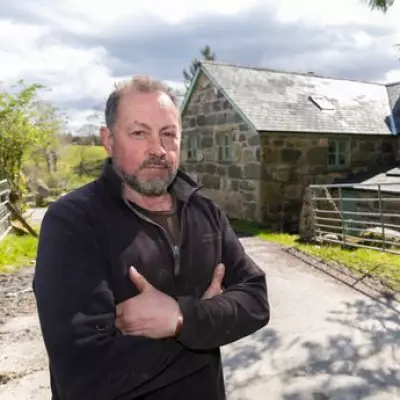
Rick LoBello, former Big Bend ranger and executive director of the Big Bend Natural History Association, has voiced concerns about the complete closure approach. "I really believe you can stage the traffic," he told Texas Monthly. "And if you don't want people around the construction site, you put up a fence."
Community Response and Visitor Impact
An online petition initiated by LoBello has gathered over 900 signatures protesting the closure decision, arguing it "risks depriving visitors of one of the park's most iconic sites." The petition highlights the significant visitor numbers affected, with the park attracting more than 52,000 visitors in January 2026 alone, approximately 4,000 of whom utilized lodging or campground facilities.
The renovation controversy unfolds against the backdrop of broader discussions about border infrastructure in the region. The Trump administration previously proposed constructing a new segment of border wall through the park, which shares 118 miles of border with Mexico along the Rio Grande River.
This proposal generated substantial opposition, leading U.S. Customs and Border Patrol to remove the wall from online maps outlining border infrastructure plans. A group of area sheriffs reinforced this position in a joint statement, noting that "based on decades of combined experience working this terrain, we believe the construction of a continuous physical border wall in the Big Bend region would not represent the most practical or strategic approach to border security in this area."