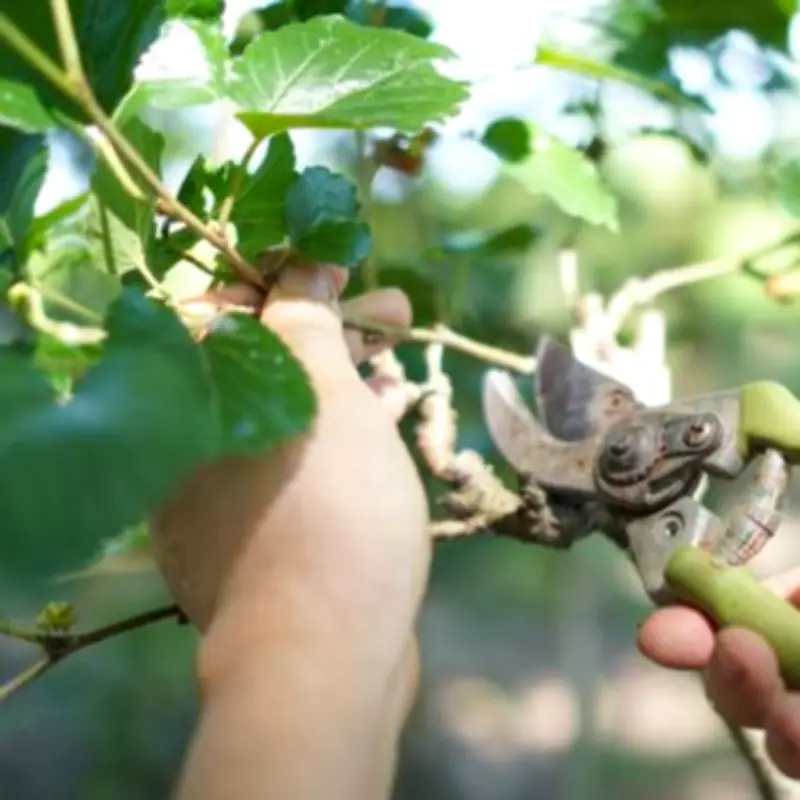
Four Garden Plants to Avoid Pruning in March to Ensure Summer Blooms
Pruning garden plants is a crucial practice for maintaining their health and enhancing their aesthetic appeal. This process involves removing dead, diseased, or dying branches and stems to encourage fresh growth and vitality. However, performing this task at the incorrect time of year can lead to disappointing results, such as a lack of flowers during the summer months. As spring approaches, it is essential to know which plants should not be pruned in March to avoid compromising their blooming potential.
Honeysuckle
Honeysuckle is renowned for its delightful fragrance and distinctive blossoms, but pruning it in March is strongly discouraged. Both climbing and bush varieties of honeysuckle should not be trimmed during this month, as doing so risks cutting off the buds that would have developed into flowers in the upcoming season. For honeysuckle that blooms in spring or early summer, it is best to prune immediately after the flowers have faded. Conversely, if the plant flowers later in the summer, waiting until spring to perform any trimming is advisable to ensure optimal growth and flowering.
Maple Trees
While pruning maple trees in March generally does not cause severe harm to established specimens, it is not recommended due to the risk of sap bleeding. Maple trees produce a sweet sap that can attract various pests, making them more vulnerable to infestations and diseases. To prevent this issue, pruning should be carried out during the summer months when sap flow is reduced. If pruned in March, the leaking sap may stain the bark and create an environment conducive to pest problems and fungal infections, ultimately affecting the tree's health.

Azaleas
Azaleas require careful timing when it comes to pruning, as cutting them at the wrong time can result in no flowers the following season. These plants should only be pruned once their flowers have completely faded, which typically occurs in the summer. When trimming azaleas, it is crucial to use the right tools, such as sharp and clean secateurs, to prevent the spread of disease and ensure clean cuts that promote healthy regrowth. Proper technique and timing are key to maintaining their vibrant blooms.
Jasmine
Jasmine plants should be pruned immediately after they have finished flowering, which is usually in the autumn for many varieties. However, the timing can vary depending on the specific type of jasmine. For instance, jasmine that blooms in winter requires pruning in late winter or early spring to avoid disrupting its flowering cycle. Pruning jasmine in March can interfere with bud development and lead to a reduction in flowers during the summer, so it is important to adhere to the appropriate seasonal schedule for each variety.
In summary, understanding the specific pruning needs of garden plants is essential for a successful and floriferous summer. By avoiding pruning honeysuckle, maple trees, azaleas, and jasmine in March, gardeners can protect their plants' blooming potential and ensure a vibrant display of flowers throughout the warmer months.