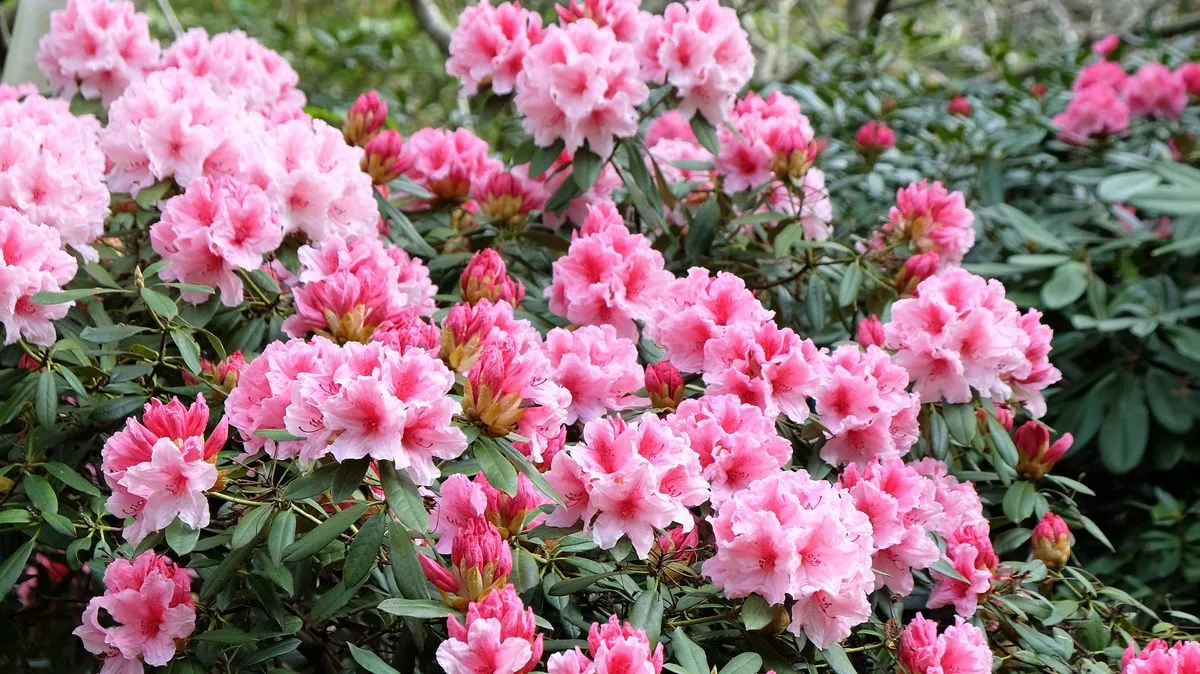
Avoid These 3 Simple Mistakes to Ensure Rhododendrons Bloom Beautifully This Spring
3 Mistakes That Stop Rhododendrons Blooming and How to Fix Them

Avoid These 3 Simple Mistakes to Ensure Rhododendrons Bloom Beautifully This Spring

Gardeners across the nation are eagerly anticipating the vibrant blooms of spring, but for those cultivating rhododendrons, a few common errors could mean missing out on these stunning flowers entirely. Rhododendrons are robust evergreen plants, yet many enthusiasts inadvertently hinder their flowering potential through simple missteps in care and maintenance.

Pruning at the Wrong Time Can Ruin Next Year's Blooms

One of the most widespread issues leading to flowerless rhododendrons is improper pruning. Gardening expert and TikTok creator Ish highlights that many gardeners prune too late in the season, inadvertently cutting away the buds set for the following year's growth. All buds begin forming in late autumn and early winter, ready to burst into bloom in the coming spring.

If your rhododendron already has buds, it is best to avoid pruning altogether. However, if tidying up is necessary, Ish advises waiting until after the buds have fully flowered. This simple adjustment can make a significant difference in ensuring a spectacular display of blooms.

Wide Pickt banner — collaborative shopping lists app for Telegram, phone mockup with grocery list

Soil Conditions: Acidity and Moisture Are Key

Another critical factor is the soil environment. Rhododendrons thrive in acidic soil, and using ericaceous compost is ideal for meeting this requirement. Ish recommends applying a generous layer of mulch or pine bark on top of the existing soil and watering it in to enhance acidity and moisture retention.

It is essential to ensure the ground does not become too dry, even after winter has passed. Maintaining proper soil conditions not only supports healthy growth but also encourages the development of abundant flowers.

Feeding: Choose Fertiliser Wisely to Avoid Leaf Overgrowth

When it comes to feeding rhododendrons, selecting the right fertiliser is crucial. Multipurpose feeds high in nitrogen should be avoided, as excessive nitrogen can cause flower buds to transform into leaves instead. Instead, opt for a fertiliser containing iron sulphate or a slow-releasing feed higher in potassium, such as tomato feed, just before the plant comes into flower.

Additionally, positioning plays a role in flowering success. Rhododendrons prefer partially shaded spots with some sunshine; too much shade can prevent them from blooming altogether.

Expert Guidance for Optimal Growth and Blooming

For those new to growing rhododendrons, resources like Gardeners' World offer valuable guidance. Typically, these plants are best planted between March and April or in autumn from September to December. Pruning in March can help prepare the plant for the flowering season, with blooms expected from mid-spring through summer, generally April to July.

By avoiding these common mistakes—pruning at the wrong time, neglecting soil acidity and moisture, and using inappropriate fertilisers—gardeners can look forward to a breathtaking display of rhododendron blooms this spring and beyond.

Pickt after-article banner — collaborative shopping lists app with family illustration