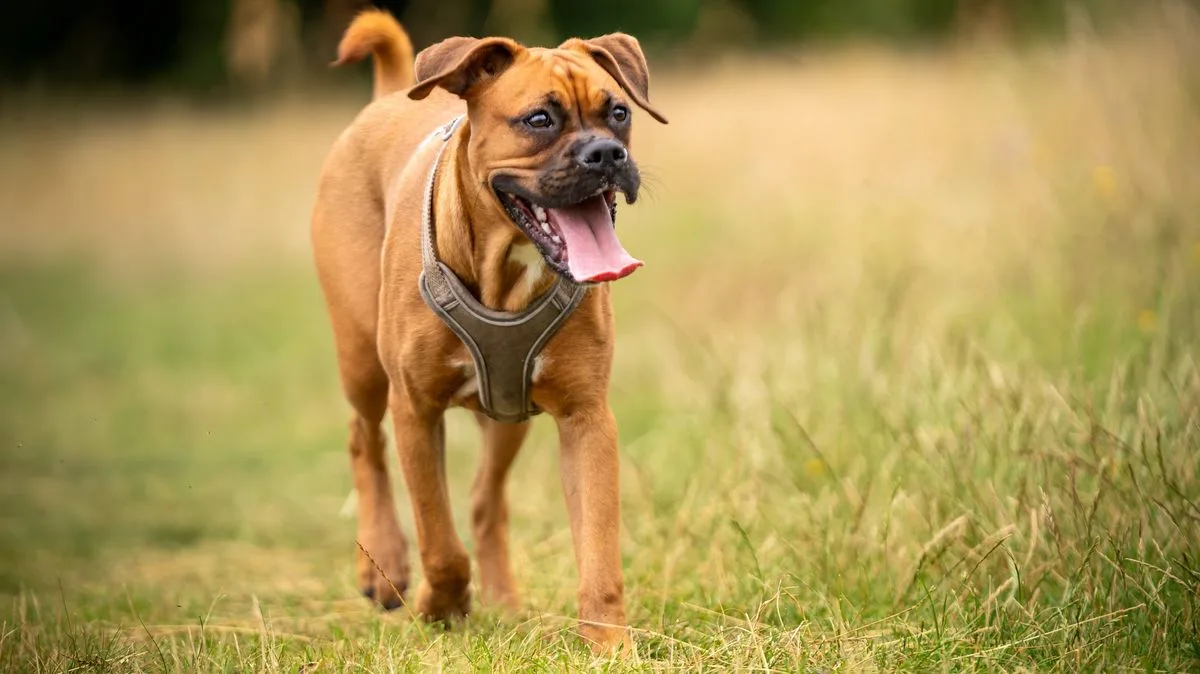
27 Working Dog Breeds That Demand Maximum Exercise and Longest Walks
Before selecting a dog based purely on appearance or falling for an adorable puppy, prospective owners must consider one crucial element: how much exercise the breed requires. Canines vary enormously in shape, size and energy requirements, with some flourishing with lengthy runs, daily rambles and endless playtime, while others are perfectly content with leisurely park walks.
The Exercise Demands of Working Dog Breeds
Larger breeds frequently demand more physical activity and extended walking sessions, making it essential to select a canine companion that aligns with your lifestyle. Dr Emma Scales-Theobald, a canine behaviourist and partner at Canine Cottages, reveals that one particular breed category requires substantially more exercise than others.
Despite the United Kingdom boasting 223 pedigree breeds, it's working dogs that need greater physical exertion due to their exceptional stamina and historical breeding purposes. The Kennel Club explains that working dogs comprise breeds developed for specific jobs including property guarding, search and rescue operations, and other demanding tasks. These dogs are typically intelligent, powerful, vigilant and highly attentive animals.
Well-known working dog breeds include Boxers, Dobermanns and Rottweilers, but the UK Kennel Club officially recognises 27 distinct working dog breeds in total, according to recent reports.
Complete List of Working Group Dog Breeds
The following 27 breeds are officially recognised by The Kennel Club as working dogs requiring substantial exercise:
- Akita
- Alaskan Malamute
- Anatolian Shepherd Dog
- Bernese Mountain Dog
- Boxer
- Bullmastiff
- Canadian Eskimo Dog
- Dobermann
- Dogue de Bordeaux
- Estrela Mountain Dog
- Great Dane
- Great Swiss Mountain Dog
- Greenland Dog
- Hovawart
- Leonberger
- Mastiff
- Neapolitan Mastiff
- Newfoundland
- Portuguese Water Dog
- Pyrenean Mountain Dog
- Rottweiler
- Russian Black Terrier
- Siberian Husky
- St Bernard
- Tibetan Mastiff
- Turkish Kangal Dog
- Yakutian Laika
Mastiffs are among the working dogs that require plenty of exercise and extended walking sessions to maintain their physical and mental wellbeing.
Essential Exercise Guidelines for All Dogs
Dr Scales-Theobald notes that most dogs generally benefit from 30 minutes to one hour of daily exercise, while elderly or injured dogs might require briefer, more gentle sessions. In warm weather conditions, all dogs should have reduced exercise periods, scheduled during the coolest times of day - typically early morning and evening hours.
Puppies require particular care as their joints are still developing. To safeguard their joint health, it's advisable to restrict their physical activity until they reach at least one year of age. The canine behaviourist emphasises that multiple factors including breed characteristics, age, weight, endurance levels, weather conditions, and the specific nature of activities should all be carefully considered when determining appropriate exercise duration for any dog.
Special Considerations for Senior Canines
Senior dogs, generally classified as those aged eight years and above, require careful exercise management to accommodate potential joint issues and other age-related ailments. These animals benefit from regular but gentle activity that maintains mobility without causing strain or discomfort.
Shannon Keary, Digital PR Manager at Canine Cottages, comments: "As we experience sunnier days arriving across the United Kingdom, many people are excited to continue their fitness routines in pleasant weather, and including our furry companions can provide excellent motivation and maintain activity levels. Emma's professional tips are crucial for dog owners, offering valuable guidance on appropriate steps to take and how to ensure canine safety during all exercise sessions."
Proper exercise planning is essential for all dog owners, particularly those considering working breeds with higher energy requirements. Understanding breed-specific needs, weather considerations, and life stage requirements ensures dogs receive appropriate physical activity while maintaining their health and wellbeing throughout their lives.