
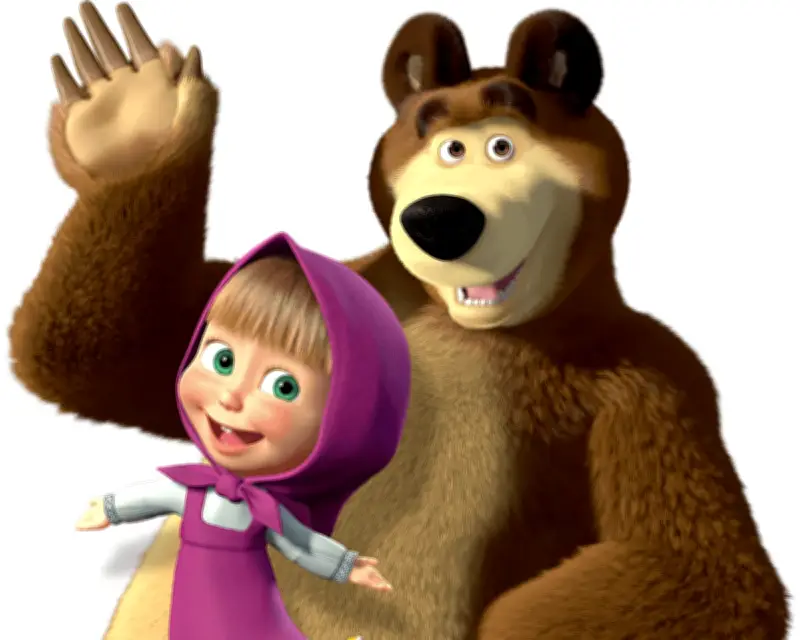
More than 50 UK MPs, led by Liberal Democrat Tom Gordon, have called for a ban on the children's cartoon Masha and the Bear, alleging it serves as Russian propaganda and contributes to the 'militarisation of children'. The show, a hit on Netflix and ITVX, follows a young girl and her bear companion in a forest, but critics point to Soviet-era military costumes as a flex of Russian 'soft power'.
A Century of Cartoon Propaganda
Cartoons as propaganda are not new. David Welch, emeritus professor of modern history at the University of Kent, notes that all belligerents in World War I used them. British animator Lancelot Speed drew caricatures of Kaiser Wilhelm II that were hugely popular. During World War II, Warner Brothers produced The Ducktators, depicting Hitler, Mussolini, and Tojo as ducks, while Disney's Oscar-winning Der Fuehrer's Face showed Donald Duck dreaming of Nazi Germany.
Racist caricatures were common; Bugs Bunny appeared in the now-banned Bugs Bunny Nips the Nips, using racial slurs. The Axis powers also produced propaganda: Fascist Italy's Il Dottor Churkill portrayed Winston Churchill as a monster, and Nazi-ordered Nimbus Libéré featured antisemitic caricatures bombing a family.
Cold War and CIA Funding
During the Cold War, propaganda shifted to ideological battles. Britain's first animated feature, Animal Farm (1954), was covertly funded by the CIA and altered George Orwell's ending to show animals successfully revolting against pigs, hinting at support for overthrowing communist governments.
Modern Propaganda and Slopaganda
With the rise of digital animation, individuals produced propagandistic cartoons. After 9/11, crude Flash animations mocked Osama bin Laden. The Islamic State created child-friendly animations. Far-right series Murdoch Murdoch used internet memes to spread Nazi ideology. In the Russo-Ukrainian war, both sides use cartoon counter-propaganda, according to researcher Kristián Földes. Recently, Iranian media used generative AI to create Lego Movie-style animations, a new form called 'slopaganda', which excels at communicating emotions over facts.
Földes notes that Masha and the Bear has symbolic elements, like the bear representing Russia, but only episodically exhibits propagandistic elements. Whether the show will be banned remains uncertain, but Michał Klincewicz, who coined 'slopaganda', believes cartoons will continue to deliver messages in familiar, less threatening forms.




