
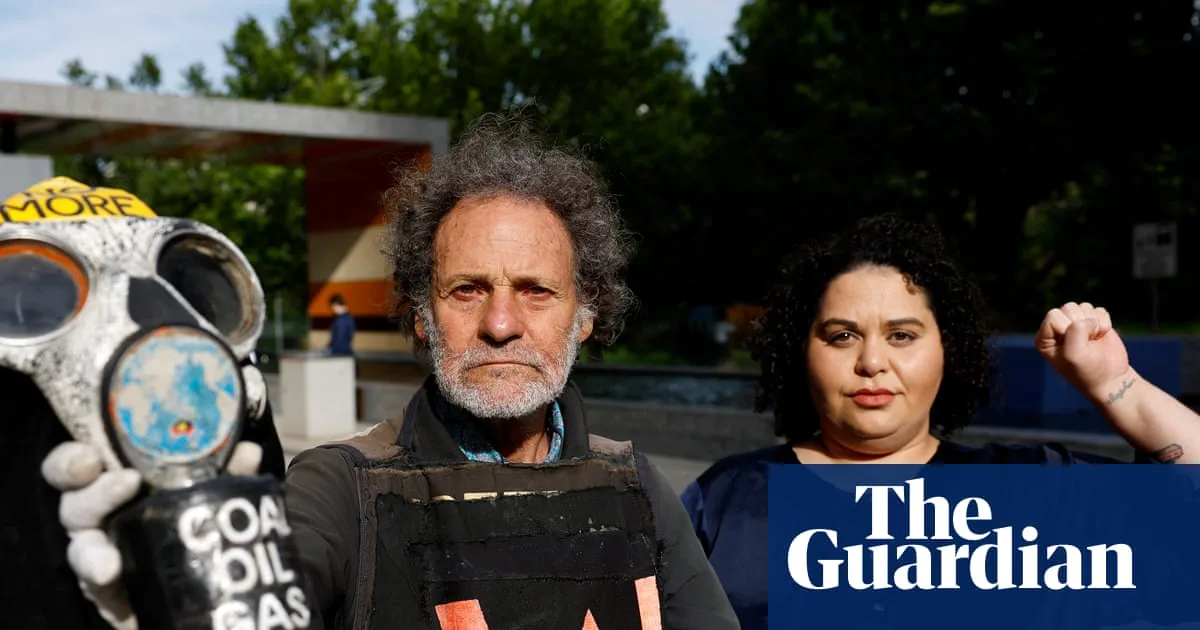
An organiser of Melbourne’s annual Invasion Day rally and an 80-year-old environmental activist known as ‘Greedozer’ are leading a federal court challenge against a Victoria police declaration that allows stop-and-search powers in the CBD for six months.
The Human Rights Law Centre filed the challenge on Monday on behalf of Tarneen Onus Browne and Benny Zable. They argue the declaration, which covers the CBD, Docklands, Southbank and other areas from 30 November 2025 to 29 May 2026, is not necessary to address weapons offences and breaches the Victorian Charter of Human Rights and Responsibilities.
The powers allow police and protective services officers to stop and search anyone without a warrant or reasonable grounds, including requiring removal of face coverings and ordering people to move on if they refuse. The challenge claims these powers interfere with the freedom of political communication and rights to peaceful assembly, privacy, and freedom from arbitrary detention.
Onus Browne, a Gunditjmara, Yorta Yorta, Bindal and Meriam community organiser, said the powers would “supercharge the harassment” of Indigenous people during the Invasion Day rally on 26 January. Zable, whose ‘Greedozer’ costume includes a gas mask, said he fears police will use the powers to target mask wearers.
The Victorian government amended the Control of Weapons Act earlier this year to allow declarations of up to six months, up from 12 hours, as part of a plan to tackle knife crime. Further amendments passed last week expanded designated areas to major transit points and allowed searches of children and people with intellectual impairments without a guardian in urgent circumstances.




