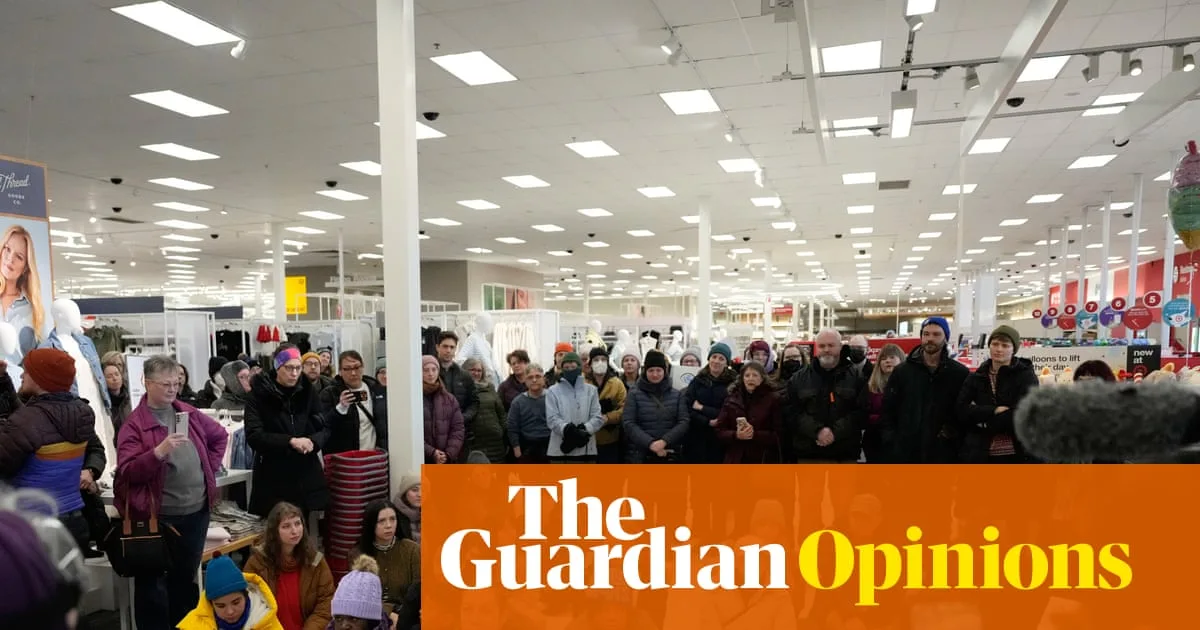
"More and more people are ready to challenge oppressive systems and hungry for a nonviolent playbook to do so." This sentiment, captured in a recent photograph by Yuki Iwamura, reflects a growing movement across the United States. From Target to Disney, the year 2025 has demonstrated with remarkable clarity that organised consumer boycotts can and do work, creating substantial financial and reputational consequences for major corporations.
The Historical Legacy of American Boycotts
The United States was fundamentally founded on boycotts of British imports, a fact worth remembering as the nation commemorates the 250th anniversary of its founding and the signing of the Declaration of Independence. The sustained colonial protests against Great Britain's Stamp Act and Townshend Duties – which imposed taxes on printed materials, glass, lead, paper, paint and tea – placed sufficient economic pressure on British merchants and parliament that the majority of these taxes were eventually repealed.
During these colonial boycotts, American colonists didn't merely withdraw from British markets; they simultaneously built an alternative made-in-America marketplace. They became domestic producers of homespun clothing, paper and other necessities, creating what we might now call parallel institutions. This dual approach of divesting from British goods while investing in homemade alternatives proved essential to their success, establishing a powerful legacy of effective nonviolent economic action.
The 2025 Boycott Resurgence: Corporate Targets and Impacts
This historical legacy has become strikingly relevant in 2025, which has emerged as a banner year for consumer protests in the United States. Major corporations across multiple sectors have faced organised boycotts with measurable consequences.
Corporate Targets and Their Vulnerabilities
Big box retailers like Target and Walmart encountered significant consumer backlash for rolling back their commitments to diversity, equity and inclusion initiatives. Home Depot faced boycotts following immigration raids near its locations, while Amazon confronted protests over its political donations to Donald Trump's administration, treatment of workers, and growing market monopolisation.
Tesla experienced consumer resistance due to Elon Musk's involvement in government dismantling efforts and far-right political posturing. Meanwhile, established movements like the Boycott, Divestment and Sanctions (BDS) campaign against Israel's military actions in Palestine gained increased traction and impact.
Measurable Financial Consequences
The financial and reputational costs of these boycotts have become increasingly visible as 2025 progressed. Target has reported layoffs, decreased sales, reduced store traffic and plummeting stock prices. Walmart has warned investors about the rising deleterious impact from consumer protests, while Tesla has seen both stocks and sales plunge as the brand transformed into a liability for many current owners and prospective buyers.
Even McDonald's acknowledged its markets were significantly affected by BDS boycotts. In striking contrast, Costco – which was praised by activists for doubling down on its DEI commitments – reported a 7% increase in net sales in April compared with the previous year, demonstrating how corporate positioning can influence consumer behaviour.
Building Effective Boycott Movements: Three Strategic Imperatives
As these consumer movements aim to increase their impact in 2026, activists and organisers must consider a broader ecosystem of actions and campaigns. Three strategic imperatives emerge from both historical and contemporary boycott movements.
1. Communicating and Growing the Movement
Successful boycotts must build community and identity among participants. The colonists' protests against the Stamp Act and Townshend Duties created unifying connections across diverse regions and actors. Activities like "spinning bees" – where communities would spin yarn together instead of importing it – became sources of community pride and solidarity.
Similarly, the carpooling systems developed during the Montgomery bus boycotts of the civil rights movement brought communities closer together, fostering unity, collective action and agency. Modern initiatives like TargetFast.org attempt to replicate this community-building function, creating essential foundations for withstanding backlash and maintaining morale.
2. Creating Parallel Institutions and Alternatives
Most boycott participants will still require the services and goods they're protesting against, making the creation of alternative institutions essential. When divesting from one institution, simultaneous investment in alternatives becomes crucial. The colonists began manufacturing their own fiber and clothing, while Montgomery bus boycotters developed entirely new transit systems to ensure community mobility without relying on segregated buses.
For contemporary boycotters targeting corporations like Target, Home Depot, Walmart and Amazon, creating viable alternatives requires careful planning. While Costco has benefited from redirected consumer spending, campaigns encouraging shoppers to support local brick-and-mortar stores will need additional movement support to create sustained financial pressure on targeted corporations.
3. Sustaining Participation and Maintaining Perseverance
For companies or governments to feel the genuine impact of economic noncooperation, sustained discipline and diligence are essential. A single-day boycott rarely affects billionaire owners' pocketbooks significantly, but multi-month or multi-year campaigns involving entire communities can create substantial pressure – particularly when supported by compelling collective identity and alternative institutions.
Historical precedents demonstrate this principle clearly. The colonists' protests against the Townshend Duties spanned several years from late 1767 until the taxes were repealed in 1770. The Montgomery bus boycott lasted an entire year and involved approximately 40,000 Black residents, while the United Farm Workers-led boycott against grape growers in the late 1960s continued for five years in response to poor wages and working conditions.
The Path Forward: Learning from History to Shape 2026
United States history provides rich case studies for contemporary movements. For emerging boycott proposals – including those targeting events like the World Cup in the US – assessing target vulnerability represents a crucial first step, alongside careful analysis of public perception.
The nation's founders established a powerful precedent: effective nonviolent boycott action is replicable across centuries. While successful campaigns require committed people, parallel institutions, and remarkable perseverance, what gets built during the boycott often creates the most lasting impact. This represents the new history waiting to be made – and celebrated – in 2026 and beyond.
Across the United States, a new critical consciousness continues to emerge in increasingly diverse locations. More people who have never previously spoken out are now finding their voices. More individuals who have never resisted are now mobilising. This growing readiness to challenge oppressive systems, combined with increasing hunger for effective nonviolent strategies, represents a powerful source of hope for those committed to social and economic justice through consumer action.




