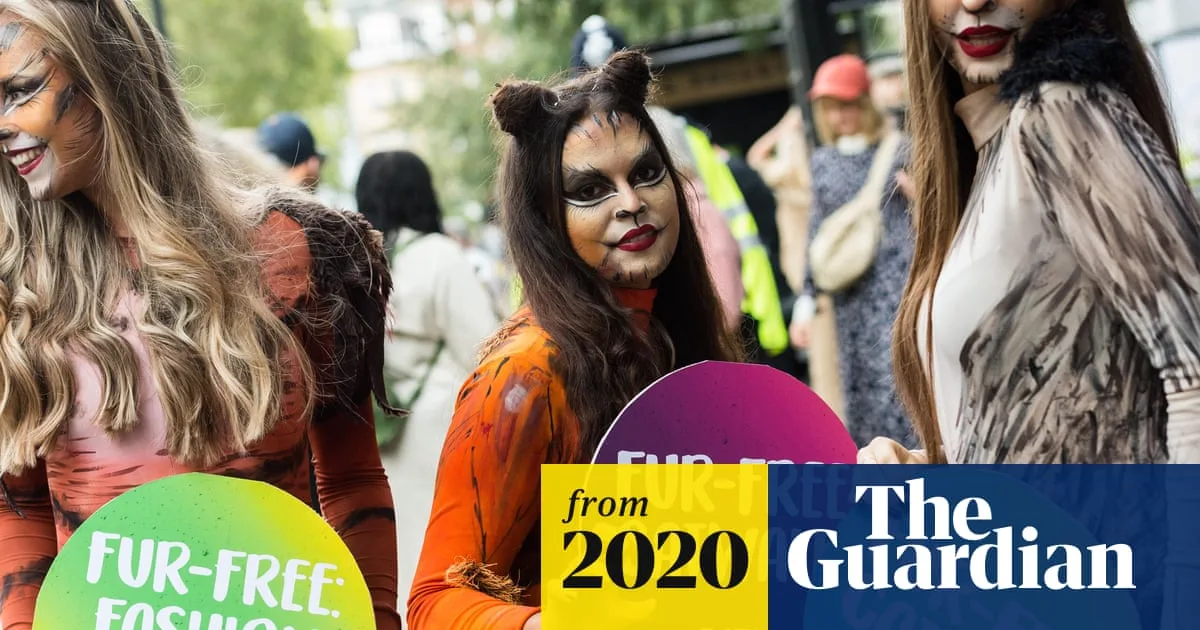
Celebrities Flaunting Real Fur Sparks Charity's Fears of Animal Rights Setback
Pei Su, the founder of the anti-fur charity ACTAsia, has expressed deep concern over a growing trend among celebrities and influencers who are promoting real fur, warning that it could drag animal rights back decades. As London Fashion Week showcases fur-free catwalks, Su highlights the alarming resurgence of fur in popular culture, driven by social media platforms like TikTok.
The Horrors of Fur Farming and Environmental Impact
Through her two decades of work with ACTAsia, Su has witnessed firsthand the appalling cruelty inflicted on animals in fur farms. Millions of foxes, minks, and raccoon dogs are bred and slaughtered annually, often kept in tiny wire cages and killed via methods such as electrocution and gassing. Beyond animal welfare, the fur industry poses significant environmental threats, with the carbon footprint of producing 1kg of mink fur being 31 times higher than that of cotton.
Global Health Risks and Social Media Arguments
Fur farms are also identified as high-risk breeding grounds for pandemics due to the close confinement of animals and human contact. Su dismisses social media arguments that vintage fur is acceptable as recycling, stating it merely normalises fur and fuels demand. She emphasises that this trend, endorsed by celebrities like Kendall Jenner, Ice Spice, and Rihanna, undermines decades of progress in making fur socially unacceptable.
UK's Regulatory Loopholes and Call to Action
While the UK banned fur farms in the early 2000s, a frustrating loophole allows the import and sale of fur, with retailers such as Harrods and Louis Vuitton still offering it. Su urges Britons to support a parliamentary bill, brought by MP Ruth Jones, which calls for a ban on fur imports and sales, with a second reading scheduled for February 27. She argues that it is hypocritical to condemn fur farming domestically while permitting cruelty in countries like China, the world's largest fur producer.
Progress and Ongoing Challenges in the Fashion Industry
ACTAsia reports positive steps, including over 1,600 retailers worldwide signing up to the Fur Free Retailers scheme, with 112 recruited in China. London Fashion Week has further banned exotic animal skins since 2024, and New York Fashion Week is fur-free from September. However, Milan and Paris Fashion Weeks still allow brands like Fendi to showcase fur, facing growing opposition. Su concludes by urging consumers to make informed choices to prevent a regression in animal rights, stressing that compassion for animals, people, and the planet must guide fashion decisions.