Taxi Driver at 50: How Martin Scorsese Turned New York into Cinema's Coolest Hellhole
Fifty years after its release, Martin Scorsese's Taxi Driver remains the definitive portrait of 1970s New York as a scum-ridden urban nightmare. This noir masterpiece didn't emerge in isolation but was part of a broader cinematic movement that transformed the Big Apple's mean streets into legendary film locations.
The Mayor's Unintended Legacy
In 1966, fresh-faced Mayor John Lindsay launched an ambitious initiative to boost film production in New York City. His pioneering Mayor's Office of Film, Theatre and Broadcasting offered producers a single one-stop shooting permit, cutting through bureaucratic red tape and opening the city's parks, museums, streets, and monuments to filmmakers.
"All the things that make New York unique have been made available to film people," Lindsay declared optimistically.

The initiative worked spectacularly - perhaps too well. New York-based productions first doubled, then trebled, funnelling much-needed funds into the struggling local economy. But instead of showcasing the city's grand monuments and cultural institutions, younger filmmakers gravitated toward less salubrious locations.
The Rise of the 'Bad Apple' Genre
From John Schlesinger's Midnight Cowboy (1969) through Walter Hill's The Warriors (1979), a distinctive genre flourished for nearly a decade. These films captured New York's mean streets, ghettos, porn theatres, and flophouses - the complete urban blight of a metropolis in meltdown.
Without Lindsay's film office, there likely would have been no The French Connection (1971), Dog Day Afternoon (1975), Death Wish (1974), Super Fly (1972), or The Taking of Pelham 123 (1974). These predominantly low-budget productions were rough around the edges, the cinematic equivalent of defrocked priests or disgraced ex-cops.
New York's 1970s Reality
Scorsese's masterpiece arrived when New York was teetering on bankruptcy, with murder rates rocketing, infrastructure collapsing, and tax bases diminished by decades of white flight. The summer heatwave of 1975 saw sanitation workers' strikes leave 58,000 tons of garbage on streets while fire stations shuttered following mass redundancies.
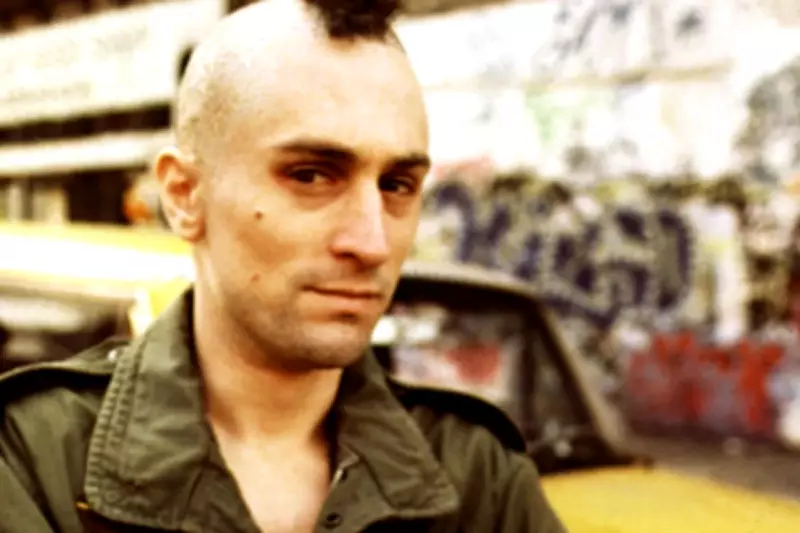
Taxi Driver captured this combustible atmosphere perfectly. Scorsese toured sketchy East Village, Times Square, and Lincoln Centre neighborhoods, keeping his sightline low to frame tatty bodegas and adult bookstores, catching the human flotsam that emerged at night.
"This city is an open sewer," Travis Bickle tells politician Charles Palantine in the film, echoing what many viewers felt about 1970s New York.
From Gomorrah to Gentrification
This year marks dual anniversaries: the 60th of the Mayor's Office of Film (still generating $5 billion annually) and the 50th of Taxi Driver itself. Tourists today would struggle to recognize Bickle's 1970s Gomorrah in New York's current low-crime luxury playground.
When director JC Chandor filmed 2014's A Most Violent Year, looking back at Gotham's darkest days, he wound up shooting in Detroit. New York, he decided, no longer looked like New York.
The Cultural Redemption
While economists credit Wall Street investment with saving the city through real estate and stock market strategies that reversed the fiscal crisis, arts and culture played a crucial role too.
History records that Milton Glaser's famous "I Love New York" advertising campaign was conceived in 1977, a year after Taxi Driver's release. Reportedly hatched in the back of a Manhattan cab, it was commissioned as a corrective to Scorsese's grim portrayal.
Yet this response missed the point: Bad Apple movies loved New York in their own way. Films like Taxi Driver, Dog Day Afternoon, Saturday Night Fever (1977), and The French Connection found gold in the ruins, weaponizing and monetizing social tensions. They presented the city as edgy and exciting - a fun place to live if you were hip enough to keep pace.

The Final Twist
In Taxi Driver's confounding finale, Travis Bickle is shot in the neck and appears to bleed out, only to be suddenly resuscitated and hailed as a hero. This twist serves as both a cold comment on celebrity culture and a metaphor for New York itself.
The city rushed toward destruction but was redeemed by its people. It appeared dead on its feet, then bounced back stronger. Business picked up, the Big Apple was saved, and Mayor Lindsay's bold mission ultimately achieved a happy ending - just not in the way he originally envisioned.
Fifty years later, Taxi Driver stands not just as a cinematic masterpiece but as a time capsule of a vanished New York, a testament to how art can transform urban decay into enduring cultural mythology.