Peaky Blinders Film 'The Immortal Man' Set for March 2026 Release
The iconic television series Peaky Blinders is making a highly anticipated return to screens with a new feature film titled The Immortal Man, scheduled to premiere in less than a month. Cillian Murphy reprises his role as the formidable Thomas Shelby, marking a significant comeback for the beloved character. This cinematic venture follows the show's successful run of six series comprising 36 episodes, with plans for a spin-off series also underway.
A Long-Awaited Return for Fans
Fans of the franchise have endured a prolonged wait since creator Steven Knight first hinted at a film adaptation in 2021, with official confirmation arriving last year. The film will debut in select cinemas starting March 6, 2026, before becoming available for streaming on Netflix from March 20, 2026. Set four years after the series finale, the plot sees Tommy Shelby driven back to Birmingham from his self-imposed exile, facing what is described as his most destructive reckoning yet.
Historical Roots of the Peaky Blinders
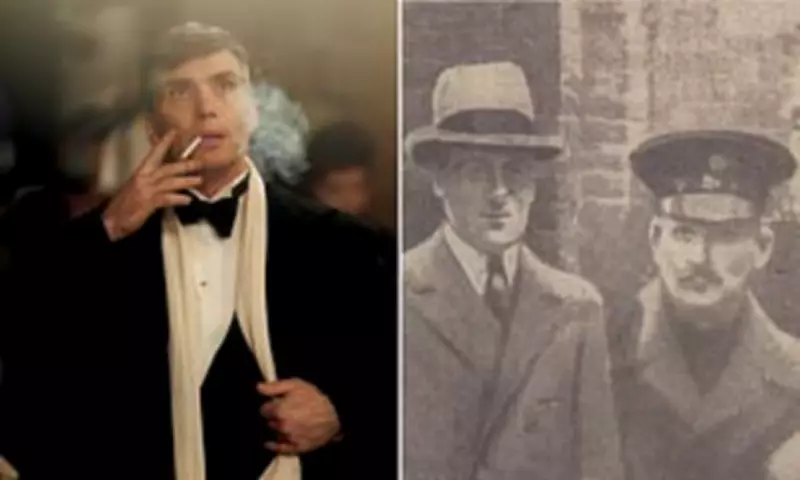
While the series captivates audiences with its fictional narratives, it is loosely based on real gang members from Birmingham. Steven Knight drew inspiration from stories passed down by his parents about gangs operating in the area, predating the show's post-World War I setting. Recent research by the genealogy site Ancestry, utilizing historical newspapers from Newspapers.com, sheds light on the actual figures behind the drama.

Historical records indicate that the term Peaky Blinders originally referred to a group of violent youths in Birmingham, not a single organised crime dynasty. Newspapers of the era broadly applied the label to individuals wearing the iconic flat-peaked caps associated with gang activity.
Real-Life Gang Members Unveiled
One of the most notable real-life inspirations is William 'Billy' Kimber, portrayed by Charlie Creed-Miles in the series. Kimber was the leader of the Birmingham Boys gang and appears in official documents and newspapers from the early 20th century. In 1921, he was recorded living in London with his partner, Cissie Kimber, and her family, though they did not marry until 1926. Just weeks before a census that year, the Birmingham Gazette reported Kimber was injured in a gang fight.
Contrary to popular belief, women were active participants in Peaky Blinder activities. Laura Annie Collins, born around 1863, was identified in newspapers as a Peaky Blinder alongside her husband, Alfred J. Worrall. In 1904, the Walsall Observer reported she attacked a police constable with a hairpin. Similarly, Emma Rowlands appeared in court in 1895 after striking a man in the eye with a belt, with headlines labelling her A Female 'Peaky Blinder'.
Other Historical Figures and Events
In 1905, a split within the Peaky Blinders led to a stabbing incident where Charles Henry Allbutt was seriously injured but survived, continuing to appear in criminal records until 1910. Brothers William and James Brough, born in Birmingham in 1882 and 1884, were also associated with the gang. James was arrested in 1905 for drunkenly attacking a police officer, leading to the detention of William and a friend. James later served in the First World War and by 1921 was working as a metal polisher, no longer appearing in criminal reports.
The character Alfie Solomons, played by Tom Hardy, was inspired by real Jewish gang leader Alfred Solomon. Official records list him as a fruiterer, and in 1921 he was living in Westminster under that trade. However, in 1924, Solomon was charged with the murder of bookmaker Barney Blitz and sentenced to three years in prison, as reported by the Daily Mirror.

Expert Insights on the Historical Connection
Simon Pearce, Family History Expert at Ancestry, commented: Peaky Blinders has captivated audiences with its gritty stories of rivalry and gang loyalty on the streets of Birmingham. Ancestry's real-life discoveries show just how closely the city’s history aligns with the drama on screen and some lesser known facts about the infamous gang too. From women actively involved in gang activity to men who served in the First World War, and others who reformed as respectable 'fruiterers', it’s a reminder that the most fascinating stories often lie hidden in our local and family histories, waiting to be uncovered.
As The Immortal Man prepares to air on Netflix and in cinemas, this blend of cinematic excitement and historical revelation promises to engage both longtime fans and new audiences alike.