The Dark Legacy of Noughties Reality Television
The early 2000s, often referred to as the Noughties, witnessed a boom in reality television that pushed ethical boundaries to capture massive viewer ratings. Programmes like There's Something About Miriam, Fat Families, and Supersize vs Superskinny featured concepts that would be widely condemned in today's more sensitive media landscape. A new documentary is set to scrutinise the impact of America's Next Top Model, a juggernaut that aired from 2003 to 2018, questioning whether its influence on fashion and pop culture masked a darker, more problematic production process.
Controversial Shows That Crossed the Line
There's Something About Miriam stands out as one of the most contentious reality shows of 2003. Broadcast on Sky One, it involved six men competing to win a romantic yacht trip and £10,000 by wooing Mexican model Miriam Rivera. The cruel twist was that contestants were not informed Miriam was transgender until after the winner was announced, leading to lawsuits and a settlement rumoured at £500,000. Miriam's tragic death in 2019, ruled a suicide, and the lasting impact on participants highlight the show's ethical failures.
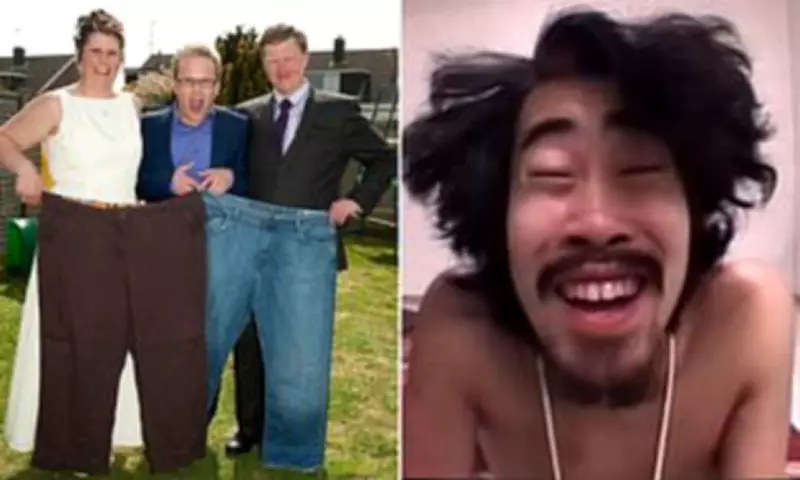
Another extreme example was Susunu! Denpa Shonen, a Japanese programme from 1998 that gained notoriety through a BBC documentary. Contestant Tomoaki Hamatsu, known as Nasubi, was locked naked in a room for 15 months, forced to survive by winning magazine competitions. His mental anguish, including hallucinations and thoughts of death, was broadcast live to millions without his knowledge, raising serious questions about consent and exploitation.

Weight-Loss Programmes Under Fire
Shows like Fat Families and Supersize vs Superskinny faced criticism for their harsh approaches to weight management. Fat Families, hosted by Steve Miller, used insulting language and public shaming to motivate participants, a tactic now revived with horror on social media platforms like TikTok. Similarly, Supersize vs Superskinny swapped diets between underweight and obese individuals under medical supervision, but critics argued it risked health and triggered eating disorders.
The Biggest Loser UK added to this trend with rigorous exercise regimes that led to injuries and accusations of promoting unsustainable weight loss methods. Host Davina McCall defended the show as inspirational, yet it remains a point of debate over fat-shaming and personal responsibility narratives.
Deceptive Dating and Makeover Shows
I Wanna Marry Harry deceived American women into believing they were dating Prince Harry, using a lookalike and fabricated scenarios to skew reality. Contestants reported 24-hour surveillance and psychological manipulation, with the show ultimately pulled due to low ratings. Playing It Straight added a homophobic twist by having women guess which bachelors were gay for a cash prize, sparking backlash years later.
The Swan took makeover shows to an extreme, subjecting women to cosmetic surgeries and pageants under the guise of transformation. Former contestant Belinda Bessant revealed scars and regrets, citing the show's misogynistic editing and long-term negative effects on mental health.
Secret Surveillance and Ethical Breaches
Secret Eaters used hidden cameras and private investigators to monitor participants' eating habits, confronting them with footage to induce shame. This invasive approach highlighted the show's disregard for privacy and its potential to harm self-esteem.
Finally, America's Next Top Model is under renewed scrutiny in the documentary Reality Check, where host Tyra Banks admits to pushing boundaries too far. Controversies included blackface photoshoots, fat-shaming, and forced cosmetic procedures, reflecting a broader pattern of toxicity in Noughties reality TV.
These programmes, once celebrated for their shock value, now serve as cautionary tales about the ethical limits of entertainment, underscoring how societal standards have evolved to reject such exploitative content.