Michael Jackson Biopic Fails to Mask the King of Pop's Inherent Eccentricity
In a surprising twist, Antoine Fuqua's new biopic Michael, which aims to cleanse the image of the late pop icon, instead accentuates his inherent creepiness. By meticulously avoiding the darker elements of Jackson's life—such as allegations of violent paternal abuse and his complex early encounters with sexuality—the film renders him a bizarre and eerie figure. This outcome is ironic for a production designed to rehabilitate his public persona, as noted by critic Adam White.
The Cultural Shift Post-Death
Following Michael Jackson's death in 2009 at age 50, the widespread mockery that once painted him as a masked oddball with a penchant for chimpanzees and veiled children largely ceased. His passing transformed the narrative, with the Jackson family promoting a view of him as a generous, naive soul too pure for a harsh world. However, Michael, which concludes in 1988 before any serious allegations surfaced, struggles to normalise its subject, instead laying bare his surreal quirks without deeper context.
Portrayal and Omissions in the Film
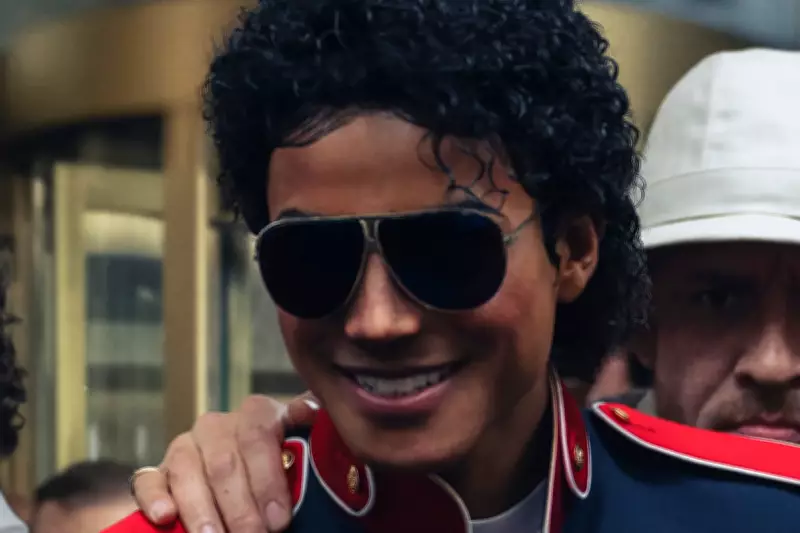
Starring Jaafar Jackson, Michael's nephew, the biopic uses extensive prosthetics and digital effects to mimic the star's iconic appearance. Scenes depict Jackson as a production savant and phenomenal performer, yet also highlight his eccentricities: he buys children's toys to celebrate independence from his father, prefers playing Twister with his chimp Bubbles over partying, and confides in a pet llama rather than people. The film softens the abuse by his father Joe, portrayed by Colman Domingo, reducing it to a single early scene and framing Joe's tyranny as a necessary evil for success.

Lack of Context and Fan Reactions
By omitting Jackson's traumatic childhood and early exposure to sex workers, the movie fails to provide context for his atypical behavior. Women in his life, such as Brooke Shields and Tatum O'Neal, are marginalised, and sisters like Janet Jackson are entirely absent. This sanitised approach caters to defensive fans, as evidenced by past backlash against critics of Jackson. Paris Jackson, his daughter, has criticised such biopics for controlling narratives and promoting inaccuracies, reflecting the divisive nature of Jackson's legacy.
Ultimately, Michael serves as a Rorschach test, allowing viewers to interpret Jackson as either a damaged individual or an innocent whimsical figure, but it cannot escape the inherent strangeness that defines his public image.