La Bohème Review: Boutique Modern-Day Puccini Travels to Gentrified Hackney in Good Voice
Theatre director Robin Norton-Hale has successfully transferred her free-ish stage adaptation of Giacomo Puccini's venerable opera La Bohème to film, with mostly excellent results. This new spin on the classic work survives the translation from 1890s Paris to 21st-century London remarkably well, with only a few minor details damaged in the crossing. The film adeptly uses the camera to create a powerful sense of intimacy and naturalism that is very user-friendly for viewers not accustomed to opera and its traditional conventions.
Navigating the Sung-Through Dialogue in a Modern Context
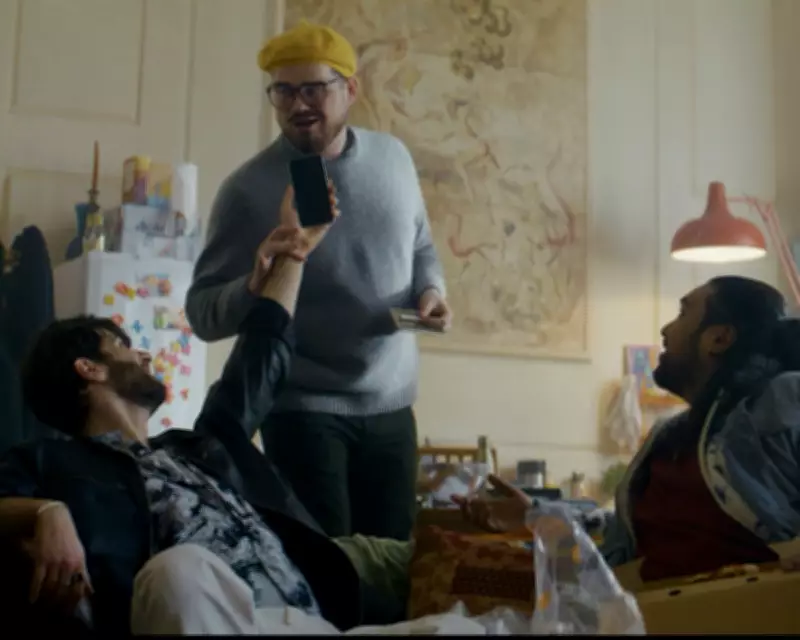
However, any novices will still need to overcome the fundamental weirdness of sung-through dialogue, which remains a non-negotiable convention of the operatic format. This feels even stranger when the cast is bellowing out lines in a classical fashion while wearing contemporary jeans and T-shirts, using modern slang and cuss words, and mentioning cultural references such as Strictly Ballroom in the English libretto written by Norton-Hale herself. Notably, she previously won an Olivier award for the stage version of this adaptation.
Paradoxically, Norton-Hale's version is both more faithful to Puccini's original 1890s work and yet seems less dated than Rent, the popular 1990s stage musical version set among Lower East Side artists in New York City. This creates a unique blend of historical authenticity and contemporary relevance that resonates throughout the film.

Setting and Characters in Modern East London
After some initial montage meanderings around Broadway Market in Hackney, the action settles down in a flat that is less grotty than it might be, given how impoverished these characters are meant to be. Would-be novelist Rodolfo, portrayed by Matthew McKinney, is hanging out with his painter flatmate Marcello, played by Benson Wilson. Soon they are joined by their roistering friends Shaunard, performed by Mark Nathan, and Colline, acted by Edward Jowle, as they head to the pub.
Rodolfo, however, stays behind and meets his neighbour Mimi, here depicted by Lucy Hall as a pretty if markedly frumpy cleaner who makes crochet flowers in her spare time. She carries a nasty cough around the way a lady up west may cling to a chihuahua, hinting at deeper health issues. Later, in the pub, we meet the vampish Musetta, portrayed by Julia Mariko, who catches Marcello's eye. The production effectively sets up the live-fast-die-young philosophy and rampant sexual jealousy that are the opera's key thematic elements.
Critique of the Hackney Portrait and Production Details
What is arguably less effective is the portrait of Hackney itself, which looks very sanitary and predominantly white, with a culture that still revolves around the pub as if the smoking ban never happened. Viewers cannot help but wonder if Rodolfo and Marcello have trust funds that allow them to afford digs in this gentrified neighbourhood, and what exactly is causing Mimi's cough, which has such significant consequences for the overarching story.
This modern adaptation of La Bohème is scheduled for release in UK cinemas from 3 March, offering a fresh take on a timeless classic. The film's ability to balance traditional operatic elements with a contemporary setting makes it a noteworthy entry for both opera enthusiasts and new audiences exploring the genre.