Game of Thrones fans expecting another sweeping, blood-soaked saga like House of the Dragon are in for a shock with HBO's latest foray into Westeros. The six-episode prequel series 'A Knight of the Seven Kingdoms', which premieres on Sky Atlantic, deliberately zags where its predecessor zigged, offering a bizarre, low-stakes oddity drenched in bodily fluids that may prove divisive.
A Modest, Mucky Adventure in Westeros
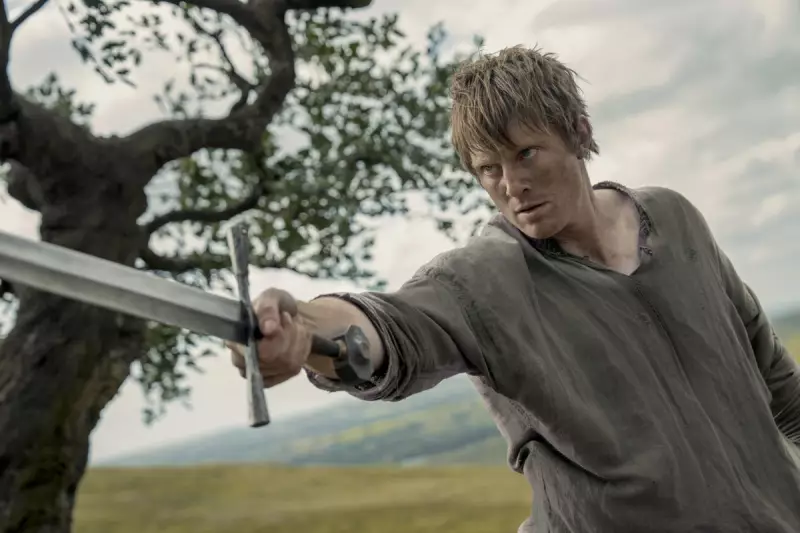
Based on George R.R. Martin's 'Dunk and Egg' novellas, the show is set approximately 89 years before the original Game of Thrones. It follows the meandering journey of Ser Duncan the Tall (Peter Claffey), a lowly Hedge Knight, and his young, bald squire simply known as 'Egg' (Dexter Sol Ansell). The tone is immediately established as loose and vaguely daft, a far cry from the weighty dynastic machinations viewers are accustomed to.
The series makes little effort to justify its existence within the larger franchise mythos, which can feel refreshing but also frustrating. It is a character piece, yet its central duo—while charming—lack the compelling depth that powered the best of Thrones. The production leans heavily into puerile humour, with an unabashed zeal for depicting blood, vomit, urine, and excrement from the very first episode.

Performances Amidst the Mire
Peter Claffey, standing at 6ft 5in, brings an unwieldy, raw physicality to Dunk, playing him more as an overgrown, awkward man than an intimidating warrior. Eleven-year-old Dexter Sol Ansell handles a tricky role with spurts of effectiveness, more convincing in moments of sincerity than when delivering crass lines. The supporting cast, including Daniel Ings as the flamboyantly obnoxious Ser Lyonel Baratheon, are roundly successful, providing familiar Thrones-style preening and pomposity.
Yet, the show's signature HBO gratuitousness—once a buzzy provocation—feels crasser here. Shots linger on bodily functions with a jarring insistence that often seems to be indecency for indecency's sake, pulling focus from narrative or character development.
A Confounding Footnote or a Welcome Risk?
Only in its final episodes does the violence ramp up to deliver the kind of gore that might satisfy traditionalists. Until that point, A Knight of the Seven Kingdoms operates in a bizarre tonal otherworld, feeling utterly separate from the franchise that spawned it. This represents a clear creative risk for HBO: to go smaller and stranger within a universe known for scale and seriousness.
Ultimately, this spin-off may prove too different and too small for a significant portion of the Game of Thrones fanbase. It feels like a curious footnote to the main saga rather than an essential chapter. As a standalone series, it is utterly confounding—a nutrition-light soufflé of a show that some may find oddly sweet, while others will baulk at its peculiar, mucky recipe.