Berlin Film Festival Issues Defence Amid Political Controversy
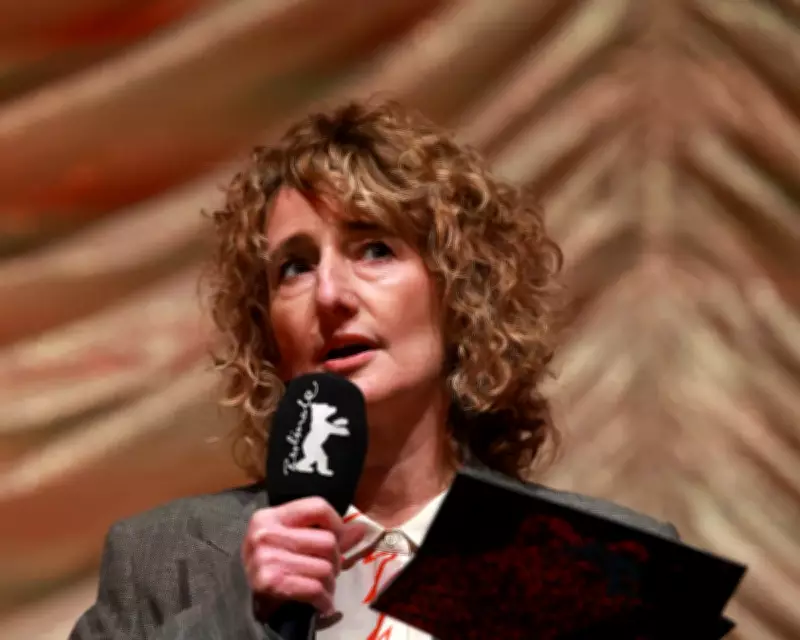
The Berlin International Film Festival, commonly known as the Berlinale, has released a comprehensive statement in defence of its film-makers, jury, and jury president following a significant media storm during the event's opening days. Festival director Tricia Tuttle emphasised that artists should not be pressured into providing soundbites on political matters, particularly when they have no control over broader festival practices.
Wim Wenders' Comments Spark Backlash
The controversy erupted after jury president Wim Wenders, the acclaimed German film-maker, made remarks during the opening press conference regarding the role of cinema in political change. When questioned about whether films can affect political change, Wenders asserted that "movies can change the world" but "not in a political way," adding that film-makers "have to stay out of politics." These comments were met with immediate criticism from various quarters.
Polish producer Ewa Puszczyńska also faced scrutiny when asked about the German government's support for Israel. She described the questioning as "complicated" and "a bit unfair," stating that jury members cannot be held responsible for governmental decisions regarding international conflicts.

Arundhati Roy's Stinging Withdrawal
The situation escalated when Indian author Arundhati Roy announced her withdrawal from the Berlinale on Friday. In a sharply worded rebuke, Roy labelled the jury's comments as "unconscionable" and expressed concern that such views had reached millions globally. She argued that the notion that art should not be political is "jaw-dropping" and serves to shut down crucial conversations about crimes against humanity, especially as they unfold in real time.
Roy emphasised that artists, writers, and film-makers have a responsibility to use their platforms to address pressing global issues, rather than retreating from political discourse. Her departure highlighted the deepening rift within the festival community over the intersection of art and politics.
Festival's Response and Broader Context
In response to the growing controversy, festival head Tricia Tuttle issued a communication titled On Speaking, Cinema and Politics. She stressed that artists are free to exercise their right to free speech as they choose and should not be expected to comment on every political issue raised, especially those unrelated to their work. Tuttle noted that there are "many different kinds of art, and many different ways of being political," criticising the media environment for often reducing complex thoughts to brief soundbites.
A festival spokesperson added that much of the circulating criticism takes remarks out of context, detached from the full conversations and the lifetime of work and values represented by the artists involved. The spokesperson reiterated the festival's commitment to defending its participants against what they perceive as unfair scrutiny.
Political Questions Dominate Headlines
Throughout the festival, politically oriented questions have dominated headlines and social media discussions. High-profile guests, including US actor Neil Patrick Harris, UK star Rupert Grint, and Malaysian actor Michelle Yeoh, were questioned on topics such as fascism and the state of the US, often with limited connection to the films they were promoting.
In contrast, singer Charli xcx, speaking at a press conference for the film The Moment, praised the festival for "not shying away from political films," indicating a diverse range of perspectives among attendees. This underscores the ongoing debate within the film industry about the appropriate role of politics in artistic expression and public discourse.
The Berlinale's defence statement aims to navigate these turbulent waters, advocating for a balance between artistic freedom and political engagement, while acknowledging the complexities of media representation in today's crisis-dominated environment.