BBC Cancels LGBTQ+ Dating Shows Citing Financial Pressures
The BBC has confirmed the cancellation of its popular LGBTQ+ dating programmes, I Kissed A Girl and I Kissed A Boy, attributing the decision to ongoing funding challenges. The announcement has sparked significant backlash from the queer community, with former contestant Amy Spalding describing herself as 'devastated but unsurprised' by the move.
Contestant Laments Loss of Positive Representation
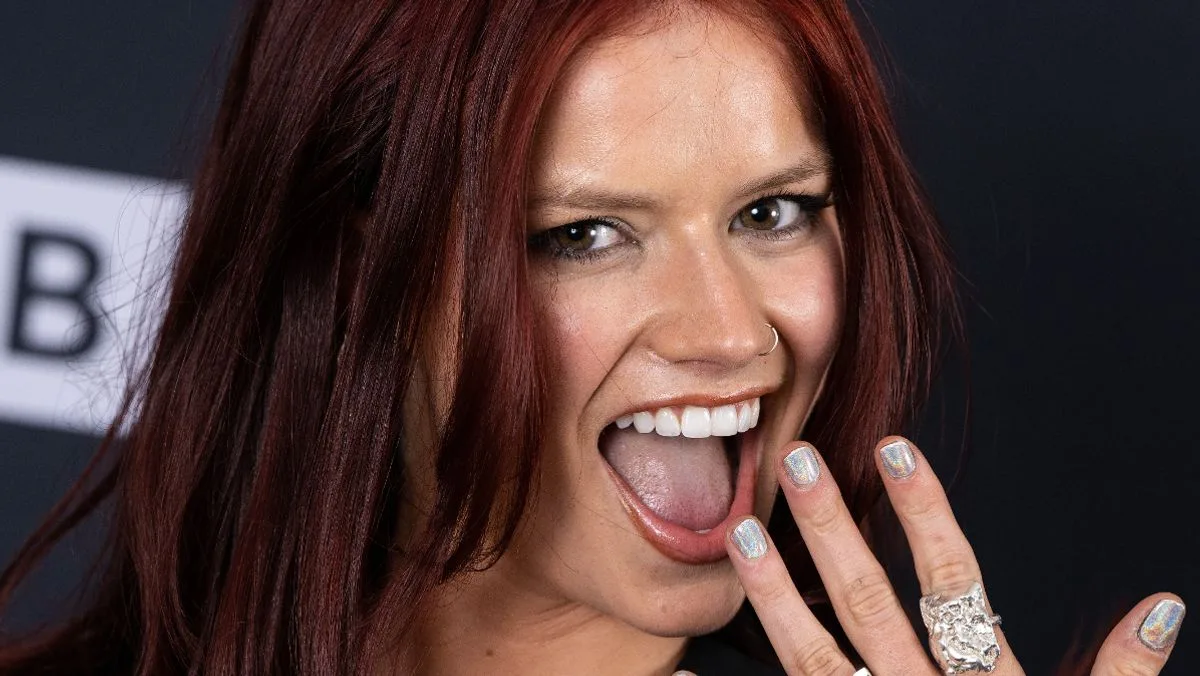
Amy Spalding, who rose to prominence on I Kissed A Girl in 2024, voiced her frustration in a heartfelt statement. 'Who's surprised? Queer storylines and queer stories are being sidelined again while straight storylines blossom in their thousands,' she remarked, calling it a 'tale as old as time.' Despite initial hopes for change, Spalding noted that the cancellation reflects a persistent systemic bias.
She emphasised the profound impact of the shows, stating, 'I first-hand saw how that positive representation of queer people on screens affected the community, and how much good it did.' Spalding highlighted the thousands of supportive comments, direct messages, and articles that underscored the programmes' role as a lifeline for individuals grappling with their identity, particularly in isolated areas.
Petition Launched to Demand BBC Action
In response to the cancellation, Spalding has shared a petition titled 'Demand the BBC Fund Queer Representation' on her Instagram story. The petition calls on the BBC to establish a dedicated fund for LGBTQ+ content, both scripted and unscripted, to ensure representation is not compromised by budgetary constraints. It argues that as a publicly funded broadcaster, the BBC has a duty under its Royal Charter to reflect the UK's diversity.
The petition outlines key points:
- Visibility Saves Lives: For many young people in rural or isolated areas, these shows provide crucial validation.
- Authentic Storytelling: Unlike tokenistic portrayals, the series created a full ecosystem of LGBTQ+ representation.
- A Public Mandate: Representation should not be the first casualty when budgets tighten.
BBC and Host Respond to Cancellation
A BBC spokesperson expressed pride in the shows, thanking host Dannii Minogue and production team Twofour for their work. 'Unfortunately, we have to make difficult choices in light of our funding challenges, and there are no current plans for the show to return,' the spokesperson stated. The final series of I Kissed A Girl is set to air this summer before the programmes conclude permanently.
Dannii Minogue, who has a strong LGBTQ+ following, praised the series as 'such a powerful and important show.' She added, 'The integrity and intention of why I Kissed A... was created, along with the love and care from the crew and production over the four seasons, has made it the most special experience for me in almost 40 years of television.'
Broader Implications for Media Representation
Spalding criticised the funding priorities, noting, 'There is so much content out there that gets all of this funding that doesn't have nearly as good of an impact.' She stressed that representation is fundamental, asserting, 'You can't be what you can't see. So when you get rid of people seeing what they are, it's so fundamentally detrimental to a person and a community.'
She lamented the lost potential, saying the show had 'barely scratched the surface' of what it could achieve, and dismissed claims that poor reception led to its cancellation. In a politically charged climate, Spalding argued such programmes are essential, calling them a 'light at the end of the tunnel.' She remains hopeful that another broadcaster might pick up the series or that the BBC will reconsider its decision.