Fuel Prices Not Falling in Line with Wholesale Oil Costs, RAC Says
Fuel Prices Not Falling with Wholesale Oil Costs

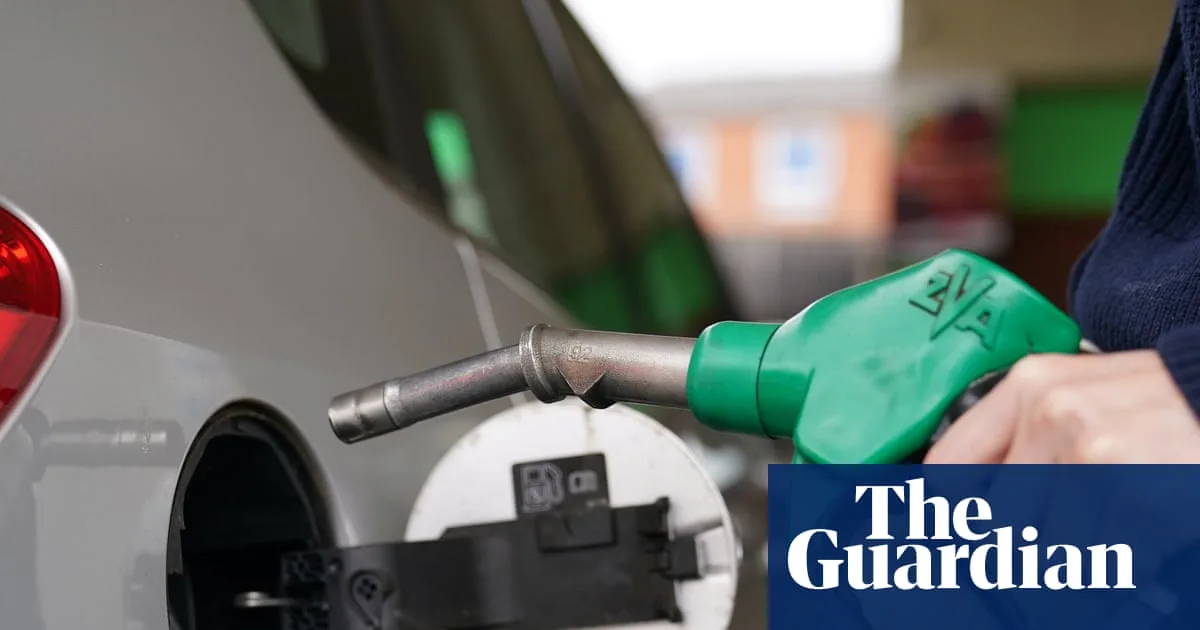
Drivers continue to feel the pinch as fuel prices at the pumps have not dropped in line with the falling cost of wholesale oil, new figures from the Royal Automobile Club (RAC) show. Petrol has decreased by only around 1p per litre, while diesel has dropped by 2p per litre.

Wholesale Costs Not Reflected at Pumps

The RAC, which released the latest data, said these tiny reductions are not consistent with the cost of these products on the wholesale market, which has come down in recent weeks. Global oil prices have remained below $110 for nearly three weeks, down from a high of nearly $120 last month, as the Strait of Hormuz remains closed.

However, the cost of filling the average 55-litre tank in a family car with petrol is still over £13 more expensive, and £26 more for diesel, compared to prices on 28 February, when the conflict started.

Wide Pickt banner — collaborative shopping lists app for Telegram, phone mockup with grocery list

RAC Calls for Further Reductions

RAC head of policy Simon Williams said: 'Pump prices are not falling at the rate that our analysis of wholesale data indicates they should, with petrol only having dropped a penny a litre since 15 April and diesel by 2p.'

'Interestingly, we note that prices in Northern Ireland have reduced more quickly, as unleaded has already come down by 2p and diesel by more than 4p in the last week.'

'The fact the price of oil went back above $100 on Wednesday, having been below that mark for 10 days, is no doubt a cause for concern for retailers.'

'Despite this, the cost of both fuels on the wholesale market is still lower than it has been, particularly for diesel, so drivers really ought to see some cheaper prices at the forecourts in the coming days.'

Drivers Hit by £2 Billion Extra Costs

Drivers are expected to hit the eye-watering £2 billion mark of extra costs spent at the pumps due to the war in Iran. The RAC Foundation study, which looked at daily consumption data and price fluctuations between 28 February and yesterday, found that higher pump prices will have collectively cost drivers this sum by this evening, after hitting £1.92 billion on Monday.

This means Chancellor Rachel Reeves has netted an unexpected bumper VAT windfall of over £300 million in just two months since the conflict started, piling pressure on her to use this to scrap her planned fuel tax raid to help out hard-pressed households.

The conflict, which has squeezed supplies and sent pump prices soaring, saw Brent crude oil prices climbing back up to $112.70 yesterday.

BP Profits Double Amid Crisis

The news comes hours after it was revealed that oil giant BP doubled their profits, rising to £2.5 billion in the first three months of the year. That was more than double the £1 billion made in the same period last year and its biggest quarterly haul since 2023, sparking a furious backlash from critics, including Energy Secretary Ed Miliband.

The results are an early boost for Meg O'Neill, who became the first female chief executive in BP's 117-year history when she took over this month. But even if O'Neill manages to win over the City by turning BP around, she is set to face a rough ride in Westminster with Miliband declaring: 'Profiting from a crisis is morally and economically wrong. That's why we're taxing these windfall profits to help fund support with the cost of living.'

BP declined to respond directly to Miliband's comments. But O'Neill described further windfall taxes as a 'highly flawed response' to the Iran crisis. While BP is benefiting from the higher oil price, the company warned underlying oil and gas production will be flat this year due to disruption in the Middle East.

Pickt after-article banner — collaborative shopping lists app with family illustration




