King Charles Strategically Snubs Brother Andrew at Sandringham Estate
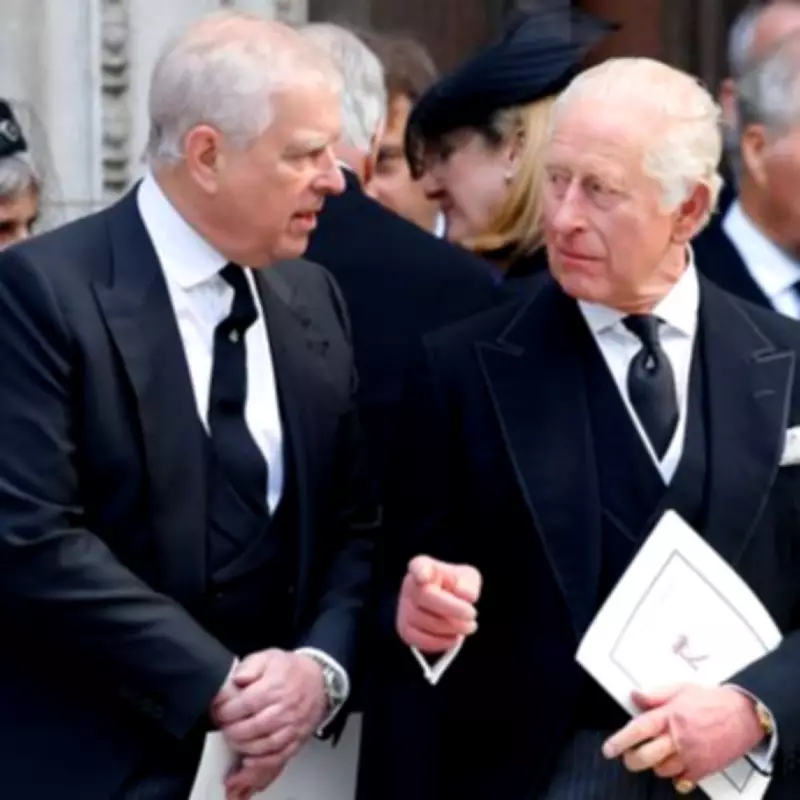
King Charles has deliberately avoided meeting his disgraced younger brother, Andrew Mountbatten-Windsor, during a weekend visit to the royal Sandringham estate in Norfolk, despite their close proximity. The monarch's decision, now revealed to be a calculated strategic move, stems from serious concerns that any personal encounter could dangerously escalate the ongoing scandal surrounding Andrew.
Close Proximity But No Contact
Over the weekend, King Charles traveled to his Norfolk estate, where he was photographed attending a traditional morning service at St Mary Magdalene Church on Sunday. Dressed in a camel-colored overcoat and carrying a large umbrella, the King was seen walking the short distance from Sandringham House, shaking hands with clergy members. Notably, during his stay, Charles was at one point less than two miles from Andrew's temporary residence at Wood Farm, where the former Duke of York is living while his more permanent lodgings at Marsh Farm undergo renovations.
Despite this geographical closeness, the King made no attempt to visit his brother. This avoidance has now been explained by a former senior royal aide, who has shed light on the monarch's reasoning behind this deliberate snub.

Former Aide Reveals Strategic Reasoning
Ailsa Anderson, former Press Secretary to Queen Elizabeth II, has publicly stated that King Charles cannot meet with Andrew, even if he wished to do so, due to one major strategic concern. Speaking to The Sun, Anderson explained that a personal meeting would likely reignite and intensify media scrutiny at a time when the palace is desperately trying to manage the fallout.
"I think the story at the moment has not escalated in the last week since the arrest and all the furore after that," Anderson said. "I think if the King went to see him, somebody would take a shot. It would escalate the story and it would bring it back to the surface again."
Anderson suggested that communication is likely occurring via telephone, but emphasized the correctness of avoiding a physical visit. "I think he's right not to go and see him because I just think the story would suddenly resurface and escalate and all the things that the palace doesn't want," she added, highlighting the delicate balancing act between family loyalty and institutional preservation.
Alternate Perspectives and Brotherly Bonds
Not all commentators agree with this assessment of complete avoidance. Royal biographer Phil Dampier offered an alternate view, expressing surprise that the brothers did not meet privately given their shared location on the vast Sandringham estate.
"I think probably he's talking to him behind the scenes and saying, 'look, I'm sorry, I've had to do this for the sake of the Monarchy'," Dampier speculated. "At the end of the day he is his brother, and I'm sure he feels for him to some extent." This perspective suggests that while public appearances are being avoided, private familial communications may still be taking place.
Andrew's Restricted Circumstances and Recent Visitors
Andrew Mountbatten-Windsor's life has become increasingly constrained since his arrest on February 19, which occurred on his 66th birthday. He was detained on suspicion of misconduct in public office, linked to his tenure as UK trade envoy, spending 11 hours in custody at a Norfolk police station before being released under investigation.
Strict new rules have been imposed upon the former prince, including:
- A prohibition on his favorite pastime of horse riding, deemed a "bad look" during the police probe
- Restrictions requiring permission and a chaperone to leave the Sandringham estate
- Advance approval required for any visitors to his Wood Farm residence
Despite these limitations, Andrew has received two notable visitors in the past week. Reverend Canon Paul Williams visited just hours before meeting King Charles on Sunday morning, while Lord Chamberlain Richard Benyon, the most senior member of the royal household, spoke with Andrew at Wood Farm on Monday.

Broader Implications for the Monarchy
This situation illustrates the complex interplay between personal family relationships and institutional responsibilities within the modern monarchy. King Charles's decision to avoid his brother, despite their physical closeness, underscores the paramount importance of protecting the Crown's reputation during times of scandal. The strategic distancing serves as a clear message about the seriousness with which the palace views Andrew's legal situation and its potential to damage the royal family's standing.
As the investigation continues, the careful management of appearances and communications will remain crucial for King Charles and the institution he now leads. The Sandringham weekend has demonstrated that even within family estates, royal protocol and strategic considerations can create significant distances between close relatives when the stability of the monarchy is perceived to be at stake.