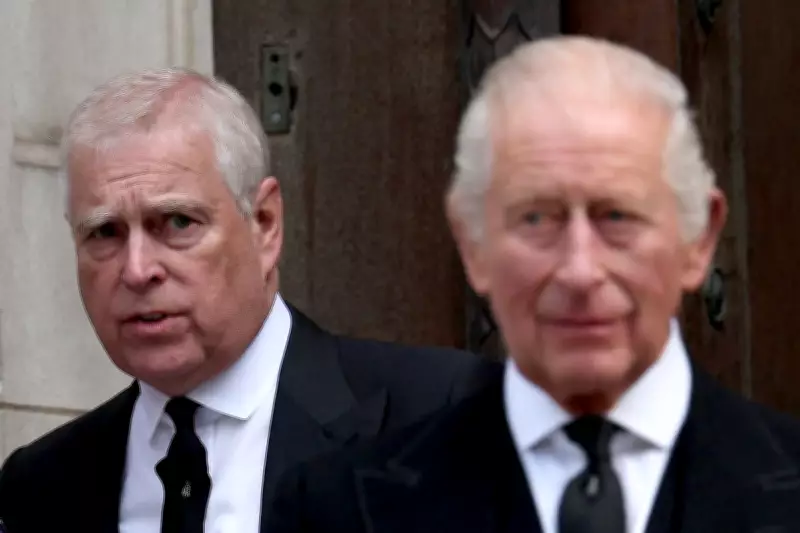
Andrew Mountbatten-Windsor could be formally removed from the line of succession to the British throne, according to a royal expert, with the government considering new legislation to enact this change. The former prince currently holds the eighth position in the royal line, despite having relinquished his Duke of York title in October and losing his prince title and Royal Highness style in November amid the unfolding Epstein scandal.
Legal Pathway to Removal
Removing an individual from the line of succession is not possible without new legislation, requiring an Act of Parliament approved by both MPs and peers. This process also necessitates the agreement of other countries that share the UK monarch, such as Commonwealth realms. A historical precedent exists with former King Edward VIII, who was removed along with his descendants through the Declaration of Abdication Act 1936 after his abdication.
Recent Developments and Allegations
Andrew Mountbatten-Windsor was released under investigation on Thursday following his arrest on suspicion of misconduct in public office. These allegations emerged after the release of files related to paedophile financier Jeffrey Epstein, adding to the controversy surrounding his royal status. The government is reportedly considering a law, with Prime Minister Keir Starmer involved in discussions, to potentially strip him from the succession line.

The situation highlights the complex interplay between royal protocol, legal frameworks, and public scandal. As the Epstein scandal continues to unfold, the possibility of legislative action underscores the ongoing scrutiny of Andrew Mountbatten-Windsor's role within the monarchy and the broader implications for the royal family's future.