Elton John's Explosive Courtroom Performance Reveals Decades of Tabloid Fury
Sir Elton John transformed the witness box into a stage for righteous indignation during his video-linked testimony in the landmark privacy case against Daily Mail publishers. The music icon, appearing via video link from an undisclosed location, spent forty-five minutes delivering a masterclass in controlled fury, his decades of theatrical experience evident in every gesture and carefully chosen word.
A Performer's Poise Meets Unbridled Anger
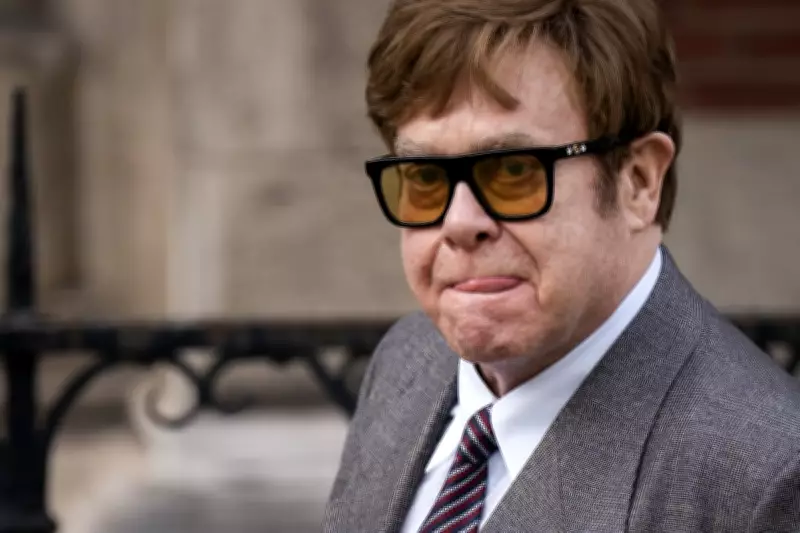
Ditching his trademark flamboyant eyewear for serious thick-framed glasses and a muted green coat, Sir Elton presented a starkly different image from his stage persona. Yet his performance remained utterly compelling as he reacted viscerally to tabloid headlines spanning more than a decade. With lips repeatedly moistened as if parched by the sheer absurdity of the accusations, he fixed his gaze on exhibits including the 2009 headline "Sick Elton cancels more tour dates" and the 2015 story "Elton in Monaco ambulance dash after his leg 'swells like a balloon' during tennis match."
The emotional pivot came swiftly as the veteran showman shifted from feigned nonchalance to what he described as "army manoeuvre" tactics employed to protect his family's privacy. He revealed extraordinary measures taken to keep the birth of his son Zachary confidential, declaring with palpable frustration: "We kept it quiet – which was a miracle, considering who we are."

Targets of Wrath: Former Staff and Alleged Friends
Sir Elton's anger found multiple targets during his testimony. His former public relations representative Gary Farrow received particularly scathing criticism regarding allegedly inaccurate health disclosures. "I didn't have a bacterial infection, so Mr Farrow got it completely wrong," he stated dryly before delivering the definitive verdict: "That's why Mr Farrow no longer works for us."
The suggestion that friends might have leaked private information provoked even greater ire. "My friends don't talk to the press – that's why they're my friends," he thundered, his gaze sharpening like a weapon. "Our friends don't give information to newspapers." This protective instinct extended to his husband David Furnish, with Sir Elton vehemently denying any suggestion that Furnish had ever discussed their private life with journalists.
Intimate Revelations Amid Privacy Demands
Paradoxically, the testimony designed to protect privacy revealed numerous intimate details about Sir Elton's life. He disclosed:
- Medical specifics including an "infected glute" rather than tennis-related leg swelling
- That he maintains three landline telephones but no mobile device
- All his communication lines were allegedly hacked, "including the telephone junction at the end of our road"
- Significant eyesight challenges that made reading evidence difficult
- The emotional toll of constant public scrutiny after decades in the spotlight
"Why are you concentrating on these two things?" he demanded at one point, frustrated by what he perceived as trivial questioning. "You're focusing on my infected glute when we've been through the most horrendous things anyone can suffer."
Broader Implications for Privacy Rights
The case, which also features Prince Harry and actress Elizabeth Hurley as claimants, raises fundamental questions about privacy in the digital age. Central to the legal argument is whether information becomes public domain simply because it originated from official channels like a personal website or authorized spokesperson. Sir Elton maintains that certain details remained private regardless of partial disclosures, and that obtaining them required unlawful methods.
As the trial continues, it promises to explore increasingly complex territory regarding:

- The definition of privacy in an era of constant digital exposure
- Legal protections for public figures against intrusive journalism
- The boundaries between legitimate public interest and sensationalist intrusion
- Responsibility for information control among celebrities and their representatives
The ultimate irony remains: through his passionate defense of privacy, Sir Elton John has revealed more personal information than many casual observers ever expected to know. His testimony stands as both a powerful indictment of tabloid practices and a poignant illustration of the exhausting reality behind celebrity status.