CBS News Editor Faces Criticism Over Family Dinner Party Tactics
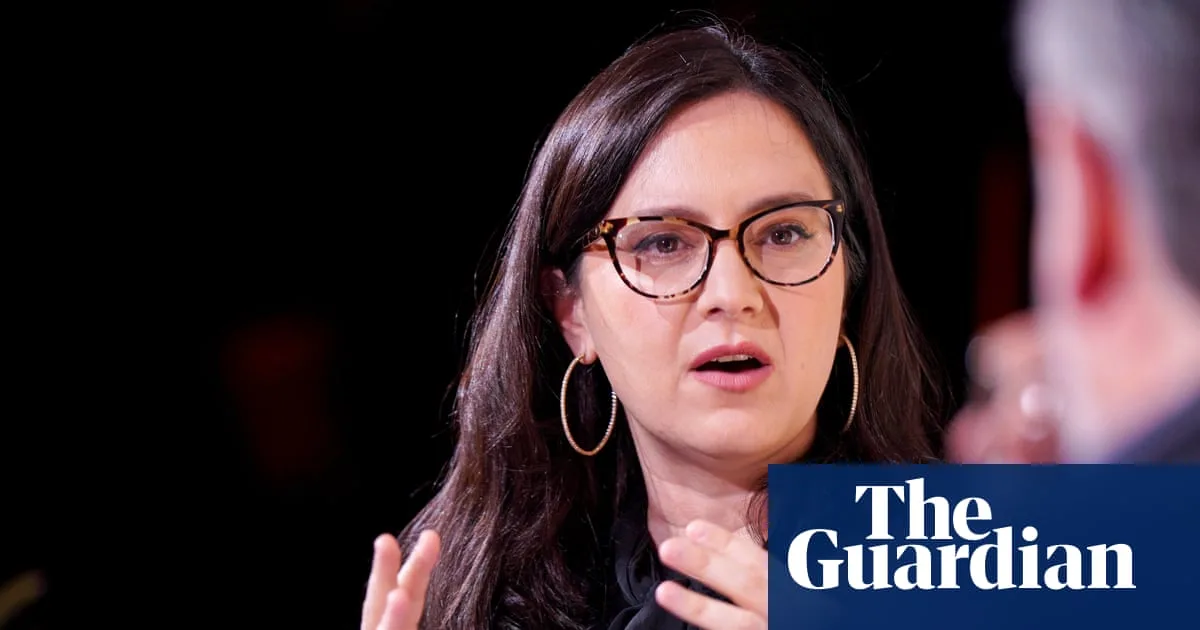
CBS News Editor-in-Chief Bari Weiss has found herself embroiled in controversy following the resurfacing of a podcast segment where she casually discussed her sister's unconventional approach to breaking the ice at social gatherings. The nine-second clip, originally broadcast six months ago on Weiss's Honestly podcast, has circulated widely online, drawing significant criticism and raising questions about appropriate social etiquette.
Unusual Icebreaker Questions Spark Public Outrage
In the podcast episode that focused on Jeffrey Epstein and various American conspiracy theories, Weiss revealed that her sister employs two particularly provocative questions to initiate conversation at dinner parties. "One of my sister's favorite ice breakers at a dinner party, in addition to asking people's goal weight, is this: 'What's your favorite conspiracy theory?'" Weiss stated during the show's introduction.
The revelation about inquiring after guests' weight goals has generated substantial backlash across social media platforms. Horrified viewers have expressed their dismay at what many consider an intrusive and potentially harmful line of questioning. "Who would answer either of those questions?" one appalled individual posted on X, formerly known as Twitter. Another commenter declared the approach "deranged," while a third stated they were "racking my brain and can't think of a single worse question to ask."
Psychological Experts Warn of Potential Harm
According to psychological professionals and etiquette experts, questions about weight can have damaging consequences regardless of their intention. Psychology Today has noted that comments about weight - whether intended as compliments or criticisms - can be particularly harmful to individuals who struggle with disordered eating. The publication emphasizes that research demonstrates weight-related teasing or pressure to lose weight serves as a strong predictor of eating disorders.
Even seemingly positive remarks like "You've lost weight!" can reinforce unhealthy behaviors and create anxiety about maintaining weight loss, according to psychological research. The School of Modern Etiquette identifies several topics that should generally be avoided at dinner tables to prevent discomfort and potential arguments.
Etiquette Guidelines for Social Gatherings
Author Monika Walczak, writing for the School of Modern Etiquette, outlines six areas to steer clear of during social occasions. Commenting on people's appearance or health ranks prominently among these discouraged topics. "Some people may be suffering from a serious illness that causes changes in their appearance," Walczak points out. "If you notice these changes, it's best to take the person aside and talk to them privately. Never bring up someone's health or appearance in front of others."
Other sensitive subjects that etiquette experts recommend avoiding include:
- Inquiries about relationship status
- Questions regarding plans for having children
- Discussions about religion
- Conversations about politics
- Questions concerning personal finances
Social Media Reactions and Wider Context
The resurfaced clip has generated considerable discussion online, with many social media users expressing their discomfort with the weight-related question. "If somebody asks you about your weight at a dinner party, leave," suggested one commenter. Another declared, "Mention my 'goal weight' at a dinner party and I'm immediately out the door," adding humorously, "But the plate comes with me. I didn't starve myself all day in pre-game anticipation just to leave empty-handed and weirded out."
Some users attempted to find humor in the situation, with one joking, "Single guys out there — this is also a great icebreaker on a first date." However, the predominant reaction has been one of concern and disapproval regarding the appropriateness of such personal inquiries in social settings.
This controversy emerges amid broader scrutiny of Weiss's appointment at CBS News by Paramount CEO David Ellison. Weiss, who co-founded the Free Press with her sister Suzy, has previously faced internal backlash and accusations of inexperience following her appointment to the prominent media position. The resurfaced podcast segment has added to these existing criticisms, placing the editor under further public examination regarding her judgment and social awareness.