Since the Chinese government cracked down on the country's idol industry in 2021, an underground 'alt-idol' culture has emerged, championing freedom and experimentation. The ban on idol-development shows, part of a broader initiative to regulate 'toxic' fandom, has decimated mainstream groups like IXFORM and Into1, but a grassroots movement is redefining what an idol can be.
Emily Liu, who runs the popular idol newsletter Active Faults, says the crackdown was 'an excuse to regulate the internet'. It blocked opportunities for idol trainees to build careers, pushing many into acting or livestreaming. However, a new scene of part-time performers and fans is forming 'alt-idol' groups that oppose the restrictive blueprints of corporate pop.
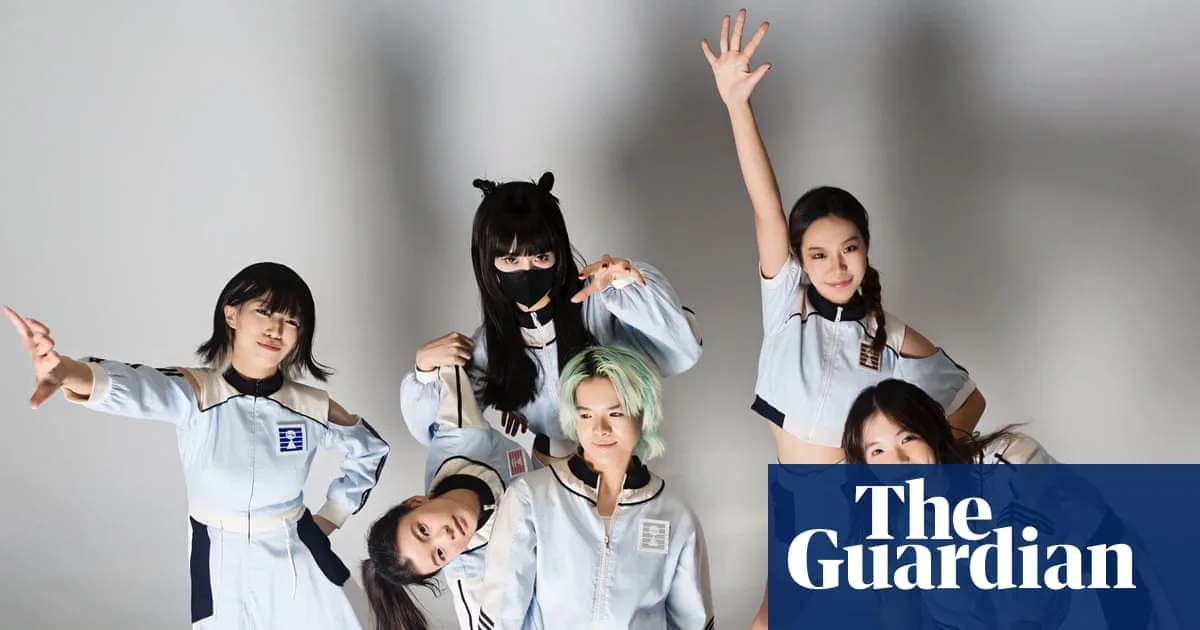
'People are exhausted by Blackpink and BTS and all these household names,' Liu says. 'People want something new, especially in China.' Zhao Beichen, founder of the alt-idol groups Transparent Classroom and Parallel Girls, compares the movement to the arrival of alt-rock in the US in the 1980s. She selects members based on sincerity and artistic freedom, not rigid standards around weight, complexion or technical perfection.

Silver, a member of Transparent Classroom, says: 'When I was little, there was no one like me on television in China.' She and another member have short-cropped hair, rare in the idol world. After auditioning for mainstream groups, she met Zhao at a flea market where she was selling her guitars. Zhao conceptualised her group while living in Japan, where she was impressed by the 'heart-moving power' of underground idols.
While mainstream pop has been decimated, the number of alt-idol groups is expanding. They retain classic idol tropes like choreographed dancing and synchronised costumes, but are sonically and stylistically more experimental. Many are self-produced and based outside Shanghai and Beijing, allowing localised scenes to flourish. Transparent Classroom are from Changsha, while other groups like H1-Key and Flavor Girl have emerged from cities such as Chengdu and Shenzhen.