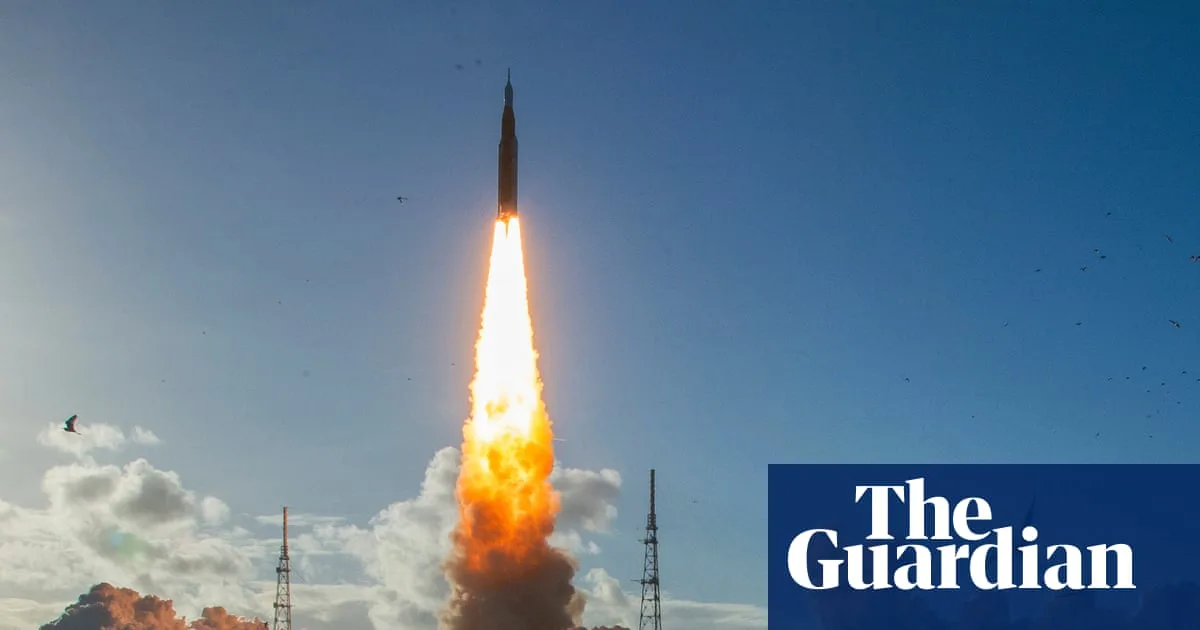
Nasa has authorised the four Artemis II astronauts to fire their Orion capsule's engine and head for the moon, marking the first crewed lunar flyby in over 50 years. The translunar injection burn, lasting 5 minutes and 49 seconds, is scheduled for just before 1am BST and will propel the crew out of Earth orbit on a three-day journey toward the moon.
Mission control confirmed the go-ahead after a day of checks following Wednesday's launch from Kennedy Space Center. The crew, comprising three Americans and one Canadian, will loop around the far side of the moon, reaching altitudes of 4,000 to 6,000 miles above the lunar surface. This will break the distance record set by Apollo 13 in 1970.
The 10-day mission is a critical test of Nasa's Artemis programme, which aims to land humans on the moon later this decade and establish a permanent lunar base. Commander Reid Wiseman described the view of Earth from 38,000 nautical miles as 'spectacular'. Minor issues, including a cold cabin and a toilet fault light, have been reported but are not affecting the mission.

Artemis II will also test systems for future missions, including docking procedures. Artemis IV, targeted for 2028, plans to land astronauts on the moon's south pole, amid a new space race with China, which aims for a crewed lunar mission by 2030.