The Rolls-Royce of Live Television Faces Axe
They are the small, multi-award-winning team behind some of the most powerful and enduring images in modern British history. Remember the heartbreaking scene of the Queen sitting alone at Prince Philip's funeral? Recall the majestic sight of her own funeral procession winding up Windsor's Long Walk, with her Fell pony Emma loyally bidding farewell. These were not random moments captured by a lucky cameraman. They were meticulously produced by an operation often described as the Rolls-Royce of live television.
A Legacy of Unforgettable Broadcasts
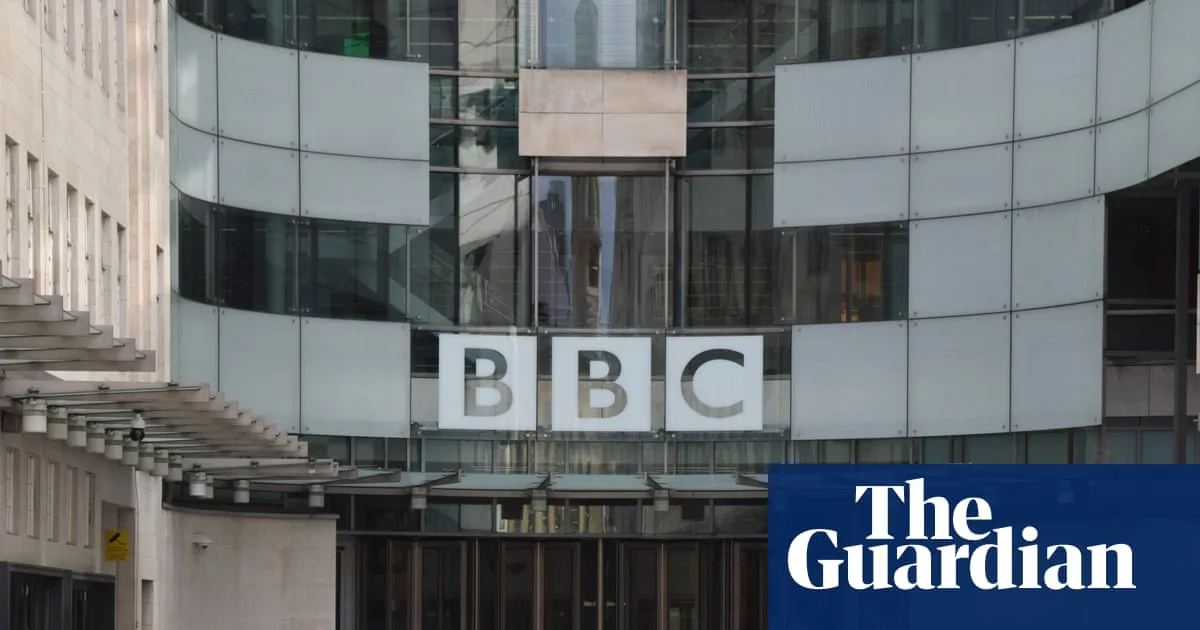
If you have ever watched stirring scenes at the Cenotaph, welled up during the Festival of Remembrance, or witnessed great anniversary commemorations from VE Day to VJ Day, you have experienced the exceptional calibre of BBC Studios Events Productions. This is the outfit that makes even the BBC's harshest critics acknowledge: 'This is why we pay the licence fee.' Remarkably, they achieve this on a fraction of the budget allocated to events like the Glastonbury Festival.
So why are BBC bean-counters now planning to reduce this team to just one person, if not eliminate it entirely? Officially, management cites the usual rhetoric about delivering value for money, though a brief examination of other expenditures undermines this argument completely.
A Changing Media Landscape
Perhaps the real issue is that BBC Studios Events covers 'traditional' events that don't appeal to a new generation of media executives who might prefer contemporary political statements over the Band of the Grenadier Guards. This weekend's Boat Race—which has nothing to do with the Events team—has been dropped by the BBC for the first time since television began, signaling a broader cultural shift.
From veterans to Buckingham Palace, concern is widespread. As someone who has been part of BBC commentary teams for jubilees, royal weddings, funerals, and the Coronation, I've witnessed firsthand how this team operates. At Prince Harry's wedding, while a US network constructed an ambitious rooftop studio that nearly hazarded air traffic, the BBC worked from a small tent on a rampart. Yet it was BBC Studios Events that produced and directed the feed broadcast to an estimated two billion viewers worldwide.
More Than Just Ratings
This team also brings us annual events that may not attract massive global ratings but are crucial to the BBC's public service remit because they matter deeply to substantial segments of the British public. Trooping the Colour, Remembrance Sunday, and the Commonwealth Observance at Westminster Abbey (the latter already axed) are produced with such excellence that other countries hire the BBC team to manage their own state occasions.
I suspect another reason for these cuts—tiny cuts for a tiny department—is that the BBC is currently between directors-general. The previous director-general, Tim Davie, understood the importance of these events. After the Queen's state funeral, he was waiting outside the makeshift studio, knowing that at such moments, it's not just individual careers but the entire reputation of the BBC that hangs in the balance.
Lessons from Past Mistakes
Consider the Queen's Diamond Jubilee weekend. Most coverage was excellent, but the river pageant production was so poor that several people lost their jobs. Why? Because, inexplicably, that segment had been taken from the Events team and given to the light entertainment unit. Conversely, footage from her 2002 Golden Jubilee—captured by this very team—was so spectacular that it became the centerpiece of London's successful bid for the 2012 Olympics.
In short, reversing this foolish decision should be at the top of incoming director-general Matt Brittin's agenda when he starts in May—preferably before Culture Secretary Lisa Nandy orders him to do so. This isn't about BBC-bashing or party politics; Labour MPs and voters appreciate quality coverage of major national events as much as anyone.
There are seismic moments that define this country, for better or worse. When they occur, we expect the BBC to be present with the right people on the job. Dismantling this exceptional team jeopardizes that fundamental expectation.