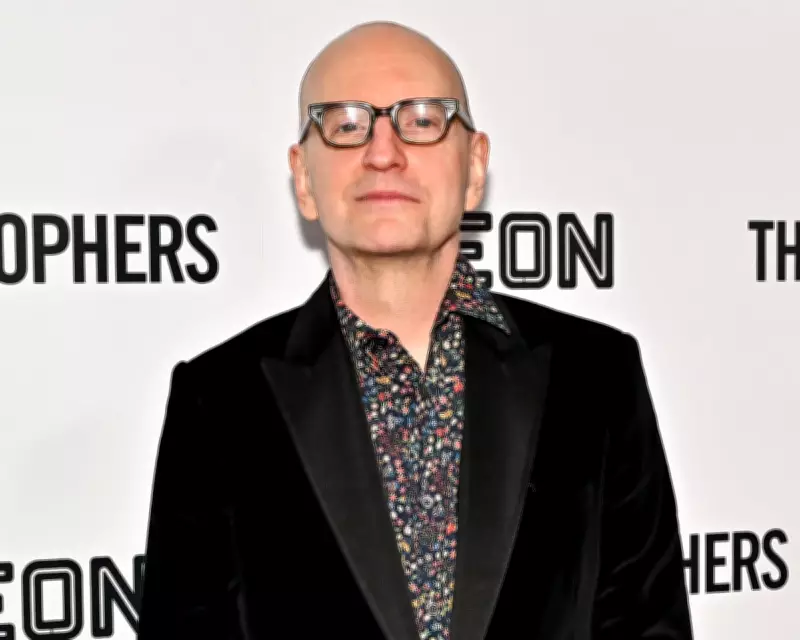
Hollywood's AI Revolution: Soderbergh and Top Directors Embrace Artificial Intelligence in Filmmaking
In a surprising turn for the film industry, respected directors like Steven Soderbergh are increasingly exploring the use of artificial intelligence in their productions. This shift raises profound questions about creativity, authorship, and the evolving nature of cinematic art.
Steven Soderbergh's AI Ambitions
Steven Soderbergh, known for his prolific output and innovative techniques, has openly discussed his interest in AI. In a recent interview with Filmmaker Magazine, he revealed using generative AI to create surreal, dreamlike imagery for an upcoming documentary about John Lennon and Yoko Ono. He further announced plans to employ "a lot of AI" in a prospective film about the Spanish-American war.
Soderbergh's approach is measured, not evangelical. He remarked, "I don't think it's the solution to everything, and I don't think it's the death of everything. We're in the very early stages. Five years from now, we all may be going, 'That was a fun phase.'" His comments have sparked both curiosity and criticism, given his history of embracing new technologies, from digital cameras to iPhone filmmaking.

Other Hollywood Heavyweights Join the AI Wave
Soderbergh is not alone in this trend. Several high-profile figures in Hollywood are expressing openness to AI:
- James Cameron is investigating AI applications while ensuring human oversight in his Avatar franchise, and he has joined the board of StabilityAI.
- Ben Affleck has invested in an AI startup, and his brother Casey stars in Doug Liman's new film, which utilizes AI-generated sets and lighting.
- Darren Aronofsky has lent his name to an AI-generated web series, blending traditional storytelling with cutting-edge tech.
- Actors like Sandra Bullock and Reese Witherspoon have publicly advocated for understanding and integrating AI creatively.
This movement contrasts sharply with directors like Guillermo del Toro, who stated he would "rather die" than use AI, and Steven Spielberg, who emphasizes human creativity but hasn't ruled out future AI use.
Debates Over Artistry and Practicality
The embrace of AI prompts heated debates about its impact on filmmaking. Proponents argue it can democratize art, lower costs, and enhance creativity. For instance, Doug Liman claims AI reduced a project's budget from $300 million to $70 million by generating sets and lighting digitally.
However, critics warn of risks such as plagiarism, degraded quality, and the erosion of traditional craftsmanship. They fear AI could lead to a "race to the bottom", where only top-tier directors maintain high standards, while mainstream films become visually inferior.
Historical Parallels and Future Implications
This AI shift mirrors past technological transitions, like the move from celluloid to digital cameras. Soderbergh was an early adopter of digital, eventually mastering it to shoot films on iPhones. Today, digital is standard, with few holdouts like Spielberg and Wes Anderson sticking to film.
Similarly, AI may become a standard tool, with directors like Soderbergh and Cameron pioneering its effective use. The key challenge will be balancing innovation with artistic integrity, ensuring AI enhances rather than replaces human creativity.
As the industry navigates this new landscape, the conversation extends beyond technology to fundamental questions about what makes film an art form. Will AI lead to a renaissance of creativity, or a decline in quality? Only time will tell, but for now, Hollywood's AI revolution is well underway.