Afghan Director's Groundbreaking Romcom Opens Prestigious Berlin Film Festival
In a bold cinematic breakthrough, director Shahrbanoo Sadat has created Afghanistan's first romantic comedy, No Good Men, which has secured the prestigious opening slot at the Berlin International Film Festival. The film represents a daring departure from the war dramas typically associated with Afghan cinema, instead blending romance, humour, and female agency against the backdrop of Kabul on the eve of the Taliban's return to power.
A Personal Journey Through Tumultuous Times
Sadat, aged 35, wrote, directed, and stars in this genre-bending feature, which follows a budding love affair in a Kabul newsroom during the chaotic final days of democracy in 2021. The film's development spanned several tumultuous years, during which Sadat found herself stranded in Germany by the pandemic, witnessed Afghanistan's democratic collapse, and was eventually evacuated to Europe as the Taliban seized control of Kabul.
"Those years shaped the movie I wanted to make," Sadat explained from her new home in Hamburg. "I wanted to pay tribute to women and men finding joy and connection despite violence and repression."
Challenging International Stereotypes
The director has positioned her work as a direct challenge to how Afghanistan is typically portrayed in international cinema. "Afghanistan doesn't have a film industry and it's always misrepresented by international film-makers," she stated. "The only type of film-making expected is war drama, but my life isn't a war drama every day. There's humour, comedy, and romance."
This disconnect inspired Sadat to create something genuinely unprecedented: a romantic comedy that embraces fun and frank sexuality while running counter to Western stereotypes about Afghan society.
The Story of Naru and Qodrat
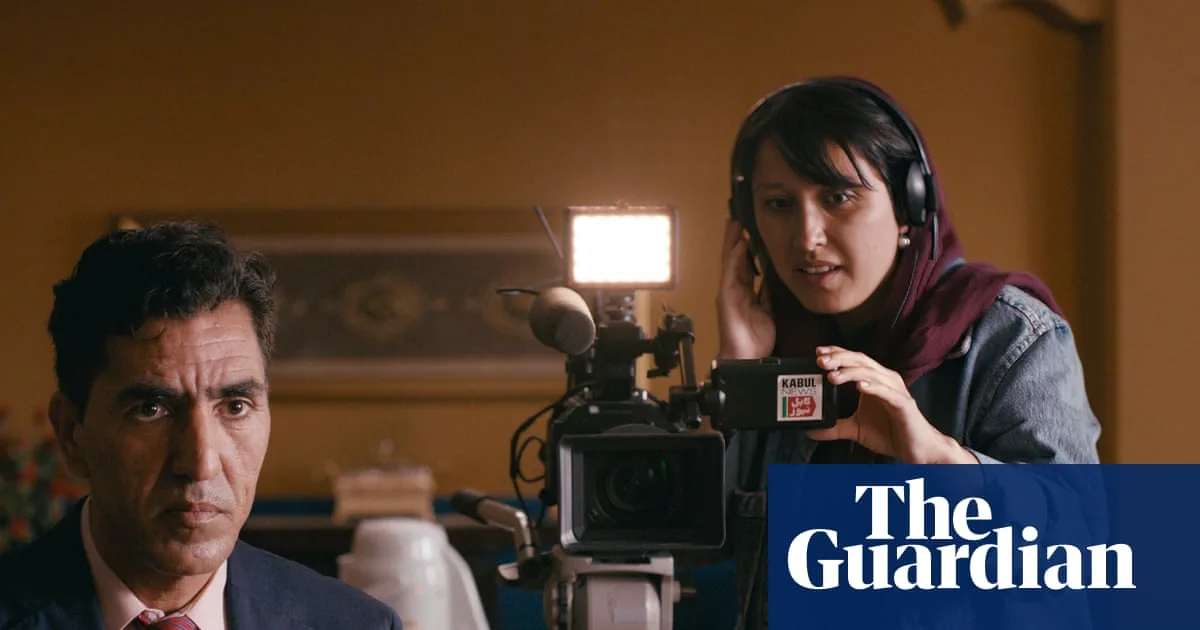
In No Good Men, Sadat plays Naru, Kabul's only female cameraperson at the main television station, who is separated from her cheating husband and fighting for custody of her three-year-old son. Initially confined to soft news assignments, Naru seizes an opportunity with a Valentine's Day feature that captures women's candid views about men.
Her talent is recognized by Qodrat, the station's most prominent journalist, who begins taking her into the field. As they document Kabul's final moments of relative freedom, a romantic spark ignites between them, leading Naru to question whether there truly are no good men in Afghanistan.
"It's really difficult to be a good man in Afghan society," Sadat noted. "You get bullied and mocked by other men who believe women are animals to be controlled. I wanted to make a love letter to all the good men I know."
Pushing Cinematic Boundaries
The film features several groundbreaking moments for Afghan cinema, including a sex toy gift scene and what Sadat believes is the first passionate onscreen kiss in the country's film history. For traditional Afghan audiences, she jokes these elements might make it feel more like "a horror film than a romcom."
Sadat also aimed to depict an urban woman much like herself: strong-willed, financially independent, and resisting the indignities of ultraconservative tribal society. Importantly, she pushes back against romanticising the democratic era, highlighting how patriarchal structures persisted even during Western occupation.
Overcoming Production Challenges
European film institutes initially hesitated to support a comedy about Afghanistan while women were protesting Taliban rule in Kabul's streets. "They asked 'how dare you?' and I responded 'how dare you stand against me?'" Sadat recalled, describing the situation as "a tragicomedy in itself."
Ultimately, she assembled funding from across Europe and filmed in Germany using an all-Afghan cast while on a temporary visa. Berlin festival director Tricia Tuttle personally selected No Good Men as the 76th edition's opener, passing the mantle from cinematic giants like Martin Scorsese and the Coen brothers.
Tuttle praised Sadat as "one of the most exciting voices in world cinema" who "risked so much to get this film made." The director's previous feature, Wolf and Sheep, won awards at Cannes in 2016, establishing her as a significant cinematic talent.
Despite anticipated censorship and traditional resistance, Sadat remains confident Afghans will seek out her film, even if they must watch it in fragments on platforms like TikTok. No Good Men stands as both a cinematic milestone and a powerful testament to resilience, humour, and human connection in the face of overwhelming adversity.