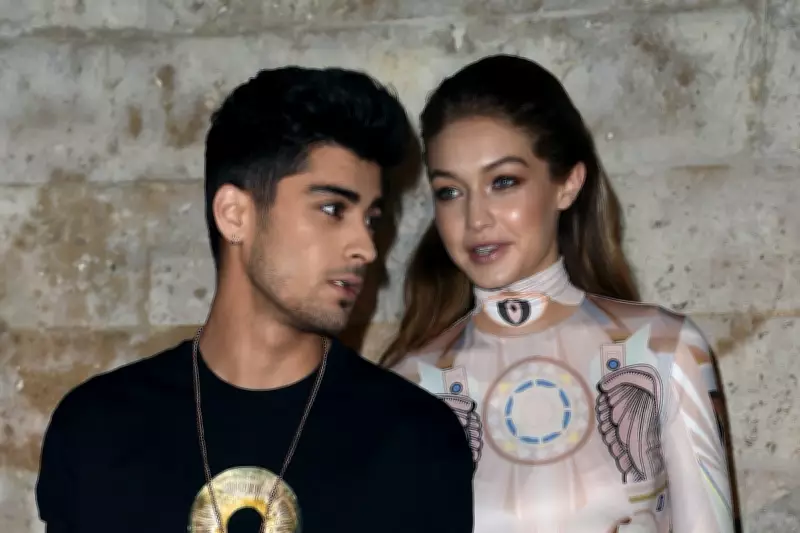
Zayn Malik's Honest Take on Love and Growth Sparks Controversy
The former One Direction star, Zayn Malik, has ignited a firestorm of debate after making a startling confession about his past relationship with supermodel Gigi Hadid. During an appearance on the podcast Call Her Daddy with host Alex Cooper, Malik revealed that he does not believe he was ever truly in love with Hadid throughout their six-year on-and-off romance from 2015 to 2021.
The Backlash and Public Reaction
Malik's comments have drawn heavy criticism from fans and observers alike, with many labeling his statements as insensitive and unnecessary. The couple, who share a five-year-old daughter named Khai, ended their relationship in a messy and toxic manner after Malik got into an altercation with Hadid's mother, Yolanda. Sources report that Hadid, who has since moved on with actor Bradley Cooper, was blindsided by Malik's public declaration.
Social media platforms have been flooded with reactions, with one user writing, "Imagine Gigi sitting at home hearing that her 20s were basically a 'misunderstanding' of his feelings. There is being honest with yourself, and then there is being unnecessary." Another commented, "This is a terrible thing to say publicly about someone you were with for six years."

A Deeper Look at Malik's Perspective
Despite the backlash, Malik's remarks offer a nuanced perspective on love and personal growth. He explained, "Maybe it was lust, maybe it was this, maybe it was that. I don't feel like it was love." This is not the first time Malik has expressed such sentiments; he previously confessed to having never "truly been in love" on the Zach Sang Show in 2024.
Malik emphasized that his understanding of love is constantly evolving, stating, "At that moment in time, I might have thought it was love, but as I've got older, I've realised maybe it wasn't." He clarified that he still loves Hadid "a crazy amount" as the mother of his child, but not in a romantic sense, adding, "Otherwise, I would have been a better version of myself."
The Broader Conversation on Love and Maturity
Malik's honesty has sparked a wider discussion about emotional maturity and the changing nature of relationships over time. Many individuals can relate to looking back on past relationships and realizing that their feelings were not as deep as they once believed. This introspection often stems from personal growth and healing, as people learn to distinguish between love, lust, and dependency.
A new study by researchers at the Kinsey Institute, published in Interpersona, supports this idea. The study found that most people fall in love twice in their lifetime, challenging the notion of a single soulmate. Key findings include:
- 30.3% of people have been in love twice.
- 27.8% have experienced it once.
- 16.8% have felt romantic euphoria three times.
- 14.2% have never been in love.
- 11% have been in love four or more times.
This data highlights that love is not a static emotion but one that evolves with personal development. As individuals grow, their needs and expectations in relationships shift, often leading to a reevaluation of past connections.
Personal Reflections on Love and Self-Discovery
Like Malik, many people have had to make sense of their romantic histories to embrace healthier love. For some, this involves recognizing patterns driven by insecurity or a need for approval. Relationships that once felt all-consuming may later be viewed through a lens of clarity, revealing underlying issues such as co-dependency or fear of abandonment.
The journey toward self-love and acceptance often requires introspection and therapy, allowing individuals to understand their role in relationship dynamics. As one reflects on past partners, the definition of love can transform from intensity and obsession to calm and mutual respect.
Ultimately, Malik's confession, while controversial, underscores a universal truth: love is a complex and evolving experience. His willingness to speak his truth, despite criticism, encourages a broader conversation about emotional honesty and growth in modern relationships.