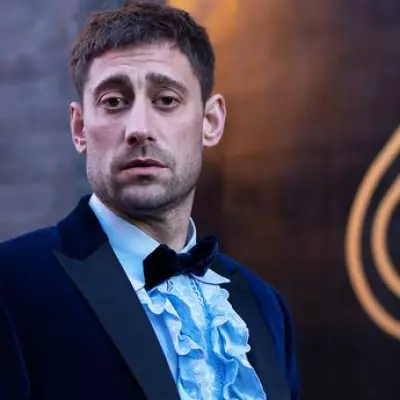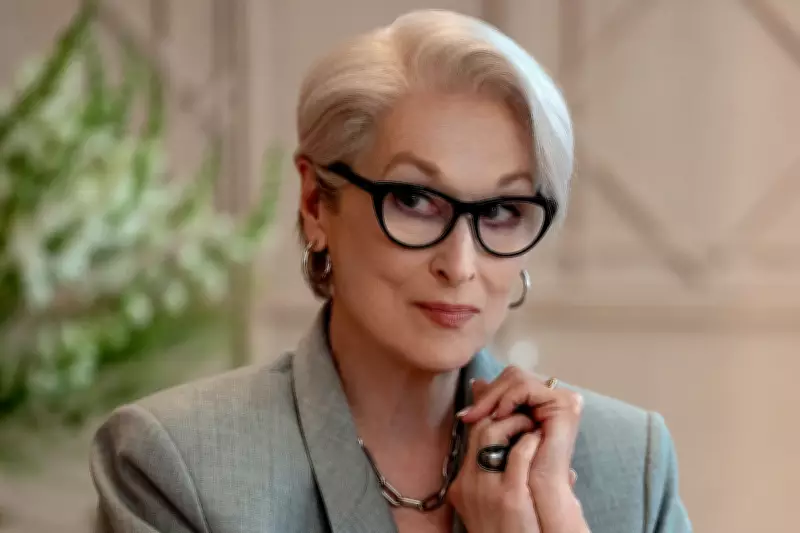
The Devil Wears Prada 2, the long-awaited sequel to the 2006 fashion satire, has surprised critics with its sharp commentary on contemporary journalism, despite a marketing campaign that suggested otherwise. Meryl Streep returns as the formidable Miranda Priestly, editor-in-chief of Runway magazine, in a film that balances humour, fashion, and a biting critique of the media industry.
A Sequel That Defies Expectations
While the film's promotional material focused on product placements, Diet Coke cans, and Anne Hathaway's flowing hair, the actual movie tackles serious themes. The plot follows Andy Sachs (Hathaway), now a writer at the prestigious New York Vanguard, who is made redundant via text message. She returns to Runway to manage a scandal where the magazine unknowingly praised a sweatshop brand. However, Andy's earnest apology goes largely unread in an era of doomscrolling and short attention spans.
Strong Performances and Social Commentary
Streep delivers a powerful performance, notably in a climactic scene where she lambasts an investor (BJ Novak) over AI's encroachment into media, calling it an affront to human achievement. Emily Blunt shines as Emily, who has left journalism for the commercial world, delivering sharp one-liners. Stanley Tucci's Nigel faces budget cuts, while Kenneth Branagh appears as Miranda's supportive spouse. The film's conclusion is bittersweet, acknowledging that job security remains precarious.

Fashion and Style
Costume designer Molly Rogers replicates the first film's aesthetic with corsets, white shirts, and T-bar necklaces. Peripheral characters showcase Richard Quinn florals and Lady Gaga's Tim Burton-inspired performance, blending artistry with commerce.
Directed by David Frankel and written by Aline Brosh McKenna, The Devil Wears Prada 2 is a compromise between entertainment and critique, offering more depth than its marketing suggests. In cinemas from 1 May.