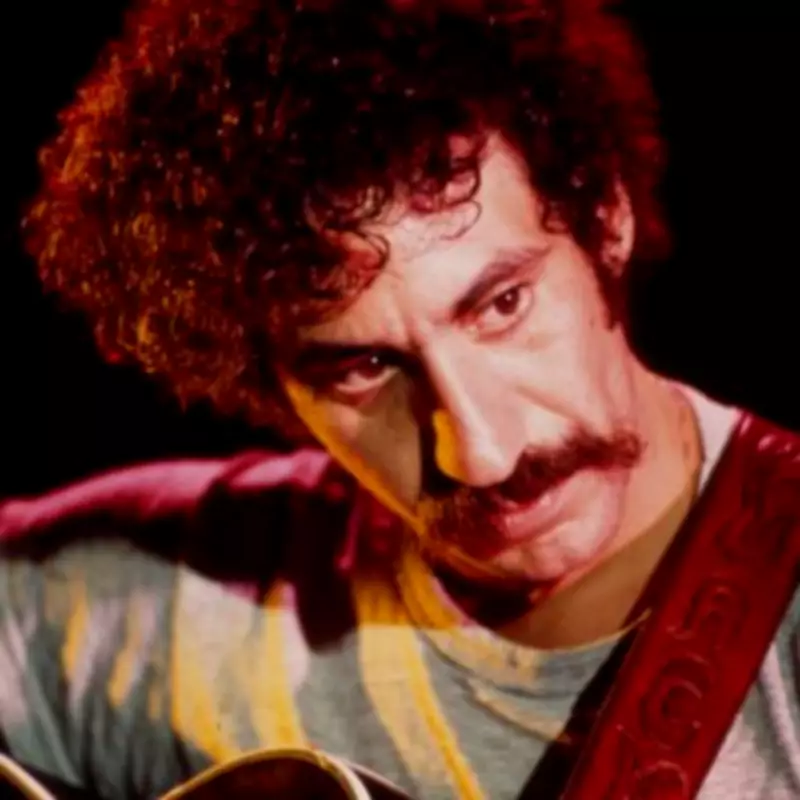
The Final Performance and Fatal Flight of Jim Croce
In September 1973, Jim Croce was on the cusp of superstardom. The singer-songwriter had recently achieved a number one hit with Bad, Bad Leroy Brown, a track that continues to garner millions of streams today. He was actively working on his third album and wrapping up an extensive tour across Europe and the United States. Tragically, less than an hour after leaving the stage at a college campus in Louisiana, Croce perished in a devastating plane crash on September 20, 1973.
A Sudden Decision with Dire Consequences
Originally scheduled to stay overnight in Louisiana, Croce and his entourage made a last-minute decision to depart early for their next show in Texas. They contacted pilot Robert N Elliott, who was resting at a hotel, to arrange the flight. The urgency behind this change remains unclear, but a poignant letter Croce sent to his wife, Ingrid, just before his death hinted at his growing weariness from touring and deep longing for his family, including their one-year-old son. Ingrid received this heartfelt correspondence a week after the fatal accident.
Eyewitness Accounts of a Fatigued Pilot
Reporters investigating the crash uncovered disturbing details about the pilot's condition prior to takeoff. Witnesses described Elliott as appearing dishevelled and exhausted. He had reportedly walked and run most of the way to the airport, covering approximately three miles, before police offered him a ride. Jerry Pierce, who attended the show and was director of the university's news bureau at the time, recounted to the Shreveport Times that Elliott looked rattled, hot and sweaty, as if he had been hit by a truck. Many believe this physical state may have been a critical factor in the subsequent disaster.

The Catastrophic Crash and Its Aftermath
The aircraft barely ascended before striking a tree near the end of the runway and crashing, resulting in the instantaneous deaths of all on board: Croce, his talented guitarist, the show-opening comedian, his agent, and the pilot. Dan McDonald, a student reporter at the scene, described the wreckage as resembling a bomb impact, with a debris field indicating the immense force of the collision.
Posthumous Success and Lasting Legacy
In a bittersweet turn, Croce's single I Got a Name was released as planned the day after the crash, climbing into the Top 10. Another single, Time in a Bottle, was re-released and soared to number one, making it only the third posthumous chart-topper after classics by Otis Redding and Janis Joplin. His album You Don't Mess Around With Jim also reached the pinnacle of the album charts, maintaining its position for five weeks. Croce was posthumously inducted into the Songwriters Hall of Fame in 1990, and his son, AJ Croce, has since followed in his footsteps as a respected singer-songwriter, preserving the family's musical heritage.