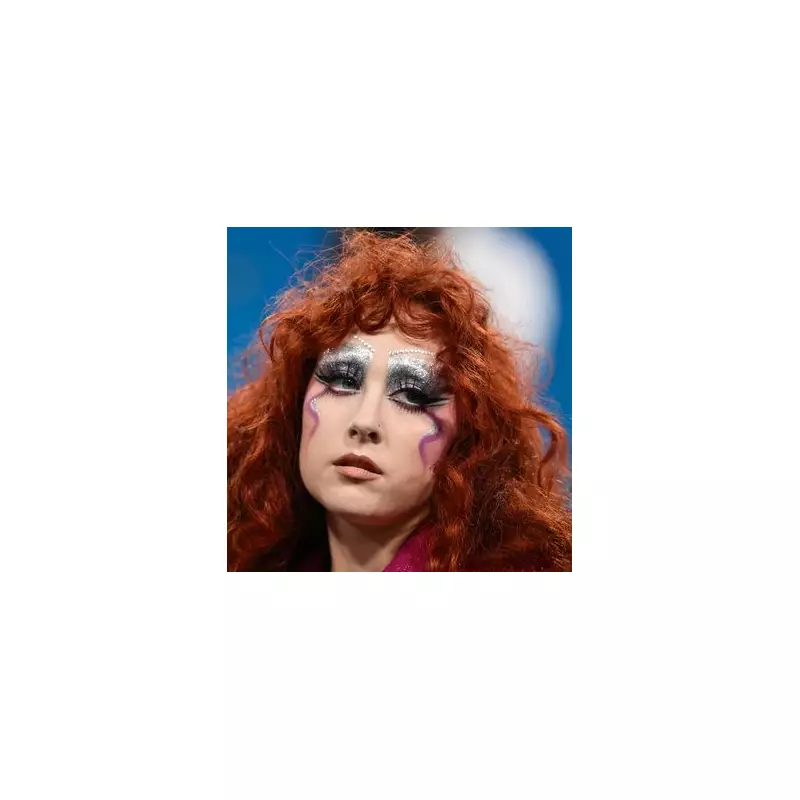
American pop singer Chappell Roan has performed a rapid and very public U-turn on her admiration for the late French icon Brigitte Bardot, after learning of the actress's history of making bigoted and inflammatory statements.
A Swift Social Media Reversal
Following the announcement of Bardot's death on 28 December 2025 at the age of 91, Chappell Roan, whose real name is Kayleigh Rose Amstutz, initially paid tribute on social media. The 27-year-old credited Bardot as the inspiration for her song 'Red Wine Supernova', writing: "She was my inspiration for red wine supernova. Rest in peace Ms. Bardot."
However, the singer's homage was quickly met with a flood of responses from followers who pointed out Bardot's well-documented controversial views. These included her arrest in the 2000s for inciting racial hatred and derogatory comments about homosexuals, whom she labelled "fairground freaks" in her 2003 book, A Scream in the Silence.

"Holy s**t I did not know"
Confronted with this information, Chappell Roan took to her Instagram Stories to issue a stark retraction. "Holy s**t I did not know all that insane s**t Ms. Bardot stood for obvs I do not condone this. Very disappointing to learn," she declared, distancing herself entirely from the late star's personal beliefs.
Bardot, who rose to global fame in the 1957 film And God Created Woman, was widely celebrated as a feminist trailblazer and style icon. She later retreated from public life to focus on animal rights activism, founding the Brigitte Bardot Foundation, which confirmed her death after a brief illness.
Hollywood Pays Respects Despite Controversy
The news of Bardot's passing prompted tributes from numerous celebrities, including Sofia Vergara, Christie Brinkley, Lindsay Lohan, and Kelly Rowland, who largely focused on her legacy as a film star and beauty icon.
Bardot's personal life was as storied as her career; she was married four times, first to director Roger Vadim, and later to actor Jacques Charrier, with whom she had her son, Nicolas-Jacques. She famously turned down the role of a Bond girl in 1969's On Her Majesty's Secret Service.
Chappell Roan's very public reassessment highlights the modern tension between celebrating an artist's legacy and reconciling it with their personal, often problematic, views—a reckoning that now plays out in real-time on social media.