Rosanna Arquette Reveals She Was Excluded from Pulp Fiction's Lucrative Profits
Actress Rosanna Arquette has made a startling revelation about her involvement in the iconic 1994 film Pulp Fiction. According to Arquette, she stands as the only cast member who did not receive a share of the movie's substantial box office earnings, despite the film's massive financial success.
The Financial Details of an Independent Blockbuster
Quentin Tarantino's groundbreaking film was produced on a modest budget of just $8 million. However, it defied expectations to become both a critical darling and a commercial juggernaut, ultimately grossing over $213.9 million worldwide. The cast, which included major Hollywood stars like Bruce Willis and John Travolta, agreed to significantly reduced salaries for this independent project.
Bruce Willis famously slashed his usual $10 million fee to a mere $800,000, with other actors following similar patterns. In exchange for these salary concessions, the performers were contracted to receive a percentage of any profits the film generated—a common arrangement in independent cinema that can prove highly lucrative when a film succeeds beyond expectations.

Arquette's Role and Exclusion
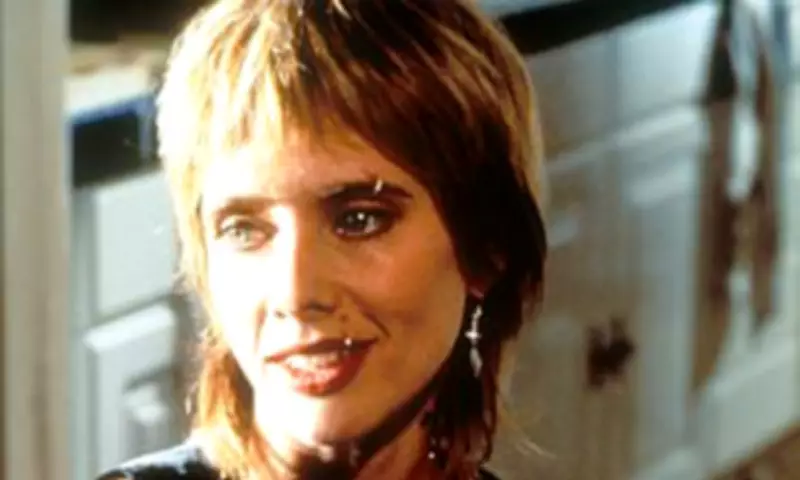
Arquette, now 66, played a minor but memorable role in the film as the wife of Eric Stoltz's drug dealer character. Despite her participation in the production, she has now disclosed that she was excluded from the profit-sharing arrangement that benefited her fellow cast members.
'I'm the only person who didn't get a back end [a share of the takings]. Everybody made money except me,' Arquette told The Sunday Times Magazine in a recent interview. She does not place blame on director Quentin Tarantino for this financial exclusion, instead pointing to producer Harvey Weinstein as the architect of her exclusion from the cast's profit deal.
The Weinstein Connection and #MeToo Allegations
Harvey Weinstein, currently serving a 16-year prison sentence for rape, sexually harassed Arquette in the early 1990s at the Beverly Hills Hotel. Arquette stated she was 'fortunate because I was not raped' but emphasized that she 'paid a price for saying no, and later I paid a price for telling the truth.'
Arquette was among dozens of women who accused the disgraced producer of sexual misconduct during the #MeToo movement in late 2017. These allegations ultimately contributed to Weinstein's 2022 conviction for sexual assault. The actress suggests her exclusion from Pulp Fiction's profits may have been retaliation for resisting Weinstein's advances.
Conflict with Tarantino Over Language
In the same interview, Arquette criticized Tarantino for his extensive use of racial slurs in the film, particularly the N-word, which appears approximately twenty times throughout the screenplay. 'Personally I am over the use of the N-word - I hate it,' Arquette declared. 'I cannot stand that [Tarantino] has been given a hall pass. It's not art, it's just racist and creepy.'
Tarantino responded strongly to these criticisms in a statement to the Daily Mail. 'I gave you a job, and you took the money,' the director stated pointedly. He questioned Arquette's motivations for criticizing the film more than three decades after its release, suggesting her comments showed 'a decided lack of class, no less honor.'
The Director's Defense of Artistic Collaboration
Tarantino emphasized what he called 'an esprit de corps between artistic colleagues'—a French phrase referring to the common spirit that inspires enthusiasm and devotion among group members. The director implied that Arquette had violated this unspoken code by publicly criticizing a project she had once been enthusiastic to join.
The conflict highlights ongoing tensions in Hollywood regarding profit participation, creative expression, and the lasting impacts of the #MeToo movement on industry relationships and financial arrangements from decades past.