The Last Kings of Hollywood: An Epic Tale of Spielberg, Lucas, and Coppola
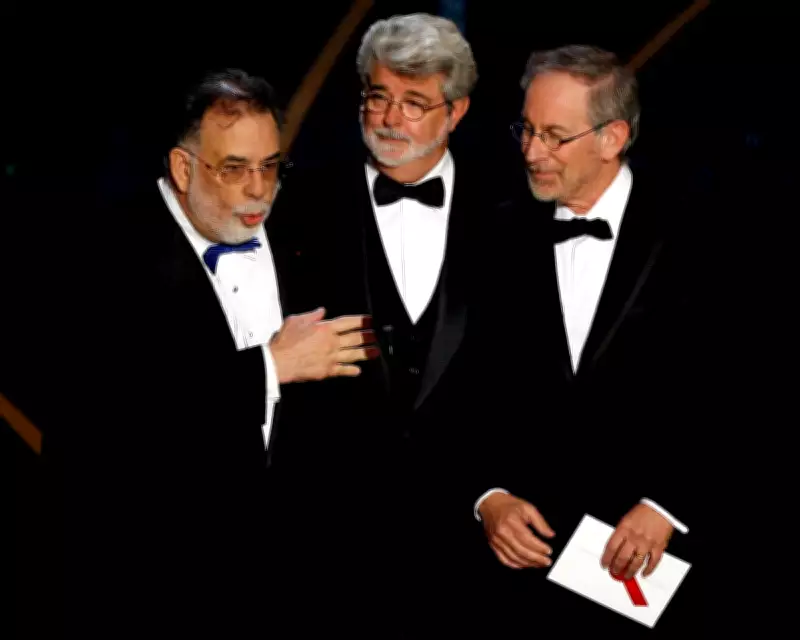
In the annals of American cinema, few figures loom as large as Steven Spielberg, George Lucas, and Francis Ford Coppola. Paul Fischer's new book, The Last Kings of Hollywood, delves into their monumental rise and reign, offering a fresh perspective on how these three demigod directors reshaped the film industry through their pursuit of independent freedom.
The New Hollywood Era: A Revolution in Filmmaking
The story begins in the 1960s and 70s, a period known as the New Hollywood, which emerged from the ashes of the old studio system. This era was fueled by the French New Wave, American counterculture, and a spirit of entrepreneurial risk-taking. Unlike previous accounts, such as Peter Biskind's Easy Riders, Raging Bulls or Mark Harris's Scenes from a Revolution, Fischer's book centers on a pivotal moment: 16 November 1977.
On that day, a private plane carried Spielberg, Lucas, and Coppola from Los Angeles to Washington DC for a reception hosted by President Jimmy Carter and First Lady Rosalynn. Using diary recollections from Coppola's wife, Eleanor, Fischer paints a vivid picture of these young directors—aged 30, 33, and 38—already global icons yet feeling disoriented by their fame.

Defining Masterpieces and Industry Shifts
By 1977, each director had achieved staggering success. Coppola had crafted The Godfather and its sequel, legitimizing franchises. Spielberg had unleashed Jaws, inventing the event movie, and was about to release Close Encounters of the Third Kind. Lucas was on the cusp of box office dominance with Star Wars, a film that would redefine sci-fi and marketing strategies.
Fischer highlights how their backgrounds shaped their work: Coppola and Scorsese faced immigrant struggles, Lucas dealt with depression and possible undiagnosed autism, and Spielberg encountered antisemitism. Yet, they were spared the sexism that hindered female colleagues like Stephanie Rothman and Nancy Dowd, underscoring the era's gender inequalities.
The Quest for Indie Freedom and Studio Dreams
A unifying theme was their yearning for independent freedom. Coppola's Zoetrope Studios became an anarchic, creative hub, while LucasFilm focused on technological innovation and financial discipline. Spielberg later founded DreamWorks, though it lacked the mythic status of the others. Fischer explores how each director navigated the balance between artistic vision and commercial pressures.
Notably, Lucas's predictions about technology, such as laser discs foreshadowing short-form content like TikTok, often baffled Spielberg. Lucas's sale of Lucasfilm's graphics division to Steve Jobs in 1986 exemplified his drive to turn visions into reality, yet he never directed outside the Star Wars universe, unlike Coppola and Spielberg, who continued producing diverse works.
Battles and Legacies in Hollywood's Soul
Fischer's narrative raises the question: who won the battle for Hollywood's soul? Spielberg, with his mainstream appeal, likely emerged victorious, while Lucas became the franchise king. Coppola remained closest to indie ethos, self-funding projects like Apocalypse Now. The book also touches on key moments, such as the disastrous reception of THX 1138, which taught Lucas and Coppola harsh lessons about studio interference.
However, Fischer's account is critiqued for focusing too narrowly on these three figures, with limited analysis of broader forces like the impact of Heaven's Gate on the industry's golden age. Despite this, The Last Kings of Hollywood offers a readable, fan-driven exploration of their lives, blending personal anecdotes with historical context to illuminate their enduring influence on American cinema.