The Wuthering Heights Effect: How Romance Fiction Saved My Life
With Emerald Fennell's adaptation of Emily Bronte's windswept classic Wuthering Heights shattering box office records and A Woman of Substance poised to debut on screens, Kate Steele explores why tales of the human heart are essential reading during dark periods—and why they possess far greater depth than many assume.
Why Is Everyone Embracing Wuthering Heights Now?
Last year, I began devouring romance novels—one after another, in rapid succession. Having rarely touched the genre before, aside from teenage readings of Pride and Prejudice, I found myself in my mid-fifties consuming author after author as if my sanity hinged on it. This reading spree started as an instinctive response to personal struggles at work and home, but it swiftly transformed into an act of resistance against a bleak world.
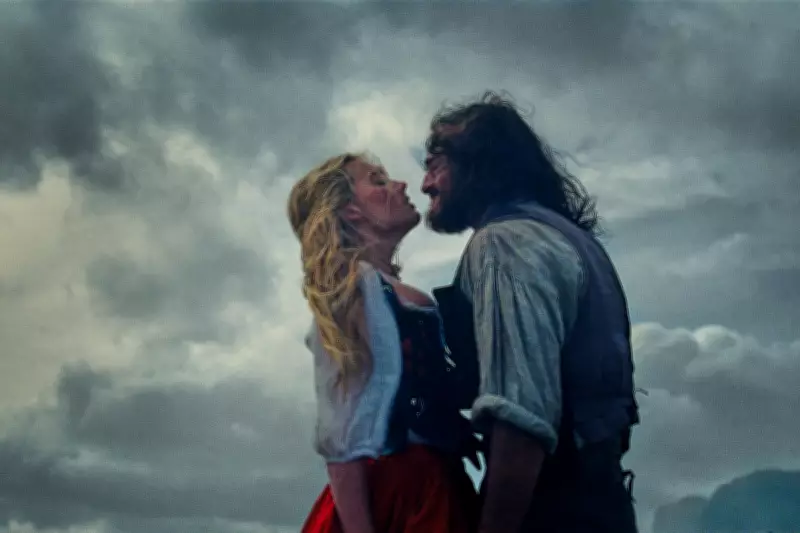
In an era marked by war, the Epstein files, global rollbacks of women's rights, deepfake pornography, abuse, and drink spiking—where The Handmaid's Tale reads like a grim instruction manual—romance novels offered a glimpse of a world where women's happiness and pleasure are taken seriously. It's no surprise that Emerald Fennell's intensely personal take on Wuthering Heights, centering on a sexually charged Cathy and Heathcliff, has achieved global box office success, securing the biggest opening in the US this year.

This trend was predictable following the phenomenal success of Shonda Rhimes's Netflix series Bridgerton, based on Julia Quinn's books, which reached over 82 million households worldwide. Next week, Channel 4 will launch its major new show A Woman of Substance—the 1984-85 adaptation of Barbara Taylor Bradford's novel remains the most-watched drama in the channel's history.
A Thirst for Romance That the Market Recognises
There is an undeniable thirst for romance, a fact the market has signalled for some time. As a genre, romance consistently outsells all others, generating $1.4 billion (£1.05 billion) in annual revenue in the US alone during 2024. While male-dominated culture sections might overlook this, a glance at BookTok or someone's Kindle reveals what truly sells.
The literary descendants of Jane Austen—women writing primarily for other women—are thriving, earning substantial incomes and driving sales. Yet, even as romance dominates financially, it often faces dismissal. It's joked about as fairy porn, tentacle smut, or chicklit, receiving lukewarm reviews from snobby critics because it refuses to adhere to the patriarchal norms governing our world.
Romance places women's desires at the forefront, making their wants important and seriously considered. Some may dislike this shift, but these books repeatedly demonstrate why centering women's experiences benefits everyone.
Confronting Darkness Within the Pages
Modern romance novels do not shy away from contemporary darkness. Themes like domestic violence, addiction, the impacts of global wars, racism, ableism, bereavement, and late-stage capitalism are explored within their pages. Solutions are never as simple as a white dress and a ring; characters must work on themselves—communicating, resolving conflicts, admitting mistakes, and apologising.
A key element in much modern storytelling is the concept of home and safety, depicted through mountain cabins, cute cottages, empowering urban new builds, sexy penthouse apartments, and scenic views. Even Elizabeth Bennet began falling for Mr Darcy at Pemberley. For those new to the genre, Marian Keyes offers groundbreaking stories that evoke both tears and sighs—start with her Walsh Sisters series, now adapted for TV, though with more drama than romance.
The Rise of Romantasy and Empathetic Escapism
So-called romantasy, often dismissed as fairy porn, has seen explosive success in recent years. If our world feels broken, why not reimagine societies and find lovers in distant galaxies, netherworlds, or through timeslips? These narratives feature non-human lovers—werewolves, vampires, aliens, or monsters—reflecting that the real monsters in our world are human, frightening, and powerful.

Dominic Sandbrook, on his new literary podcast The Book Club, highlighted romantasy's ability to foster joy and empathy. He noted that while social media reflects our own subjectivity, these books transport readers beyond themselves.
Evolving Diversity and Inclusivity
For years, romance, like many genres, lacked diversity in authors and characters, often centering white, heterosexual narratives where happy endings meant weddings and children. While Jilly Cooper's Rivals on Disney+ offered nostalgic Thatcherite Eighties charm, modern romance now showcases richer experiences.
Yes, many books still idealise male beauty with six-packs and square jaws, featuring firefighters, detectives, and broken billionaires. But they also include nurses, craft brewers, physicists, single dads, coders, and even men who shapeshift into the Loch Ness monster. The global success of Rachel Reid's televised Heated Rivalry shouldn't have shocked the film and TV industry, yet it did.
Romance's predominantly female readership seeks passion—stories like two men falling in love while navigating a closeted, aggressively heterosexual world hit all the right tropes. Readers crave yearning, connection, and hot sex. At their core, these stories are about being loved and accepted for who you truly are, not who society dictates.
Jane Austen's Emma Woodhouse and Elizabeth Bennet are complicated, difficult women loved precisely for those qualities. Often overlooked, these couples exist within wider communities—families, friendship groups, or found families that love and support them, proving that society does indeed exist.
A Personal Lifeline in Sniper's Alley
They call your fifties sniper's alley, and last year, I faced it all: bereavement, illness, redundancy. It wasn't the 2025 I anticipated, but romance novels helped me through. Romance centres love—for partners, friends, family, even pets. It's about people coming together, however flawed or messy, in a world of AI-generated slop. In 2026, that's radical.