Cambridge Students Unearth Viking-Era Execution Pit Near Major UK City
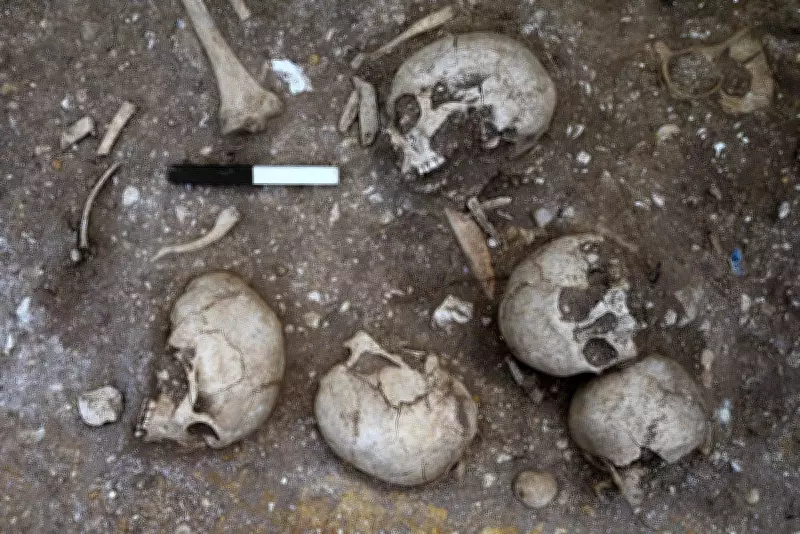
Cambridge University students participating in a training excavation have made a chilling discovery near Cambridge, unearthing a Viking-era mass grave that dates back to the 9th century AD. The site, described as an "execution pit," contains the dismembered remains of at least 10 individuals, shedding light on a period of intense conflict and violence in the region.
Gruesome Findings and Historical Context
The mass grave revealed a mix of fully articulated skeletons and dismembered bones, indicating that the victims likely suffered "terrible violence and perhaps an execution." Archaeologists from the Cambridge Archaeological Unit, led by experts like David Matzliach, believe this burial is directly linked to the fierce conflicts between Saxons and Vikings. During this era, Cambridgeshire served as a frontier zone, making it a hotspot for such brutal encounters.
One of the most striking discoveries was the remains of an "extremely tall" man, estimated to be between 17 and 24 years old, who stood at 6 feet 5 inches tall. This height is significantly above the average for the period, suggesting he may have had a hormone-related growth condition, such as gigantism. Further analysis of his skull revealed evidence of trepanation, an ancient form of brain surgery, which researchers speculate was performed to alleviate headaches caused by his condition.

Implications for Understanding Viking Age Britain
This find provides valuable insights into the violent dynamics of Viking Age Britain. The mass grave not only highlights the execution practices of the time but also offers clues about medical knowledge and societal treatment of individuals with unusual physical traits. The presence of both dismembered and intact remains suggests a complex burial process, possibly reflecting different methods of violence or post-mortem rituals.
As archaeologists continue to study the site, they hope to uncover more details about the identities of the victims and the specific historical events that led to their deaths. This discovery underscores the importance of student-led excavations in contributing to our understanding of Britain's ancient past, revealing stories of conflict, survival, and human resilience.