Toni Morrison's Defiant Legacy: A Beacon of Literary Complexity
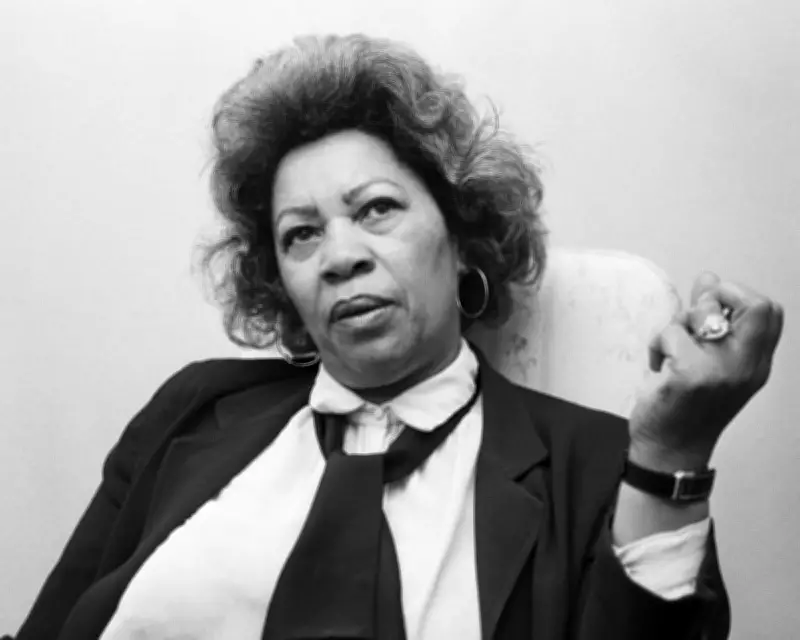
In the annals of literary history, few figures stand as boldly as Toni Morrison, whose 1985 portrait in New York captures a woman unyielding in her artistic vision. As the sole black female writer to ever receive the Nobel Prize in Literature in 1993, Morrison carved a path defined by defiance and depth, shaping contemporary thought across literature, politics, and ethics. Her work, celebrated yet often deemed challenging, invites readers into a world where difficulty is not a flaw but a profound statement of integrity.
The Many Facets of Difficulty in Morrison's World
Difficulty manifests in myriad forms—demanding, stubborn, or illegible—and for black womanhood, these overlaps are particularly pronounced. Morrison herself was frequently labeled difficult, a term she embraced with relish. In a revealing 1981 Vogue profile, she retorted to a reader struggling with black culture in her books by comparing it to the archaic challenges of Beowulf, showcasing her sharp wit and impatience with ignorance. This personal and literary difficulty was often misconstrued as a moral failing, yet it underscored her commitment to authenticity.
Balancing multiple roles as an editor, professor, writer, critic, and public intellectual, Morrison faced the strain of juggling careers while raising two sons as a single mother. She noted the inherent selfishness perceived in prioritizing writing, especially for women, and the added stigma when race intersected with gender. Her decision to keep her novel-writing secret at her first publishing job until The Bluest Eye's release exemplifies her wilful independence, a trait that both isolated and empowered her.

Championing Black Women Artists and Defying Classification
Morrison found joy in the difficulty of fellow black women artists, such as novelist Gayl Jones and jazz pianist Mary Lou Williams, viewing their perceived complexity as a testament to their art's seriousness. To engage with Morrison's work requires grappling with the intricate knot of race and gender she shared with them. In a 1971 New York Times op-ed, she highlighted how black women consistently defy classification, making them a challenging yet rich subject for exploration.
Her childhood stories from Lorain, Ohio, subverted standard American race narratives, with tales of her father's defensive racism and her mother's integration efforts. Similarly, personal reflections on mixed-race family dynamics, including moves between Zambia, the UK, and the US, reveal moments of racial absurdity that echo Morrison's own experiences. Both she and the author of this piece, despite disparate backgrounds, share a privilege of zooming out from race, perhaps explaining their reluctance to capitalize black in writing—a gesture that concedes too much.
The Core of Morrison's Difficulty: A Commitment to Black Aesthetics
Ultimately, Morrison's difficulty stemmed not from a prickly personality or intersectional identity but from her dedication to reflecting the sophistication of black aesthetics, akin to jazz, which she described as very complicated and difficult. Her friend Fran Lebowitz noted upon Morrison's 2019 passing that her experimental writing was often overlooked due to biases about her race and gender, with critics reducing her work to sociology rather than rigorous art.
Despite her acclaim, Morrison faced dismissal from some quarters, with rumors of a black woman novelist opposing Beloved's National Book Award or white colleagues labeling it sentimental without recognizing intentional effects. Black male scholars sometimes joked about plot theft or questioned her motherhood, highlighting the myriad ways she incensed people by daring to be a serious black artist demanding engagement on her own terms.
Aspirations for Freedom in Difficulty
It was never easy to be Toni Morrison, yet her legacy inspires a yearning for the freedom to embrace difficulty. She embodied a defiance that challenges readers to move beyond superficial labels and engage deeply with art. This edited extract from On Morrison by Namwali Serpell, published by Chatto & Windus, underscores her enduring impact on how we think, read, and live.