Sydney's Powerhouse Museum Wran Building Demolition Sparks Heritage Outrage
Sydney's Powerhouse Museum Demolition Sparks Heritage Outrage

Sydney's Powerhouse Museum Wran Building Demolition Sparks Heritage Outrage

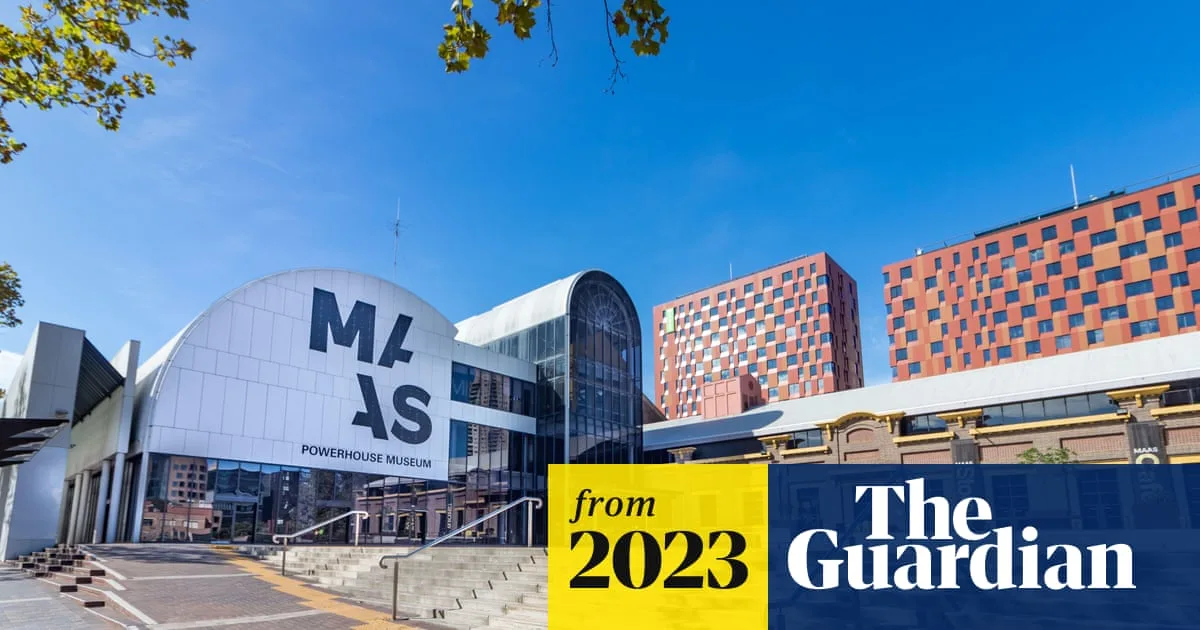
The quiet dismantling of one of Sydney's most recognisable cultural landmarks has ignited a firestorm of public anger and grief across Australia. The iconic Wran Building at the Powerhouse Museum Ultimo is being systematically stripped back after nearly four decades of standing as a beloved architectural centrepiece, leaving Sydneysiders confused and devastated by the loss.

Architectural Heritage Disappearing Before Our Eyes

Demolition crews have already removed much of the roof and sections of the building's signature steel ribs, which once defined the soaring arched interior that generations of visitors cherished. As original steel sheeting is peeled away, critics warn that a cultural icon is vanishing to be replaced by what many fear will be a diluted version of the museum, all at a staggering cost to taxpayers.

'This was my favourite place… I'm glad I took the kids once before we lost it,' one heartbroken resident wrote on social media, capturing the emotional response sweeping through communities who grew up visiting the landmark.

Government Defends Modernisation Amidst Heritage Concerns

The Minns government has defended the controversial move, arguing the site must be rebuilt to meet modern standards and safety requirements. However, opponents remain devastated by what they see as an unnecessary destruction of heritage and valuable exhibition space that could have been preserved.

Under the $300 million redevelopment plan, significant internal elements within the heritage-listed Boiler House, Turbine Hall and surrounding structures will be removed. This includes walls, mezzanines and staircases, resulting in a net loss of dedicated exhibition areas that has alarmed museum professionals and the public alike.

Conflicting Narratives About Structural Integrity

Infrastructure NSW's head of projects, Bruno Zinghini, explained that the original intention had been to retain and reline the Wran Building's steel framework. However, construction firms involved in the tender process warned that the steel ribs installed in 1988 had reached what they described as the 'end of their life'.

'The heritage revitalisation will retain the iconic shape and form of the Wran and Galleria buildings while upgrading them for decades to come,' Mr Zinghini stated in an official release.

This explanation has been fiercely contested by those closest to the original design. Jennifer Sanders, former deputy director of the museum and widow of architect Lionel Glendenning, insists the building was constructed to the highest standards. She argues any deterioration resulted from years of neglected maintenance rather than structural failure.

'The 1988 Sulman award-winning museum was built to the highest standards… until the last few years when disrepair took hold,' she asserted, maintaining that a far cheaper repair would have preserved the landmark and spared taxpayers the burden of a complete rebuild.

Design Changes That Alter the Building's Essence

Sanders has also raised alarms about design modifications that will replace the Galleria's glass ends with brickwork. She warns this will erase the building's defining openness and natural light that made it so distinctive.

Former Powerhouse trustee Kylie Winkworth has echoed these concerns, stating bluntly that almost nothing of the original structure will survive the redevelopment. 'Not even a paint scrape of the 1988 building will remain,' she lamented, highlighting the comprehensive nature of the demolition.

Timeline Delays and Funding Uncertainties

The museum abruptly closed two years ago to facilitate the redevelopment, initially expected to reopen in 2027. That timeline has since extended considerably, with completion now forecast for late 2028 or early 2029. Final fit-out work may delay public access even further, prolonging the cultural absence from Sydney's landscape.

Internally, concerns have emerged about future funding arrangements, with NSW Treasury yet to allocate money for the new operational requirements at Ultimo. Some experts fear the site might be forced to pivot toward performances and events rather than exhibitions if costs continue to escalate.

Public Backlash and Emotional Responses

The backlash has been swift and deeply emotional, with Australians flooding social media platforms to mourn the loss of a place that held significant personal and collective memories. 'What!? I thought this had been saved?' one shocked commenter wrote, reflecting widespread confusion about the demolition's approval.

Others questioned the broader strategy behind the Powerhouse overhaul, particularly the decision to shift focus toward the new Parramatta site. 'What tourist will travel to Parramatta to see the Powerhouse?' another critic asked, adding that the relocation decision seemed 'crazy' from a cultural tourism perspective.

While some acknowledge the need for modernisation, many remain troubled by the approach. '[I] used to love this place but it's probably time for an upgrade,' conceded one fan, before adding, 'It's shocking to me the lack of attention being directed towards the net loss of exhibition space given the exorbitant price tag of this demolition and rebuild.'

Redevelopment Features and Community Reassurances

The redevelopment will reorient the museum's entrance toward the light rail line, introduce a cloistered garden and learning centre, and add a subterranean theatre and green room. Artisan studios will line Harris Street, while parts of the heritage-listed buildings will undergo extensive alterations.

Arts Minister John Graham has sought to reassure the public about the museum's future direction. 'When it reopens, the Powerhouse Museum Ultimo will continue to deliver an applied arts and sciences program,' he stated, adding, 'The community expectation for the Powerhouse Museum Ultimo is clear: they want a museum, not a nightclub. The government will respect that view.'

For countless Sydneysiders, however, these reassurances offer little comfort as they watch one of their city's most cherished cultural landmarks being dismantled piece by piece. The demolition represents not just the loss of a building, but the erosion of shared memories and architectural heritage that defined Sydney's cultural identity for nearly forty years.