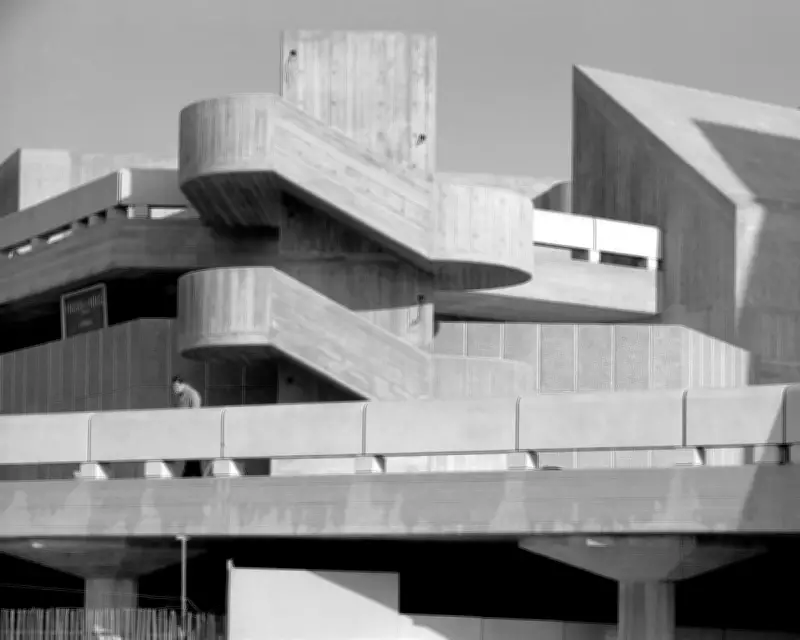
Southbank Centre's Brutalist Complex Secures Grade II Listed Status
In a significant move for architectural preservation, the Southbank Centre in London has been officially awarded Grade II listed status. This decision, announced by Historic England, recognises the cultural and historical importance of the centre's distinctive Brutalist buildings, which have become an iconic part of the city's skyline since their construction in the mid-20th century.
Architectural Significance and Historical Context
The Southbank Centre, located on the south bank of the River Thames, comprises several key structures, including the Royal Festival Hall, the Queen Elizabeth Hall, and the Hayward Gallery. These buildings, primarily constructed from exposed concrete, exemplify the Brutalist architectural style that gained prominence in post-war Britain. The listing covers the entire complex, ensuring that its unique design elements and material use are protected from unsympathetic alterations or demolition.
Brutalism, derived from the French term "béton brut" meaning raw concrete, emphasises functionality, geometric forms, and a honest expression of materials. The Southbank Centre's architects, including Sir Leslie Martin and the team at the London County Council, designed the site to serve as a cultural hub for the public, hosting concerts, exhibitions, and festivals. Over the decades, it has played a pivotal role in London's artistic and social life, attracting millions of visitors annually.

Implications of the Grade II Listing
The Grade II designation means that any future changes to the Southbank Centre's buildings will require careful consideration and approval from local planning authorities. This protection aims to maintain the architectural integrity of the site while allowing for necessary updates to meet modern standards. For instance, renovations to improve accessibility or energy efficiency must now be carried out in a way that respects the original Brutalist aesthetic.
Historic England highlighted that the listing acknowledges not only the architectural merit of the Southbank Centre but also its contribution to Britain's cultural heritage. The organisation noted that Brutalist structures have often faced controversy and threats of redevelopment, making this decision a victory for preservationists and architecture enthusiasts. It sets a precedent for other post-war buildings across the UK, potentially encouraging similar protections for at-risk sites.
Public and Expert Reactions
Reactions to the listing have been largely positive, with many praising the move as a step towards valuing modernist architecture. Experts in the field argue that the Southbank Centre represents a critical period in British design, reflecting the optimism and innovation of the post-war era. However, some critics of Brutalism have expressed concerns, citing the style's often divisive appearance and maintenance challenges associated with concrete structures.
Despite this, the Southbank Centre's management has welcomed the listing, stating that it will help safeguard the site's future while allowing it to continue evolving as a dynamic cultural venue. They plan to work closely with heritage bodies to ensure any developments align with preservation goals, balancing historical respect with contemporary needs.
Broader Impact on London's Architectural Landscape
This listing adds to a growing trend of recognising and protecting Brutalist architecture in London and beyond. Other notable examples, such as the Barbican Centre and Trellick Tower, have also received listed status in recent years, reflecting a shift in public appreciation for post-war design. The decision underscores the importance of preserving diverse architectural styles that tell the story of Britain's urban development.
As London continues to grow and modernise, the Southbank Centre's Grade II listing serves as a reminder of the value in maintaining historical landmarks. It ensures that future generations can experience and learn from these concrete monuments, which stand as testaments to a transformative era in British culture and construction.