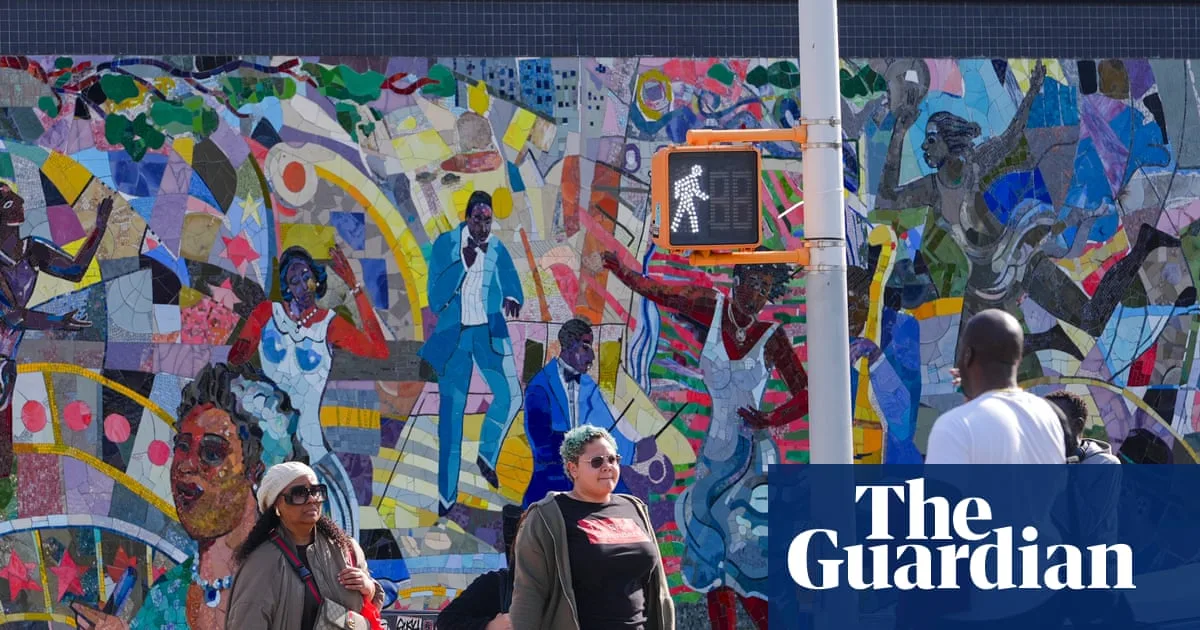
New York City's artist population has declined for the first time in decades, driven by a lack of affordable housing, according to a new report from the Center for an Urban Future. Since 2019, the number of artists in the city has fallen by more than 4%, marking what the report calls 'the first sustained decline in decades'.
Rowynn Dumont, a curator, painter, photographer and writer, moved to New York in 2017 but left for Philadelphia in summer 2025 after her rent in Bushwick, Brooklyn, rose from $2,300 to $3,800 between 2020 and 2025. She now pays $1,600 for a nicer apartment in Philadelphia, though she commutes 90 minutes twice a week to Manhattan for her doctorate. 'Bushwick is not nice,' she said. 'It's not worth the price.'
The report, based on US census data and a survey of New York artists, argues that the primary reason for the exodus is unaffordable housing. It calls on the new mayor, Zohran Mamdani, to commit to creating 5,000 affordable housing units for artists by 2030. The decline threatens not only galleries and venues but the city's cultural edge, said Eli Dvorkin, co-author of the report.

Certain neighbourhoods have been hit hard. The Upper West Side has lost nearly 32% of its artists over the past decade, while the Lower East Side and Chinatown have seen a drop of more than 55%. Meanwhile, other cities have gained artists: Philadelphia's artist population has grown by 8% since 2019, and Nashville's by 19%.
Other US cities have built over 2,800 affordable artist housing units in the last decade, with another 1,200 in the pipeline. But New York has not built any artist-preference units since 2015, partly due to concerns about fair-housing laws and optics. Danny Darress, a 26-year-old pianist, moved to Los Angeles in October 2025 after struggling with high costs and poor conditions in West Harlem.
The report warns that if the trend continues, it will have ripple effects across the entire city. 'There's nothing that gives New York its magnetism, its appeal, its boundless sense of innovation and inspiration, quite like the cultural sector,' Dvorkin said, adding that it faces 'serious new threats today, in large part due to an affordability crisis.'