Archaeological Breakthrough Reveals Rhynie as Pictish Royal Power Hub
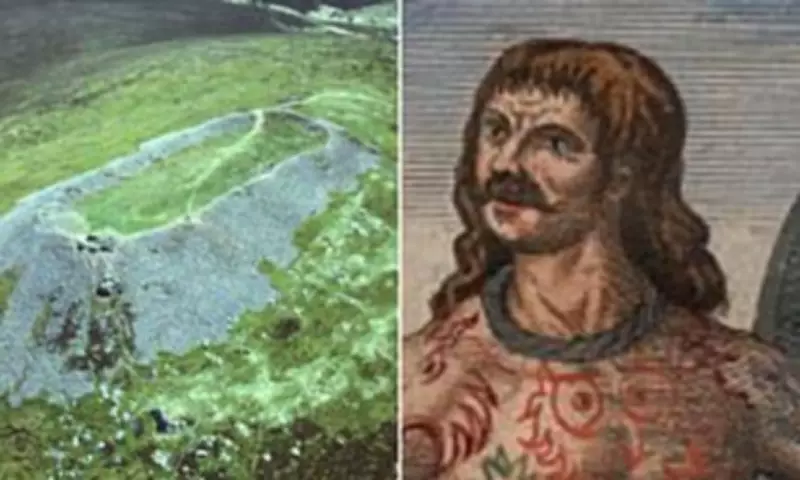
Deep within rural Aberdeenshire lies the tiny Scottish community of Rhynie, a place that archaeologists have now confirmed was once a significant Pictish royal power centre with remarkable international connections. Excavations spanning over a decade have dramatically revealed the scale and sophistication of settlements in this historically important area, including the impressive hilltop fort known as Tap o' Noth.
Decade-Long Excavations Uncover Sophisticated Settlement
The groundbreaking work, led by the University of Aberdeen, demonstrates that Rhynie served as a centre of political authority during the fifth and sixth centuries AD, boasting elite craftsmanship and connectivity that reached far beyond Scotland's borders. The research project began in 2011 when archaeologists first studied the area's distinctive Pictish stones, but soon expanded to reveal much more about this ancient society.
The archaeological team uncovered rare Mediterranean and continental imports that provide compelling evidence of extensive trade networks. Among the discoveries were glass vessels originating from France and clear indications of wine consumption, suggesting sophisticated cultural practices among the Pictish elite.

International Trade Connections Revealed
Remarkably, the Picts were engaged in trade stretching from the Byzantine world to Ireland and western Britain, challenging previous assumptions about their isolation. At Tap o' Noth, which overlooks the modern village, researchers discovered one of the largest ancient settlements ever found in Scotland, with evidence suggesting it may have supported a population numbering in the thousands.
The excavations yielded metalwork and moulds used for casting jewellery alongside vessels specifically designed for refining silver. These discoveries, combined with the placename Rhynie itself—derived from the early Celtic word for king—led archaeologists to conclude this was once a significant royal seat of Pictish power.
Royal Centre of Pictish Kingdoms
Professor Gordon Noble, who led the research, explained the significance of these findings: 'We've uncovered the footprint of a major royal centre, a place that played a pivotal role in the formation of the Pictish kingdoms. People assumed early medieval northern Scotland was sparsely populated and politically fragmented. Rhynie shows us a powerful, organised place with large settlements and sophisticated connections with the wider world.'
The discoveries have now been compiled in a comprehensive new book titled 'Rhynie, A Powerful Place of Pictland,' which brings together years of research and analysis. The objects recovered from the site were sent for detailed examination at National Museums Scotland, where specialists confirmed the location was a centre for producing high-status metal objects of exceptional quality.
Unparalleled Craftsmanship and Skill
Dr Gemma Cruickshanks, post-excavation officer at National Museums Scotland, emphasized the significance of the craftsmanship discovered: 'The details of these finds reveal an exceptional level of skill and artistry which is unparalleled in Scotland during this period.' This recognition underscores how the Pictish society at Rhynie developed sophisticated techniques and artistic traditions that placed them at the forefront of early medieval craftsmanship in northern Britain.
The archaeological evidence paints a picture of a complex, organised society with established trade routes, specialised craft production, and political structures centred around royal authority. The scale of settlement at Tap o' Noth particularly challenges previous assumptions about population density in early medieval Scotland, suggesting a more concentrated and sophisticated social organisation than historians had previously recognized.