The iconic flat caps and headscarves immortalised by L.S. Lowry have long since been replaced by TikTok hairstyles and burqas in modern Britain. Despite medical advances, today's "matchstalk men" more closely resemble beachball boys. Yet nostalgia, as the great Northern painter himself discovered, is never truly a thing of the past.
The Unheard Tapes: A Voice From the Past
In recently rediscovered recordings made just weeks before his death in February 1976, Lowry's quavering voice echoes with despair. "It's amazing how it's gone," he lamented. "This country was the most prosperous in the world, and now it's a wreck." The 88-year-old artist spoke these words fifty years ago, shortly before suffering a fatal fall at his home near Manchester.
A World That Vanished
The factory chimneys that dominated his paintings were already disappearing during his lifetime. Lowry watched helplessly as his England vanished before his eyes. Many of his most beloved scenes were painted in Pendlebury, approximately ten miles from today's Gorton and Denton by-election constituencies. The modern landscape would appear utterly alien to him now.

Despite depicting a vanished world, Lowry's artwork maintains extraordinary popularity. His paintings capture an era that persists in cultural memory, much like long-running television dramas Coronation Street and EastEnders. His renowned work Going To The Match, portraying crowds entering a football stadium, feels both familiar and dated. This tension between past and present contributed to the painting selling for £7.8 million in 2022.
McKellen's Masterful Performance
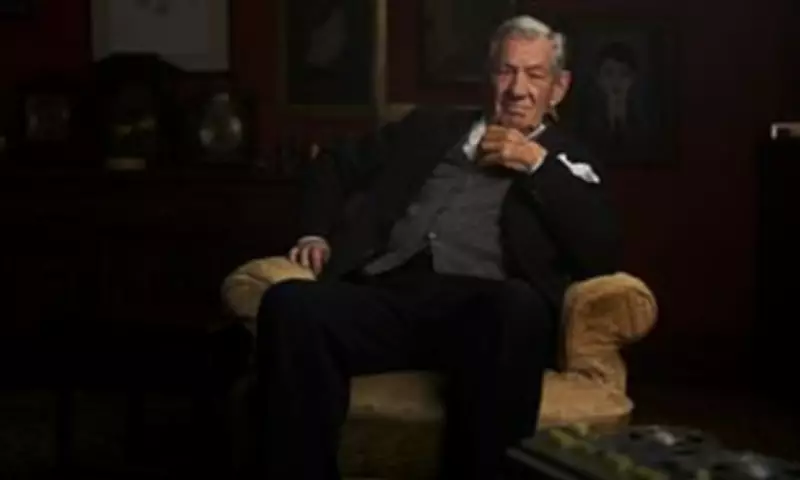
The tension between yesterday and today made these rediscovered tapes particularly fascinating. Sir Ian McKellen brought them to life by speaking Lowry's lines in perfect synchronisation with the original audio. McKellen's impeccable timing captured every growl, cough, tut, and yawn with magnificent precision.
The Interviewer's Role
Annabel Smith portrayed Angela Barratt, the researcher who conducted more than a dozen interviews with Lowry during the 1970s. She accumulated a boxful of tapes that lay forgotten for decades before their remarkable rediscovery. Angela was softly spoken and deferential, her questions rarely extending beyond half a sentence. Yet she proved an instinctive interviewer, allowing her subject ample time to speak while gently challenging him when he attempted evasion.
"I never thought for a second of getting married," Lowry claimed during one session. "Very blameless past." When Angela pressed him further, he declared, "I've never been in love. I might have married a girl but she died in an epidemic." This statement sounds suspiciously like the deflection of a confirmed bachelor.
Hidden Truths and Personal Pain
Lowry successfully concealed that he worked as a rent collector for over forty years, rather than being a professional artist throughout his life. What he could not disguise was the profound pain caused by his parents' lack of affection and their contempt for his artistic pursuits. When visitors came to the family home, his mother would deliberately turn his paintings to face the wall.
Documentary Shortcomings
Unfortunately, numerous contributions from talking heads like radio DJ Stuart Maconie disrupted the documentary's flow. Many viewers wished they could have heard substantially more from Lowry himself. Critical questions remain unanswered: Did Angela ever ask why he declined a knighthood? What would we have called him—Sir LS or Sir Les? These mysteries persist, adding to the enigmatic legacy of Britain's most celebrated painter of industrial life.