Italy is embarking on a groundbreaking initiative to ensure its world-renowned artistic and cultural treasures become fully accessible to individuals with blindness or low vision. This creative movement is reshaping how art is experienced, moving beyond visual appreciation to engage all the senses.
A Night at the Colosseum: Feeling History
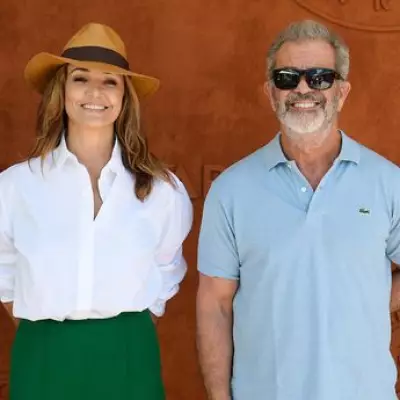
On a recent evening, long after the daytime crowds had dispersed, a small group gathered outside Rome's darkened Colosseum. Among them was Michela Marcato, 54, who has been blind since birth. With her partially sighted partner, she participated in a specialised tour, part of Italy's renewed drive to make its heritage accessible.
As the guide spoke, Marcato traced her fingers over a detailed souvenir model of the ancient amphitheatre. "Walking around it, I personally would never have realised it. I would never have understood it," she said, referring to the building's elliptical shape. "But with that little model in your hand, it's obvious!" This tactile encounter provided a comprehension that the physical scale of the site could not.

Catalysing Change: EU Funds and a New Mandate
Historically, Italy's art-filled cities have not always been welcoming to visitors with disabilities, with common issues including narrow doorways and a lack of ramps. A significant shift began in 2021. As a condition for receiving European Union pandemic recovery funds, Italy accelerated its accessibility programmes, dedicating substantial resources to removing architectural barriers at tourist sites and sporting venues.
This commitment is manifesting across the country:
- Pompeii: The ancient archaeological site has installed a new system featuring braille signs, QR-coded audio guides, and tactile models of excavated artifacts.
- Florence: The city has produced detailed accessibility guides for the Uffizi Gallery and other museums, outlining routes and requirements for sites like the historic Boboli Gardens.
This push for inclusive tourism is not only a matter of human rights but also makes sound economic sense. According to the World Tourism Organization, nearly half of the global population over 60 has a disability, and disabled travellers often bring two or more companions.
Reimagining the Guided Tour
Giorgio Guardi, a guide with the Radici Association which has led Rome tours for people with disabilities since 2015, explains that the goal is to create an enjoyable experience for everyone, including companions. This often means slowing down, touching permissible surfaces, and engaging different senses.
The association frequently organises walking tours at night to avoid crowds and reduce ambient noise. When touching an artwork is impossible, guides employ creativity. At Rome's Campo dei Fiori piazza, the statue of philosopher Giordano Bruno is too high on its pedestal to reach. On a tour, Guardi encouraged a client to assume Bruno's hunched pose, wearing a heavy hooded cape. Others in the group, which included deaf visitors aided by a sign-language interpreter, then touched the 'impersonator' to feel the sculpture's contours and sense its emotional weight.
The Museo Omero: A Temple of Touch
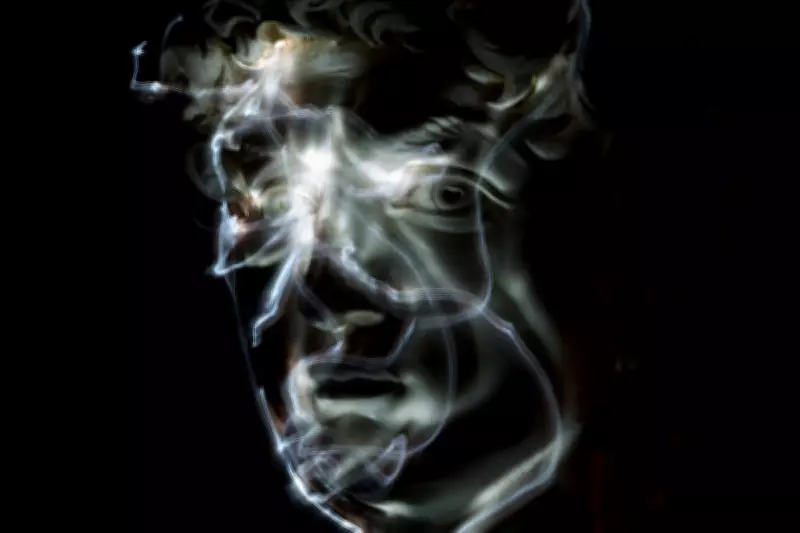
The frustration of being barred from touching art in museums worldwide led Aldo and Daniela Grassini, both blind, to found Italy's only publicly funded tactile museum. The Museo Omero, named for the blind poet Homer, is located in Ancona and features life-sized replicas of masterpieces from ancient statues to Michelangelo's David, all meant to be handled.
"Touching something isn't like looking at it," said Aldo Grassini. "Sight is an overbearing sense that tends to monopolise reality, whereas touch offers a different dimension." He poetically added, "We love with our eyes and with our hands... we need to caress it, because caressing gives you a different emotion."
The museum also displays work by blind artists like Felice Tagliaferri. In his studio, he points to a marble bust of his late friend Angela, sculpted from the memory of caressing her head during her illness. "When she passed away, Angela remained in my hands," he recalled.

Art in the Home: A Sensory Memory
Back in Rome, Michela Marcato and her partner Massimiliano Naccarato's living room is dominated by a large painting of the sea. Naccarato, who has partial sight, uses special lights to see it. Marcato cannot see it at all, but her appreciation is profound and sensory.
For her, the painting evokes the sea's noise, its myriad sounds, the smell of the air, and the feeling of walks along the shore in any season. It represents a complete, non-visual way of connecting with art—a philosophy now being embraced by Italy's cultural institutions to ensure everyone can share in the nation's artistic soul.