Denmark Explores Formal Recognition of Gastronomy as Art Form
Denmark is poised to investigate whether gastronomy can be officially recognized as an art form, placing the country's most theatrical restaurants at the center of a significant cultural debate. The discussion focuses on whether elite culinary experiences should be elevated to the same status as traditional arts like painting and sculpture.
The Immersive Dining Experience
Imagine consuming "edible plastic" crafted from algae and fish skin collagen while projections of ocean plastic pollution float across a restaurant's domed ceiling. This is not science fiction but reality at Copenhagen's Alchemist restaurant, where chef Rasmus Munk creates what he describes as "immersive dining experiences" rather than mere meals.
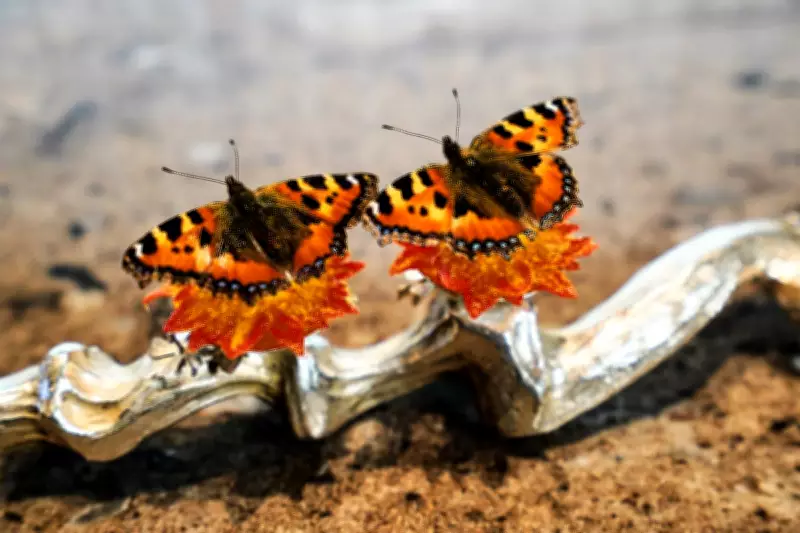
Opened in 2019 in a former industrial harbor area of Copenhagen, Alchemist earned the title of world's fifth-best restaurant in 2025 and holds two Michelin stars. Guests experience approximately fifty "impressions," most edible, during a multi-hour dining journey that includes dishes like a large eyeball creation featuring caviar and codfish eye gel, and nettle butterflies served on cheese and artichoke leaves.

"We convey messages through our food; our food is our medium of expressing ourselves," explained Munk, whose culinary creations explore themes ranging from state surveillance to animal welfare.
The New Nordic Movement and Artistic Ambitions
Once primarily associated with bacon, herring, and rye bread, Danish cuisine has undergone a remarkable transformation since 2003 when René Redzepi's groundbreaking restaurant Noma introduced the "New Nordic" philosophy. This movement championed foraging, fermenting, and celebrating Scandinavia's seasonal ingredients, fundamentally reshaping the country's culinary landscape.
Building on this success, Denmark's Michelin-starred establishments are now pushing for gastronomy to be formally recognized as art. Culture Minister Jakob Engel-Schmidt announced in January that Denmark would explore this possibility, potentially becoming the first nation to legally place high-level cooking on a similar pedestal to painting.
The proposal remains in its exploratory phase and would ultimately require approval from Denmark's 179-seat parliament to reclassify gastronomy from craft to art. Recognition could make chefs eligible for state subsidies and private foundation funding similar to what writers and musicians receive.
Industry Perspectives on Culinary Artistry
Chef Rasmus Munk, who spent nearly a decade refining what he calls his "artistic practices," has been instrumental in advocating for this change. "I don't think all food is art... I think the craftsmanship needs to be on the highest level," he noted, acknowledging that the political decision about what constitutes art currently creates "a closed society for chefs."
Nicolai Nørregaard, head chef and creative director of Copenhagen's two-Michelin-starred Kadeau restaurant, approaches his work with an artistic mindset. "I approach it like I would approach making a piece of art, like an artwork or a piece of writing," said Nørregaard, whose recipes celebrate seasonal flavors from the Danish island of Bornholm. "To acknowledge that this can also be looked upon as art... that's what's important for me."
Opposition and Skepticism
Not everyone within Denmark's culinary and artistic communities supports the initiative. Nick Curtin, American executive chef and owner of Copenhagen's Michelin-starred Alouette restaurant, argues that art and gastronomy serve fundamentally different purposes.
"Art's sole purpose is expression. It's to evoke emotion. Food must be consumed," Curtin explained. "(Art) can evoke disgust or disappointment or pain or sorrow or joy or longing. Food actually can't express all of those things. It can, but it shouldn't."
Some traditional artists have expressed concern about increased competition for funding if chefs gain access to arts subsidies. Holger Dahl, architecture and art critic at Denmark's 277-year-old Berlingske newspaper, offered a more direct critique: "I think it's quite silly, there's no use, it doesn't make any sense."

Dahl elaborated with an analogy: "It's a little bit like a bicycle and a car—they have round wheels, they'll take you from one point to another point, but it's not like a very good bicycle all of a sudden turns into a car. It doesn't happen."
International Context and Cultural Precedents
While other nations with renowned food cultures like France and Japan haven't pursued similar recognition, UNESCO granted Italian cooking cultural heritage status last year. Denmark has previously expanded its definition of art and culture, awarding lifetime national arts honors to heavy metal musician King Diamond and presenting the prestigious Sonning Prize to French gastronomic artist and chemist Hervé This.
The Nordic nation of six million people has emerged as a premier dining destination, boasting thirty-seven Michelin-starred restaurants. The potential reclassification of gastronomy represents a significant cultural milestone that could reshape how society values culinary excellence.
The outcome of Denmark's March 24 general election may influence the culture ministry's plans, adding political dimension to this artistic debate. Regardless of the eventual decision, the conversation itself highlights how far Danish cuisine has evolved from its traditional roots to become a medium for artistic expression and cultural commentary.