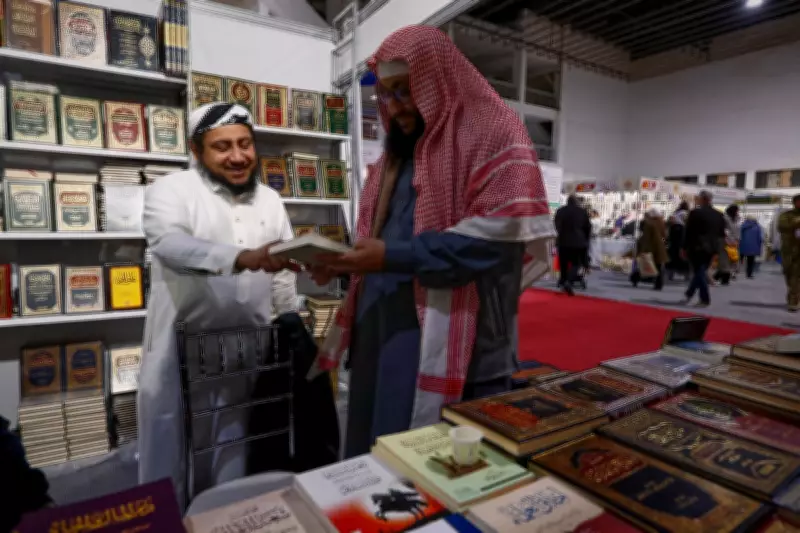
Damascus Book Fair Draws Crowds Amid Eased Censorship in Post-Assad Syria
Damascus is hosting its first international book fair since the fall of Bashar Assad, with publishers noting that censorship has almost entirely disappeared, signalling a dramatic shift in Syria's cultural landscape. The event, which concluded on Monday, 16 February 2026, has attracted unprecedented attendance and participation from around the globe.
A New Era of Publishing Freedom
Abdul-Razzaq Ahmad Saryoul, who began publishing books in Syria in 2003, had previously avoided the annual International Damascus Book Fair due to stringent security measures and bans on many titles under Assad's rule. In this first post-Assad fair, he was astonished to receive a permit on the same day he applied, without any inquiries into his book content. Saryoul described the wide range of available titles as "unprecedented," highlighting the newfound openness.
Another publisher, Salah Sorakji, expressed pride in offering Kurdish books in the Syrian capital for the first time in decades. During the Assad era, ethnic Kurds faced severe discrimination, including prohibitions on their language. The fair's director, Ahmad Naasan, reported that approximately 500 publishing companies from 35 countries participated, with state media noting a high turnout of 250,000 visitors on the opening day, 6 February. The fairgrounds, located about 10 miles from the city centre, saw crowds trekking out to explore the diverse offerings.

Debates Over Religious Texts and Sectarian Tensions
While the enhanced freedom of expression has been widely celebrated, the introduction of previously forbidden books by Islamist writers has sparked anxiety among religious minorities. In Syria, a majority Sunni Muslim country, religious books have traditionally been bestsellers at such fairs. This year, however, works by the Islamic scholar Ibn Taymiyya, whose teachings are followed by Sunni jihadi groups, were sold openly after being banned for decades.
The circulation of books promoting extreme ideologies has raised alarms in a nation still grappling with sectarian violence. Over the past year, sectarian attacks by pro-government Sunni fighters have resulted in hundreds of deaths among Alawites and Druze communities. Assad, an Alawite, had officially promoted a secular ideology, with his regime launching brutal crackdowns on Islamist groups like the Muslim Brotherhood during its five-decade rule.
The only book banned this year was "Have You Heard the Talk of the Rafida?", which included audio addresses by Abu Musab al-Zarqawi, the former leader of al-Qaida in Iraq. Iraq reportedly requested its removal due to incitement of hatred against Shiite Muslims. At the fair, a man using the nom de guerre Abu Obeida, dressed in military uniform, purchased Ibn Taymiyyah's "Al-Aqida Alwasitiyeh," noting that before "liberation," such books were banned and could lead to imprisonment. He expressed gratitude for the newfound accessibility, contrasting it with past state-controlled reading materials.
Cultural Revival and Kurdish Rights
The Damascus book fair, first held in 1985, had been suspended for several years following the onset of Syria's civil war in March 2011. Its return marks a significant cultural milestone. Hala Bishbishi, director of the Egypt-based Al-Hala publishing house, was impressed by the turnout, though she noted it cannot yet rival fairs in oil-rich Gulf countries. She praised the event as "excellent" given Syria's recent circumstances, with shuttle buses from central Damascus boosting visitor numbers.
Atef Namous, a Syrian publisher living abroad for 45 years, participated for the first time, citing the ability to sell any book, including imports from Western countries. This exhibition follows recent clashes between government forces and Kurdish fighters in the northeast, with a ceasefire deal now in place. The Damascus government has sought to reassure Kurds of their equal status, with interim President Ahamd al-Sharaa issuing a decree last month granting Kurds rights unseen in decades. These include restored citizenship, official language status for Kurdish, and recognition of the Newroz holiday.

Sorakji, the Kurdish publisher, welcomed these steps, stating that Kurds had been deprived of practicing their culture for over 60 years. At his stand, selling history, literature, and philosophy books, he noted that while most buyers were Kurds, Arabs also showed interest in learning about their compatriots. He attributed past differences to the Assad regime, emphasising a shared Syrian identity.
Mayada Kayali, another publishing company owner, stressed the importance of offering knowledge to younger generations emerging from war and oppression, advocating for unrestricted access to ideas and opinions. This fair symbolises a hopeful turn towards cultural renewal and freedom in post-Assad Syria.