The British Museum has triumphantly concluded a four-month fundraising campaign, securing the £3.5 million required to save a historically significant gold pendant connected to King Henry VIII and his first wife, Katherine of Aragon. This remarkable achievement ensures the artefact, known as the Tudor Heart, will remain in the public domain for future generations to appreciate.
A Public and Philanthropic Effort
Launched in October, the museum's appeal galvanised widespread support, amassing over £360,000 in donations from the general public. More than 45,000 individuals contributed to the cause, demonstrating a profound public interest in preserving this unique piece of Tudor history. This grassroots effort was bolstered by substantial grants from major arts and heritage organisations.
Key Donors and Contributions
The campaign's success was underpinned by several significant donations:

- The National Heritage Memorial Fund provided the largest single contribution of £1.75 million, a grant specifically aimed at rescuing the UK's most at-risk heritage treasures.
- The Julia Rausing Trust kickstarted the effort with an early donation of £500,000.
- Art Fund, a leading charity, donated £400,000 to support the acquisition.
- The American Friends of the British Museum contributed £300,000, highlighting international interest in the artefact.
Historical Significance of the Tudor Heart
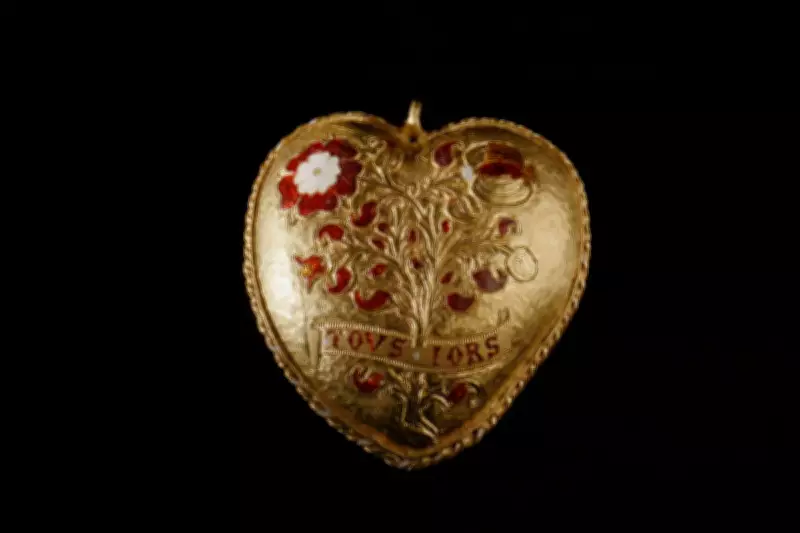
Discovered by a metal detectorist in a Warwickshire field in 2019, the 24-carat gold pendant is an exceptionally rare artefact from the marriage of Henry VIII and Katherine of Aragon. Research by the British Museum suggests it may have been crafted for a tournament in October 1518, celebrating the betrothal of their daughter, Princess Mary, to the French heir apparent.
The pendant beautifully unites the Tudor rose with Katherine's symbolic pomegranate, featuring a banner inscribed with the Old French word "tousiors," meaning "always." Henry VIII was known to commission such elaborate costume jewellery from London goldsmiths for grand celebrations, worn briefly by courtiers to project an image of immense splendour.
Securing the Artefact for the Nation
Reported under the Treasure Act 1996, the pendant's discovery triggered a statutory process allowing museums the opportunity to acquire such finds. The successful fundraising means the British Museum can now formally add the Tudor Heart to its collection later this year, preventing it from being lost to private ownership.
Leadership and Future Plans
Nicholas Cullinan, Director of the British Museum, expressed profound gratitude to all supporters. "The success of the campaign shows the power of history to spark the imagination and why objects like the Tudor Heart should be in a museum," he stated. "This beautiful survivor tells us about a piece of English history few of us knew, but in which we can all now share." He also revealed plans for the pendant to tour the UK in the future, broadening public access.
Simon Thurley, Chairman of the National Heritage Memorial Fund, emphasised the pendant's value: "The Tudor Heart is an extraordinary insight into the culture of Henry VIII's court... The Memorial Fund exists to save the UK's most outstanding heritage and make it publicly accessible."
Jenny Waldman, Director of Art Fund, noted the collective achievement: "This remarkable object, so rich in history and meaning, can now inspire wonder for generations to come thanks to the collective efforts of so many who believe in the importance of keeping our shared heritage accessible to all."
Currently on display in Gallery Two of the British Museum, the Tudor Heart will remain viewable to visitors. Its preservation marks a significant victory for cultural heritage, ensuring a tangible link to a pivotal era in British history remains available for public education and enjoyment.