British Museum Triumphs in £3.5 Million Campaign for Historic Tudor Pendant
The British Museum has successfully concluded a major fundraising campaign, securing £3.5 million to acquire an exceptionally rare Tudor gold pendant directly linked to the marriage of King Henry VIII and his first wife, Katherine of Aragon. This significant cultural artefact will now be preserved for public display, thanks to overwhelming support from both institutions and the general public.
Discovery and Historical Significance
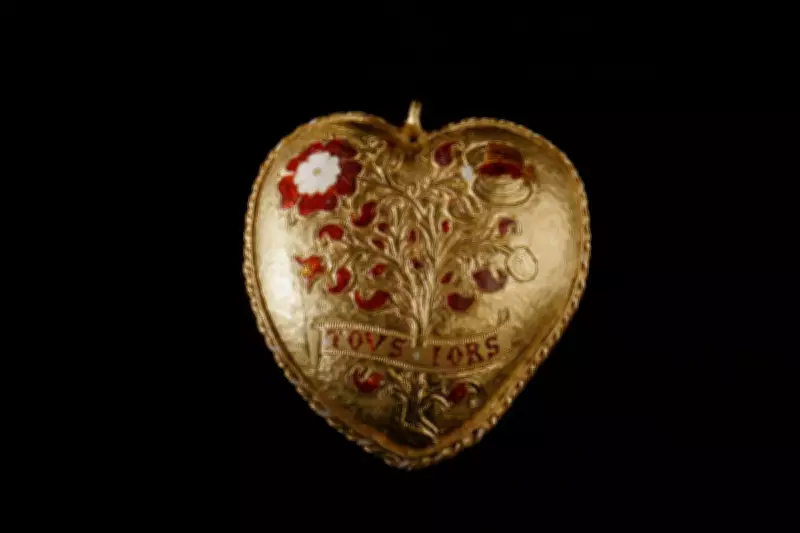
The artefact, known as the Tudor Heart Pendant, was discovered by a metal detectorist in a field in Warwickshire, within the Midlands region. Crafted from 24-carat gold, this pendant represents the only known piece of jewellery from the period that is definitively connected to Henry VIII's 24-year marriage to Katherine of Aragon. The marriage itself was the longest of Henry's six unions, profoundly shaping the early Tudor court.
The pendant features intricate iconography, including the Tudor rose and Katherine's personal symbol, the pomegranate. A banner inscribed with the Old French word "tousiors", meaning "always", underscores the theme of enduring devotion. British Museum research suggests the piece may have been created for a 1518 tournament celebrating the betrothal of their two-year-old daughter, Princess Mary, to the French heir apparent. Henry VIII was known to commission jewellery from London goldsmiths for such major state occasions and celebrations.

Fundraising Success and Public Support
The museum launched the acquisition campaign in October of last year, with an initial deadline of April to raise the necessary funds. The effort garnered remarkable support, demonstrating widespread public interest in preserving national heritage.
- The National Heritage Memorial Fund awarded a substantial grant of £1.75 million to the cause.
- More than 45,000 members of the public contributed donations totalling £360,000.
- The campaign also received backing from prominent figures, including actor Damian Lewis.
Dr Nicholas Cullinan, Director of the British Museum, expressed profound gratitude: "I want to say a heartfelt thank you to everyone who supported our campaign and to the National Heritage Memorial Fund for so generously awarding £1.75 million. The success of the campaign shows the power of history to spark the imagination and why objects like the Tudor Heart should be in a museum."
Future Plans and Curatorial Insights
With the funds secured, the British Museum plans to integrate the pendant into its public collection. Dr Cullinan indicated that future plans include a UK-wide touring exhibition, allowing people across the country to engage with this unique piece of history. "This beautiful survivor tells us about a piece of English history few of us knew, but in which we can all now share. I am looking forward to saying more soon on our plans for it to tour the UK in the future," he stated.
Dr Rachel King, a curator at the museum, highlighted the artefact's rarity and mystery: "It has been a tremendous privilege to share the story of the Tudor Heart and its finding with the world. I have been enormously touched by the positive response to the Museum's campaign. Thanks to the spectacular generosity of many, people will have the opportunity to enjoy the object forever and, I hope, unravel the mysteries of who wore it and why and how it came to be buried."
The pendant's survival is particularly notable as almost no other items from the marriage of Henry VIII and Katherine of Aragon are known to exist today. Its acquisition ensures that this tangible link to a pivotal royal union and Tudor court life will be available for study and appreciation by future generations.