This week, contemporary art's worst-kept secret was exposed when street artist Banksy was identified as 52-year-old Robin Gunningham, following an 8,000-word investigation by Reuters. The Mail on Sunday had already published the name nearly two decades earlier, yet the latest revelation still made headlines. Days before, thousands of readers mourned the reported death of Italian novelist Elena Ferrante, announced on X by her supposed translator Ann Goldstein. The account was actually the work of infamous Italian hoaxer Tommaso Debenedetti, who had attempted the same trick in 2022.
Banksy and Ferrante share the paradoxical distinction of being the most famous anonymous artists today. A decade ago, Ferrante was the subject of a similar exposé when an Italian journalist analysed her finances and concluded she must be an Italian translator. Other theories have suggested she is a man or even a collective. Such investigations, however, reveal more about our obsession with fame and authorship than about the artists themselves. Banksy's lawyer argued that the unmasking 'violate[s] the artist's privacy, interfere[s] with his art and put[s] him in danger'. Ferrante has said that giving up her anonymity would be 'very painful'.
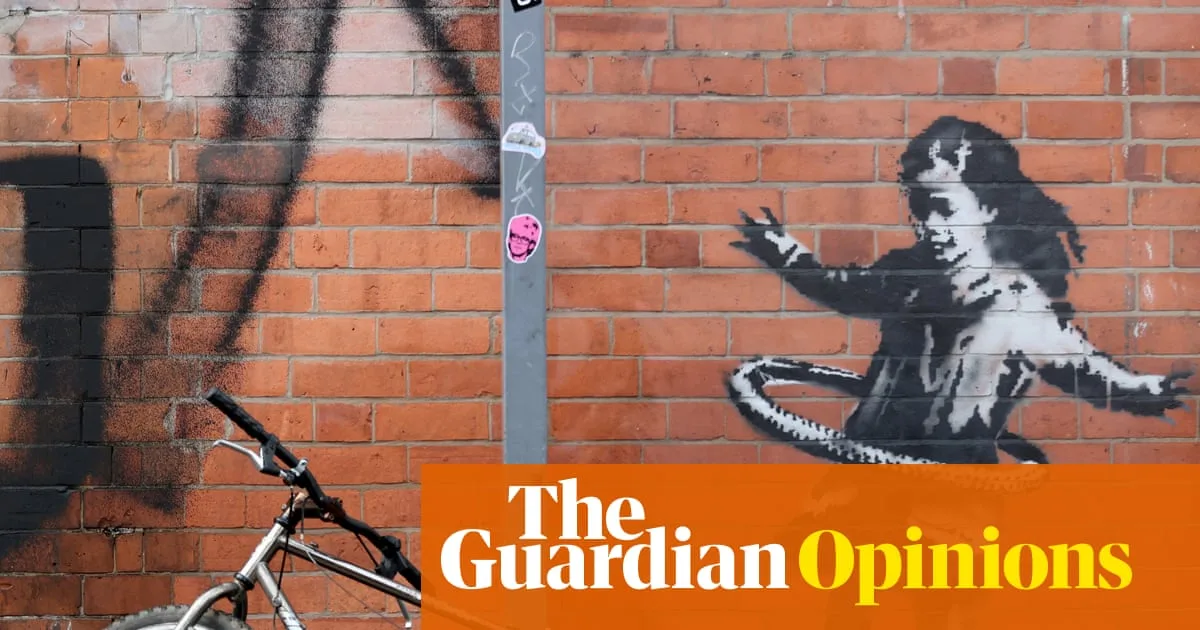
For Banksy, secrecy was a practical necessity because street art is illegal, but the enigmatic cover has allowed him to mock the art establishment and become a national treasure. In 2017, his work Girl With Balloon was voted Britain's favourite artwork. He has also left his mark on the global stage, from Palestine in 2005 to Ukraine in 2022. For Ferrante, anonymity is an artistic choice, liberating her from 'the anxiety of notoriety' and the publicity demands of modern publishing. This tradition is hardly new: Jane Austen, the Brontës, George Eliot and George Sand all published anonymously or under male pseudonyms because writing was considered unladylike.
True fans of Banksy or Ferrante do not care about their real identities; they collude in the mystery. As the feminist collective Guerrilla Girls have shown, anonymity can be a powerful tool. Banksy has said: 'If you want to say something and have people listen then you have to wear a mask.' His mask is his art. In a culture of exposure and celebrity, an artist's decision to remain anonymous should be respected, and the work allowed to speak for itself.