Hever Castle Unveils Largest Anne Boleyn Portrait Collection
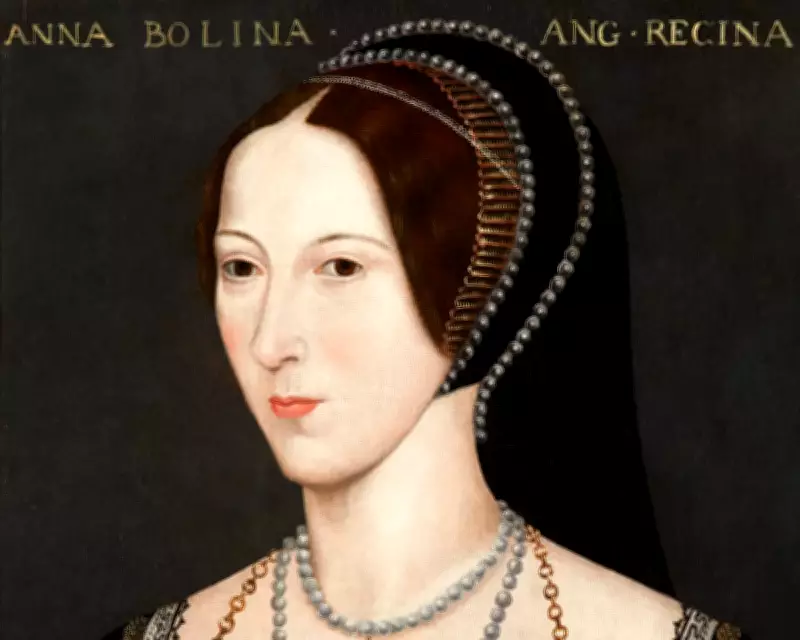
Hever Castle in Kent is currently hosting a groundbreaking exhibition titled Capturing a Queen: The Image of Anne Boleyn, which assembles the most extensive group of portraits ever attributed to Henry VIII's second wife. This display coincides with the quincentennial anniversary of the king's courtship of Anne, who was executed a decade later in 1536, and aims to explore the elusive true likeness of the Tudor queen.
Art Historical Research and New Discoveries
Curators Owen Emmerson and Kate McCaffrey have spearheaded the exhibition, leveraging recent technical analysis of Hever Castle's own 'Rose' portrait from 1583, now identified as the earliest known variant depicting Anne holding a rose. The show challenges long-held beliefs, such as the notion that Henry VIII systematically erased all imagery of Boleyn after her death, suggesting instead that her iconography persisted through subsequent centuries.
The collection includes portraits from the 16th to 18th centuries, all displayed in a low-ceilinged space within the castle's winding architecture. Notable pieces on loan include a portrait from the Countess of Rosse collection, which closely resembles the famous National Portrait Gallery depiction, and the Lyndhurst Mansion portrait, making its UK debut. Emmerson has also contributed personal items, such as a 19th-century replica of a clock gifted by Henry to Anne and a painting titled The Arrest of Anne Boleyn from around 1870.

Debating the True Likeness of Anne Boleyn
The central question of the exhibition—what did Anne Boleyn actually look like?—proves complex. Tudor portraiture often prioritized conveying piety, power, and prestige over accurate facial representation, a trend exemplified by Elizabeth I's mask-like depictions. The assembled portraits, all in three-quarter profile with similar scales, resemble fun-house mirrors, using Anne's rough likeness as a template with varying degrees of accuracy.
A highlight is a facsimile of a sketch by Hans Holbein the Younger from around 1534, which new research argues is the most complete contemporary likeness of Anne. Unlike the cookie-cutter portraits, Holbein's work imbues human warmth and verisimilitude, showing Anne in profile with distinct physiognomy. However, the exhibition's labeling and organization have drawn criticism for being chaotic, with unclear explanations of groupings like the Bradford, Pearl, and Rose categories, making it challenging for casual viewers to follow.
Public Vote and Exhibition Logistics
Visitors are invited to vote via a screen on which group best represents Anne Boleyn, sidestepping the impossible task of determining true likeness. This interactive element has sparked debate among historians and art enthusiasts, questioning the necessity of such a public poll in an academic setting. The exhibition also features a photograph of the Chequers Ring, showing Elizabeth I with her mother Anne, as the original remains at the prime minister's retreat, highlighting issues of artifact availability.
Capturing a Queen: The Image of Anne Boleyn runs at Hever Castle until 2 January 2027, offering a unique blend of art historical insight and public engagement, though it leaves the definitive image of Anne Boleyn as enigmatic as ever.