Harvard University has officially handed over a collection of extremely rare 1850 photographs depicting enslaved people to the International African American Museum in Charleston, South Carolina. This significant transfer concludes a protracted seven-year legal dispute and marks a profound homecoming for the historic images.
A Long-Awaited Homecoming
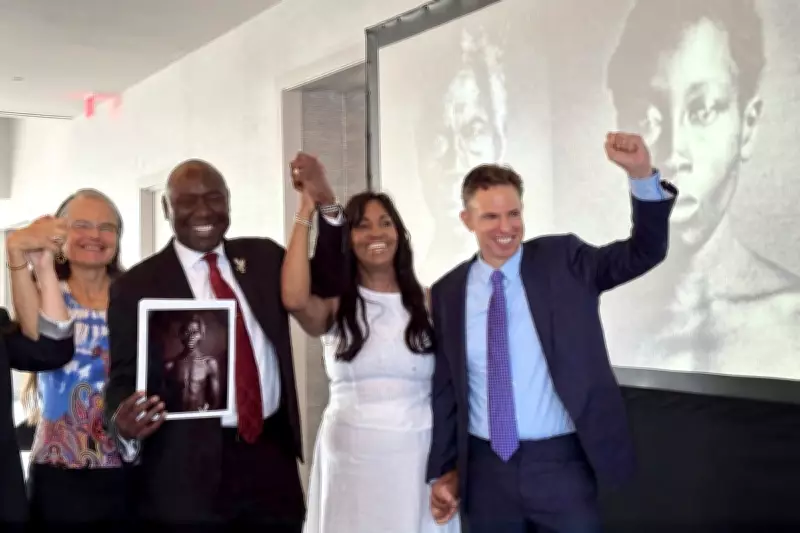
Descendants of a father and daughter featured in what are widely believed to be the first photographs ever taken of enslaved individuals have expressed profound relief and happiness that their ancestors' images are finally returning to South Carolina. The museum publicly announced the transfer on Wednesday, highlighting the conclusion of the lengthy legal proceedings.
The Daguerreotypes and Their Troubling Origins
The collection consists of 1850 daguerreotypes, which are direct photographic precursors to modern images. The subjects include an enslaved man named Renty, his daughter Delia, and five other individuals identified as Jack, Drana, Alfred, Fassena, and Jem. The photographs were taken from multiple angles, with the subjects portrayed shirtless.

These images were originally commissioned by a Harvard University biologist for the purpose of conducting racist research. This research was subsequently utilized by slavery supporters in the years leading up to the American Civil War, adding a deeply troubling layer to their historical context.
Museum's Plans for Preservation and Exhibition
The International African American Museum has outlined detailed plans to meticulously preserve the fragile daguerreotypes. The institution intends to display high-quality photographic reproductions made from the originals. These will serve as the central anchor for a major exhibition dedicated to detailing the lives and stories of these seven enslaved individuals from South Carolina.
The Legal Battle and Familial Claims
The legal conflict was initiated by Tamara Lanier, who asserts that the man she affectionately calls "Papa Renty" was her great-great-great-grandfather. Lanier, through her attorney Joshua Koskoff, advocated for the photographs to be housed at the South Carolina museum. This location is significant as it is both the state where Renty was enslaved and where the photographs were originally taken.
"It's almost spiritual they are coming home. They can breathe at the museum," Koskoff stated, emphasizing the emotional and cultural significance of the repatriation.
The lawsuit between Lanier and Harvard progressed through various courts in Massachusetts before the parties ultimately reached a settlement agreement in 2025. Harvard maintained that it had always been willing to place the pictures in a suitable museum but contested the lawsuit on the grounds that it could not independently verify Lanier's claimed familial relationship to the individuals depicted.
Allegations of Exploitation
Lanier's legal team further alleged that Harvard University had profited from the photographs by licensing the images for use. Attorney Koskoff framed the issue starkly, stating, "Slavery robbed Renty and Delia of their humanity. But it was Harvard who robbed them of their story." This claim underscores the ongoing debate about institutional responsibility and the ethical stewardship of culturally sensitive historical artifacts.
Significance of the Museum's Location
The International African American Museum occupies a site of immense historical weight. It was recently constructed at Gadsden’s Wharf in downtown Charleston. This location is historically recognized as the point where nearly half of all enslaved people forcibly brought to the United States first set foot in North America, making it a profoundly fitting final home for these powerful and painful images.