School Isolation Rooms: Parents Reveal Trauma of Public Humiliation in UK Classrooms
School Isolation Rooms: Parents Reveal Student Trauma

Parents across Britain are breaking their silence about the devastating emotional impact of school isolation policies, describing how their children are being publicly humiliated and psychologically scarred by punitive classroom practices.

The Hidden Crisis in British Schools

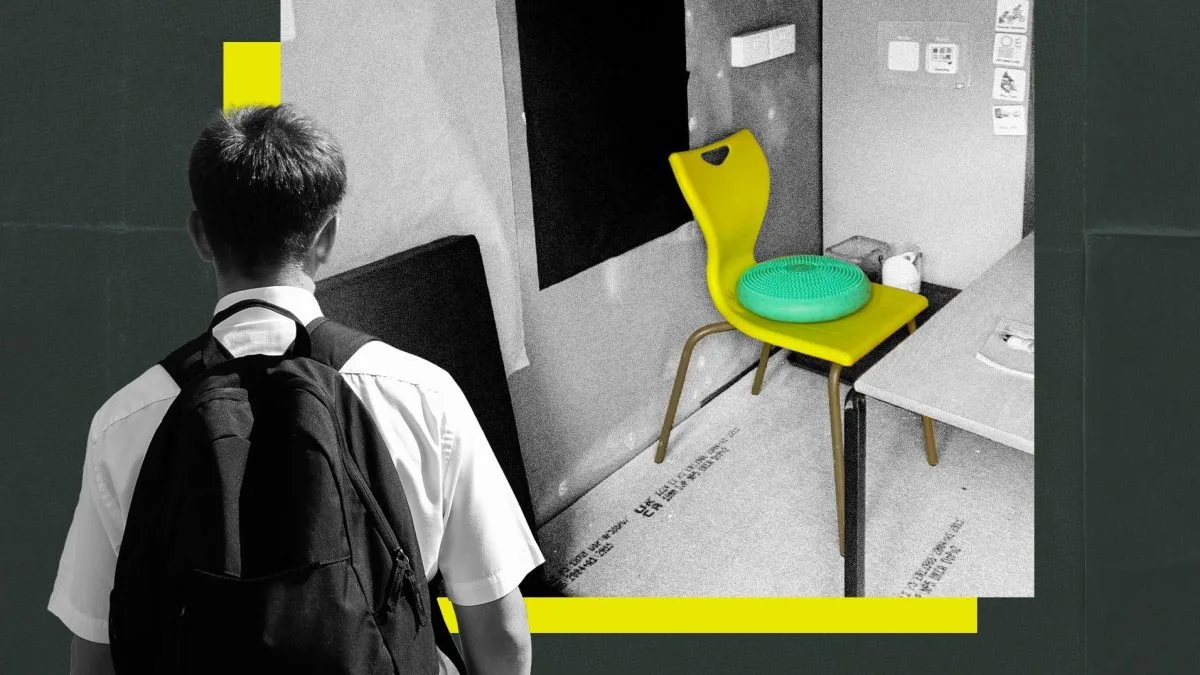
An alarming number of UK schools are employing isolation techniques that leave children as young as five confined for hours in separate rooms or facing public shaming in front of their peers. Parents report their children returning home traumatised, with some developing school phobia and severe anxiety disorders.

"They Treated My Child Like a Prisoner"

One mother from Manchester described how her eight-year-old son was placed in isolation for fidgeting during lessons. "He came home sobbing, saying he felt like he was in prison. The school called it 'reflection time' but there was no reflection - just punishment."

Another parent from Bristol shared how her daughter was publicly singled out for having untidy handwriting. "The teacher made her stand at the front while other children criticised her work. She's now terrified of making mistakes and has started bedwetting again."

The Psychological Toll on Young Minds

Educational psychologists warn that these practices can cause long-term damage to children's mental health and academic development. Isolation and public humiliation trigger the same stress responses as physical punishment, potentially affecting brain development and self-esteem.

  • Anxiety and depression: Children show signs of school-related trauma
  • Academic decline: Fear of punishment hinders learning
  • Social withdrawal: Damaged peer relationships and self-isolation
  • Physical symptoms: Sleep disturbances, appetite changes, and stress-related illnesses

When Discipline Crosses the Line

While schools maintain that behaviour management is essential for classroom order, many parents argue current practices have become excessively punitive. The line between reasonable discipline and psychological harm appears increasingly blurred in some institutions.

A Call for Reform and Transparency

Campaign groups are demanding greater oversight of school behaviour policies and clearer guidelines about appropriate disciplinary measures. Parents are urging the Department for Education to implement stricter safeguards protecting children from practices that could constitute emotional abuse.

As one father from London stated, "We trust schools with our children's wellbeing. When that trust is broken by practices that humiliate and isolate, we need accountability and change."

The growing chorus of concerned parents suggests this issue represents a silent crisis in British education, one that requires immediate attention from policymakers, educators, and mental health professionals alike.